
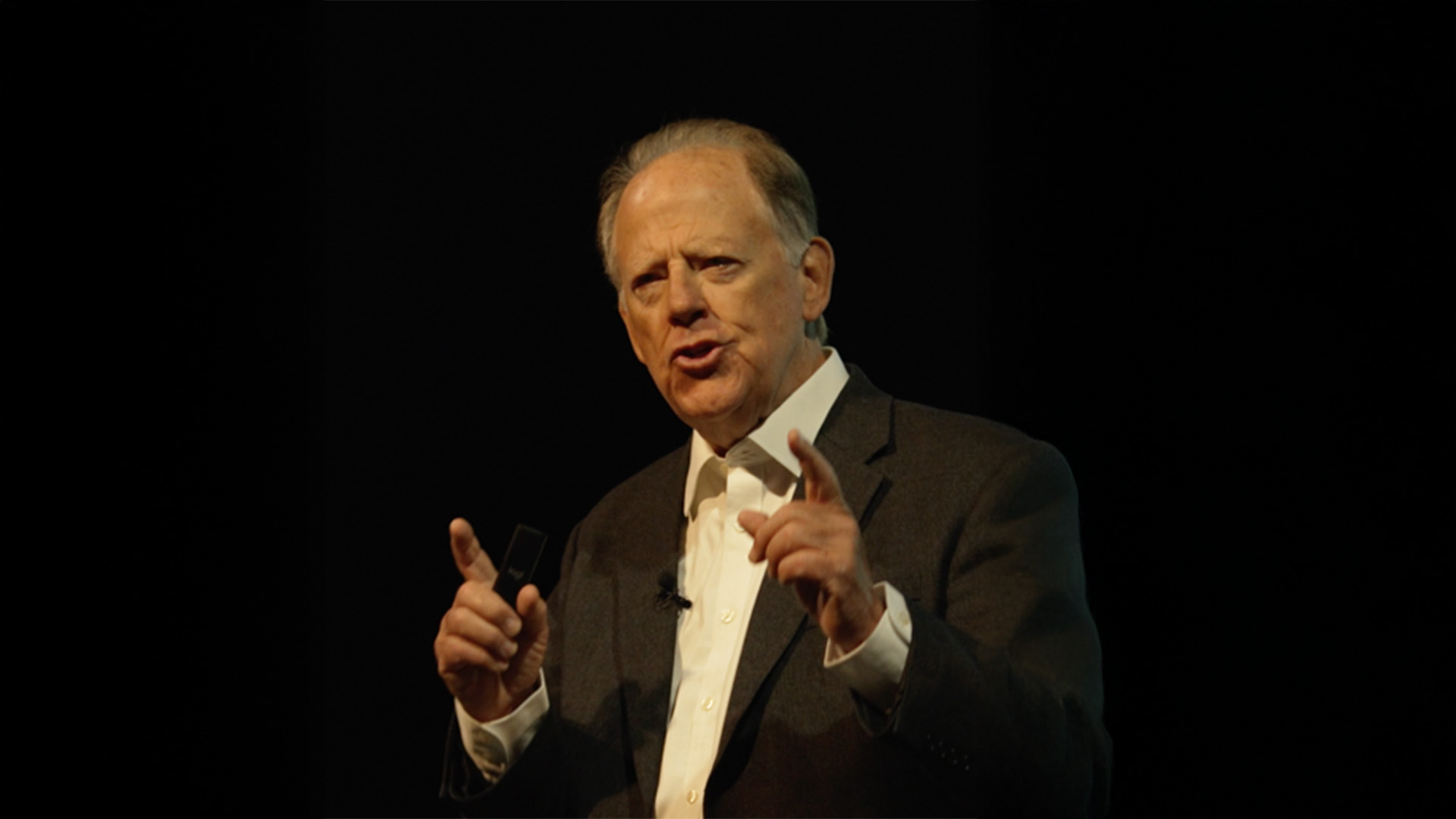
Business leaders often speak about success as the natural outcome of whatever they are doing. Rick Williams takes a different approach. He believes that success as a leader starts with the idea that “success is a choice.” Leadership begins with a deliberate decision about what success will look like – “What do you mean by success?”
Drawing on his experience as a company founder, board director, consultant, and keynote speaker, Williams challenges executives to rethink their assumptions about leadership success. His central message is that, before pursuing a new initiative, leaders must decide what success will look like.
“Are we comfortable and coasting, or are we a high‑expectation organization that is willing to take risks?” says Williams. When leaders responsible for shaping strategy, culture, and long‑term direction define a concept of success, that sets goals and expectations will determine how opportunities are evaluated, what choices are made, and ultimately whether an organization moves forward or slowly falls behind.
Define Success Before Chasing Success
For many organizations, the concept of success remains surprisingly vague. Leaders may assume they are pursuing growth or profitability, yet don’t pause to clearly spell out the outcome they want to achieve. “Before every important decision, be clear what will happen or where you will be when you are successful,” Williams says. One company may define success as maximizing cash flow. Another may prioritize market share, innovation, or a long‑term strategic exit. Each definition leads to different choices, tradeoffs, and risks. Without a clearly defined target, leaders often fall into the trap of managing momentum rather than deliberately shaping the future.
“You would think that leaders are trying to be successful all the time,” Williams says. “But that is often not true. They are managing momentum rather than driving for success.” Momentum can feel productive, but it can also obscure critical strategic questions. If leaders do not define success explicitly, they risk optimizing for current performance rather than long-term success.
When Momentum Becomes a Strategic Blind Spot
History offers powerful examples of companies that failed not because they lacked talent or resources, but because leaders misunderstood what success required. Williams points to the story of Polaroid, once the dominant force in instant photography. “They had the technology to be the first company to introduce digital photography,” Williams says. “But their leaders decided not to introduce digital cameras because they didn’t want to compete with their instant film business.” Polaroid went bankrupt when Sony and other competitors introduced digital photography and destroyed Polaroid’s instant film business.
Blockbuster’s failure to adapt to streaming technology and buy Netflix is another example of a successful company with a short-term concept of success that failed to take the initiatives required for long-term success. Leadership based on a flawed concept of success is a too-common mistake. Protecting current success can prevent organizations from pursuing the next version of success. The lesson is not simply about innovation, but about defining long‑term success as an expectation that will drive leaders to disrupt their own advantages in order to reach clearly expressed long-term goals.
Start With the Decision That Must Be Made
Success also emerges from deliberate choices made with clarity and purpose. “I’m surprised by how little thought leaders give to getting specific about what decisions they must make,” Williams says. One of the most overlooked leadership best practices is starting the discussion by identifying exactly which decisions need to be made and who should make them. When challenges arise, teams often launch into analysis, debate, or brainstorming without first asking what decisions they must make. Williams recommends a simple discipline: start every strategic discussion by identifying the decisions to be made. “Start by asking a simple question,” he says. “What specific decisions must we make?”
Once that question is clear, the rest of the conversation becomes focused. Leaders can identify the required information, the risks involved, and the available options. “Being clear what decisions you must make gives you power to drive the decision-making process in the right direction,” Williams says.
Judgment Still Defines Leadership
As artificial intelligence (AI) reshapes how organizations analyze information and generate ideas, many executives are asking whether leadership itself will fundamentally change. Williams believes the tools will evolve, but the essence of leadership remains the same. “AI can be a powerful tool to engage us with a more complete understanding of data, options, and history,” he says. “But AI is not a substitute for judgment, values, and a concept of success.”
Technology can support analysis and expand the range of possibilities. What it cannot do is determine which path an organization should choose. That responsibility still rests with leaders who must weigh competing priorities and define what success means for their team and the institution they lead.
The Decision to Become a Champion
Williams illustrates his philosophy with a story from legendary basketball coach Rick Pitino. Pitino observed that many talented athletes never became champions because they never made the conscious decision to be a champion. Williams quotes Pitino as saying, “These talented young players did not become champions until they chose to stop being talented young basketball players and started being champions.” Once that decision was made, everything changed. Players trained differently, approached competition differently, and measured themselves against a higher standard.
The same principle applies to organizations. Leaders who clearly define success reshape how their teams think, plan, and execute. For Williams, that is the real message behind his keynote talks and leadership work. Success is not simply the result of circumstances. It is the result of a deliberate choice about the future a leader intends to create.
Follow Rick Williams on LinkedIn or visit his website for more on his keynote speaking and his Create the Future with Rick Williams Podcast.