
In construction, risk rarely appears where companies expect it. Projects involve layers of contracts between owners, general contractors, subcontractors, developers, and suppliers. Each agreement shifts responsibility in subtle ways. Each policy contains limits, exclusions, and definitions that may only matter when something goes wrong. Organizations believe they are protected until a claim exposes the gap.
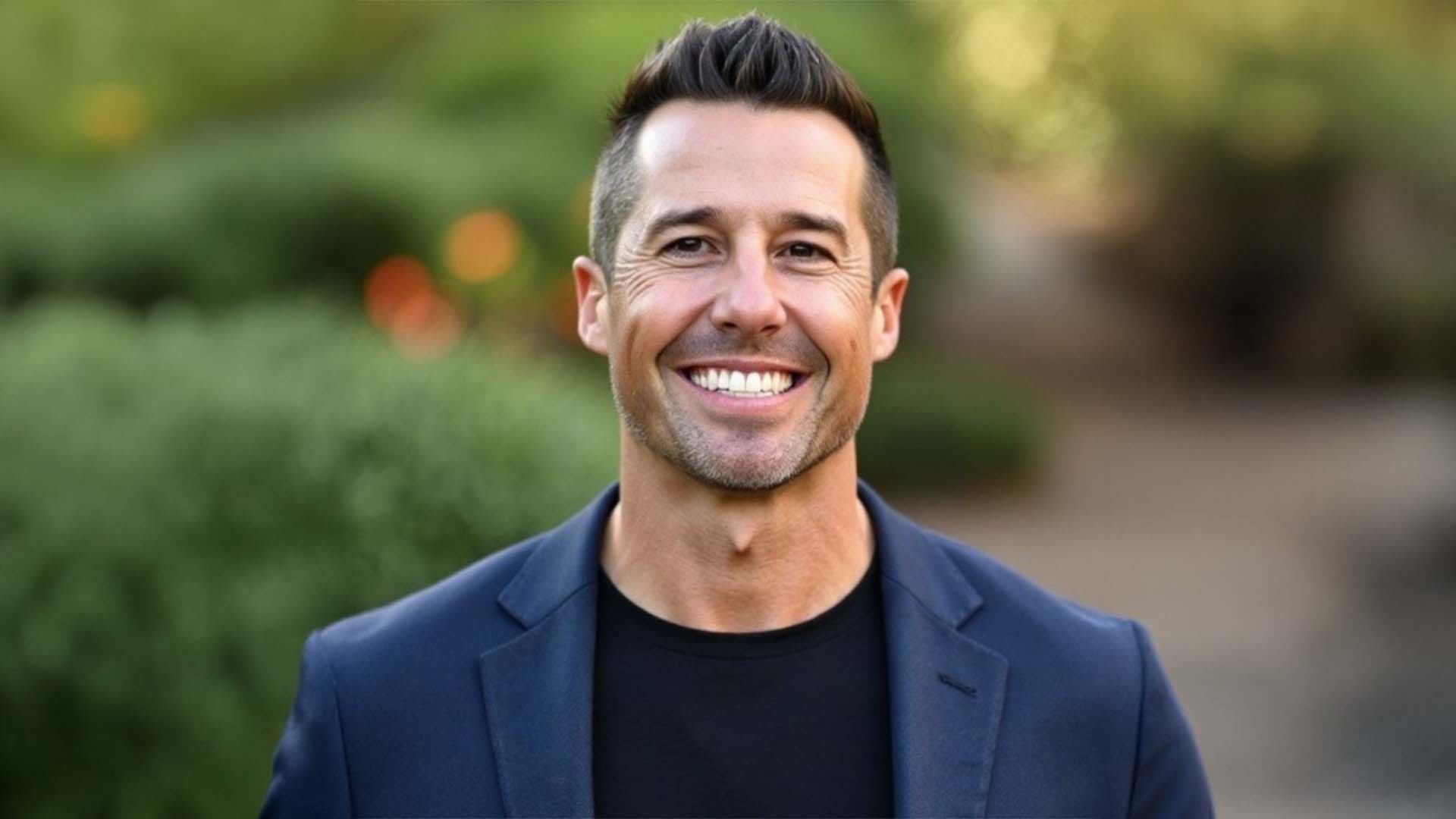
For Jason Gesser, helping companies uncover those gaps before they become liabilities is the core of his work. As a Risk Advisor at USI Insurance Services, Gesser works closely with construction executives to identify misaligned coverage, review contractual language, and build insurance programs that match the realities of modern projects. Across the industry, he has seen that the most dangerous risks are the ones companies assume are already covered.
The Gaps Companies Only Discover After a Claim
Insurance failures rarely begin with dramatic events. More often, they start with routine assumptions. A company assumes a property loss will fall under a policy limit. A contractor believes a subcontractor’s insurance will cover a claim. A finance team assumes a cyber fraud incident will be reimbursed. Then the claim arrives, and the policy responds differently than expected. “The reality is you usually don’t find out about coverage gaps until something happens,” Gesser explains. “It could be a property issue, a general liability claim, or even cyber fraud where a check is sent to a bad actor. That’s when people realize what actually is, or isn’t, covered.”
Construction projects amplify this problem because liability is constantly being pushed from one party to another through contracts. “Everyone is trying to push the liability downhill,” he says. “By the time something goes wrong, it’s not always clear who actually owns the risk.” That is why Gesser believes the most important work happens before any contract is signed. “The devil is always in the details,” he says. “You have to look closely at the contractual language, where the liability sits, the wavier of subrogation, and indemnification agreements.”
Why Contract Reviews are a Critical Line of Defense
One of the most effective ways to uncover hidden risk is through structured contract review. Gesser and his team regularly help clients examine project agreements before they are finalized, identifying clauses that shift unexpected liability onto contractors or expose them to limits their policies cannot support. Sometimes the solution is negotiating contract language. Other times, it involves adjusting coverage limits or adding specialized policies. But the key step is awareness. “If there’s a gap and the client understands it, they can decide whether they want to accept the risk, change the contract, or purchase additional coverage,” Gesser says.
Education plays a role as well. Many construction firms process large volumes of contracts each month, making it unrealistic to send every document to an external advisor. To address this, Gesser and his team often conduct training sessions for project managers, controllers, and contract reviewers, teaching them what language to watch for and when to escalate a contract for deeper analysis. The goal is to ensure risk decisions happen before a project begins, not after a loss.
Builders Risk and the Complexity of Multi-Stakeholder Projects
Policies such as builders’ risk often involve multiple stakeholders, including developers, general contractors, and subcontractors. In these environments, coverage terms must be carefully negotiated to ensure each party understands where responsibility lies. Unlike many other policies, builders’ risk coverage is highly customizable. “Everything in builders’ risk is negotiable,” Gesser says. “The terms, the extensions, the exclusions, it all depends on how the policy is structured.”
Because of that flexibility, the difference between the two policies can be substantial. Water infiltration, transit exposure, or equipment replacement limits may be covered in one program and excluded in another. Those distinctions matter most when a claim occurs.
A Changing Risk Landscape for Construction Leaders
Gesser believes construction companies must rethink how they approach risk management. Many organizations still treat insurance as an annual administrative task, something purchased each year and just another expense to the bottom line. That approach no longer works in a rapidly evolving risk environment. “Cyber attackers have gotten savvy with who they go after knowing certain industries don’t always have the same protections,” Gesser says. “They’re happy taking smaller hits more frequently.”
Supply chain disruptions and equipment transit risks are another emerging concern. In one recent case, a client shipping equipment overseas discovered their cargo policy limit was $2 million below the actual replacement cost, a gap that would have resulted in a major loss if an incident had occurred.
Labor shortages also raise the stakes for workplace safety. Losing experienced workers to injury or extended claims can carry high operational costs beyond insurance payouts. This is why risk management must become more proactive. Construction leaders need to align insurance strategies with long-term business plans, expansion goals, and operational realities. “The most important step is having a strategy,” he says. “Talk with your broker about where your company is going over the next three to five years so your risk management program can evolve with it.”
The Real Value of Proactive Risk Management
Insurance often becomes visible only when something goes wrong. The difference between a manageable issue and a costly surprise almost always comes down to the details discovered before the work begins.
Connect with Jason Gesser on LinkedIn for more insights.