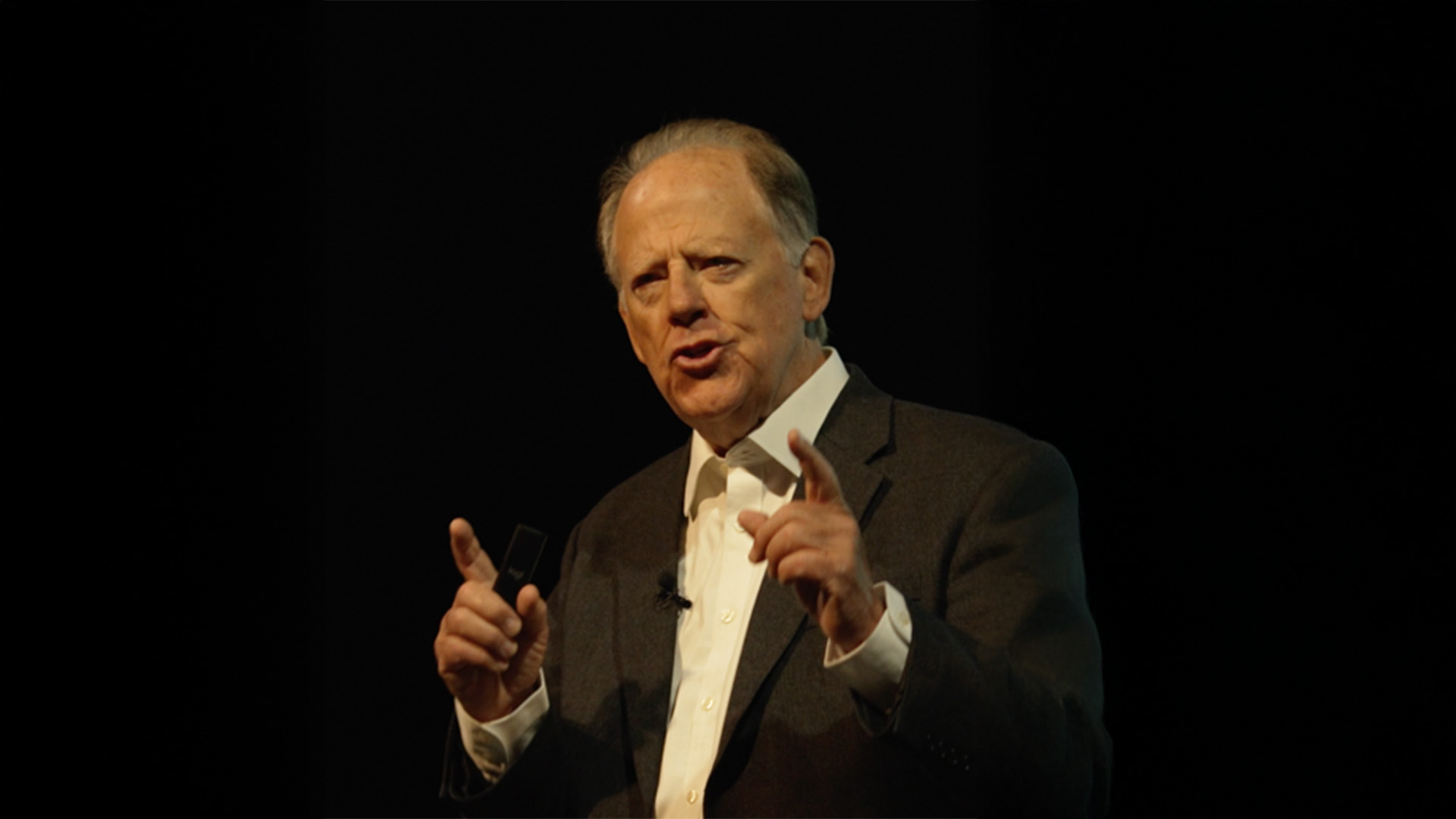

It is the instinct of most business leaders to eliminate uncertainty before they act. Finith Jernigan, Ph.D., a biotech-trained strategist and business growth advisor, built his career inside one of the most uncertain and regulated industries on earth. His position is clear: waiting for certainty is not a strategy. Operating effectively in uncertainty is the competency that separates businesses that scale from those that stall. “Biotech trained me to embrace uncertainty rather than shy away from it,” Jernigan says.
Tight Feedback Loops Beat Perfect Plans
The instinct in high-uncertainty environments is to plan longer and move slower. Jernigan’s discipline is the opposite. Start with an imperfect plan, define three concrete actions tied to a clear thesis, and build feedback loops tight enough to surface evidence quickly. His thesis advisor once kept him on a problem for a full year that was not expected to work. The lesson was not about the outcome. It was about discipline, committing to a strategy long enough to get real data before pivoting. “The quicker you can get feedback that something is not working, the quicker you can change into a more informed strategy,” Jernigan says. In uncertain environments, the speed of learning matters more than the quality of the initial plan.
A Business Is Only Ready to Grow When It Has Completed a Full Cycle
Jernigan sees the same pattern repeatedly across deals, client engagements, and projects. Opportunities look strongest two-thirds of the way through. The most significant risks surface in the final third. “You get to 80% completion, and that is really where the problems start to come out,” he says. A business is genuinely ready to scale only when it has navigated the full cycle successfully, delivered results at the end, and transitioned cleanly into the next one. Enthusiasm at the midpoint is not evidence of readiness. Completion is.
Intuition Is Not Infrastructure
When Jernigan steps into a business preparing to scale, the gap he finds most consistently is the distance between what owners believe their infrastructure can support and what it actually can at volume. He draws on a high-performance computing analogy. Copying one file is trivial. Copying millions requires an entirely different approach because the original method does not scale. Business infrastructure works the same way. “Problems invisible at the small scale become critical at a larger scale,” he says.
Business owners often assess their limits through intuition. Jernigan applies the scientific method instead: structured testing to identify the key limiting steps and the precise range at which they break down. A strong feel for the business is valuable. Without data to support it, it becomes misleading at the exact moment it matters most.
The Most Underestimated Factor in AI Integration
The gap Jernigan sees producing the most expensive surprises right now is the assumption that AI can rapidly replace manual workflows and immediately generate productivity gains. The technology may be ready, but the organization rarely is. “Human culture does not change overnight,” he says. The specific failure mode is this: automating one workflow without preparing the downstream team to handle the increased output it produces. The overall process stalls despite the local improvement. “It can feel like a plane stalling,” Jernigan says. “You did all this work, and you are not seeing the benefits because the whole workflow, not just one segment, needs to transform.”
His analogy from drug discovery is precise. Generating 10,000 compounds means nothing if the selection process was not intelligent. “If you suddenly get 100 research reports on your desk, is this really helping you make better decisions?” Volume is not the same as value.
Build a Holistic Plan Before the Gap Becomes a Disadvantage
The capability Jernigan recommends developing now is a comprehensive AI integration plan that accounts for cultural continuity and downstream capacity, not just workflow replacement. “It is not just replacing a workstream with a set of AI agents,” he says. “It has to be: how are we going to handle the downstream effects? Can our teams capitalize on the productivity gains?”
The firms that answer those questions before deployment will hold a structural advantage over those treating AI as a simple substitution exercise. In uncertain environments, the discipline is always the same. Start with a plan, iterate on real data, complete the full cycle before declaring readiness, and build the infrastructure to support what comes next before it arrives.
Follow Finith Jernigan, Ph.D. on LinkedIn or visit his website for more insights on high-uncertainty strategy, AI integration, and business growth.