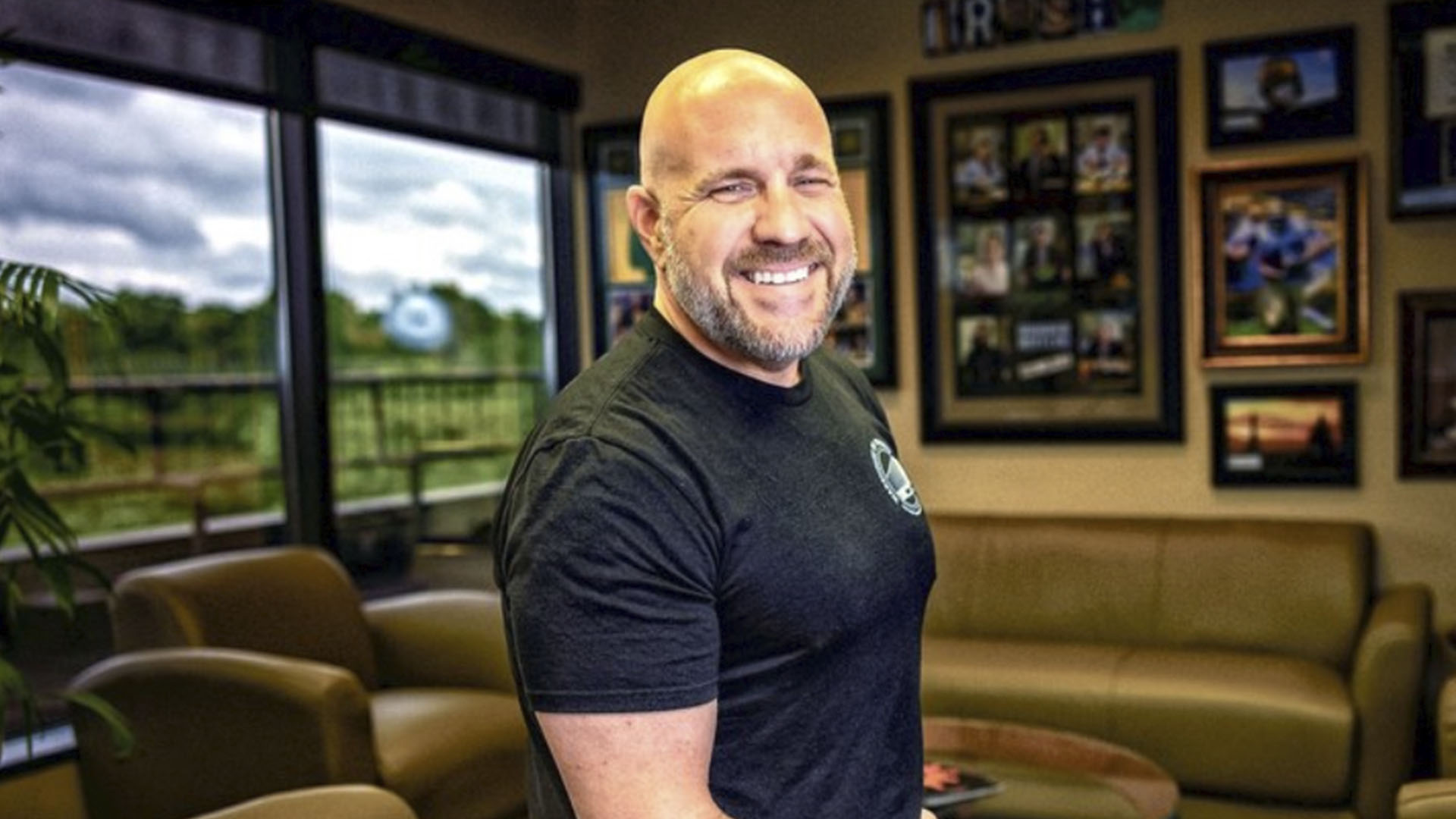

With more than two decades of experience building global Customer Success organizations, Keyonna LaGrone Taylor, CEO at Key Focus Group, has consistently linked customer experience to measurable business impact, from churn reduction to revenue retention and adoption growth. Her approach centers on connecting community to business outcomes in order to enable Customer Success as a growth engine. “You stop treating your customers as endpoints of delivery and start treating them as active participants in how your business evolves,” she says. In her view, Customer Success is a strategic engine for sustainable growth, one that connects community insight directly to revenue outcomes.
From Customer Feedback to Strategic Infrastructure
At the core of Taylor’s model is a shift in how organizations interpret the voice of the customer. Rather than treating feedback as passive data, she positions it as an active input into enterprise alignment and long-term strategy. “Your community becomes an extension of your strategy engine,” she says. Structured feedback loops, customer advisory boards, and peer ecosystems move beyond sentiment collection and instead inform product roadmaps, go-to-market (GTM) priorities, and executive decision-making. This approach reframes community strategy as a business-critical function. It allows organizations to detect adoption patterns before they surface in traditional analytics and to identify friction points across the customer lifecycle early.
Aligning Customer Success with Revenue Outcomes
Taylor’s work as a Virtual Chief Customer Officer highlights a persistent gap in many organizations: Customer Success is often disconnected from financial accountability. By operating outside traditional organizational structures, she focuses on aligning Customer Success with profit and loss (P&L) impact. “I can see the full picture where revenue is being created, where it’s leaking, and where teams are unintentionally working against each other,” she says.
This perspective enables a more direct connection between Customer Success initiatives and revenue retention. It shifts the focus from activity-based metrics to measurable outcomes such as expansion, renewals, and lifetime value. It also bridges silos between sales, product, and Customer Success, ensuring that the customer journey is cohesive and aligned with business objectives. The result is a more disciplined approach to Software as a Service (SaaS) retention and expansion strategy, where Customer Success leadership plays a central role in driving scalable impact across the organization.
Community Intelligence as the Foundation for Churn Reduction
Taylor’s results, including reducing churn by 30%, underscore the importance of community intelligence in shaping effective operations. While many organizations attempt to solve churn through internal assumptions, her approach starts with listening. “Churn is rarely a surprise to the customer. It’s a surprise to you,” she says.
By leveraging community-driven insights, organizations gain early visibility into misaligned expectations, gaps in value realization, and friction across the customer journey. These insights make operational mechanisms such as health scoring, segmentation, and engagement models significantly more precise.
“The majority of the impact came from listening correctly first. The operations simply executed on what the community already revealed.” This sequence, insight before execution, is what allows companies to turn customer experience into measurable return on investment (ROI) and build more resilient, high-performing Customer Success organizations.
Scaling Human Connection with AI
As AI becomes increasingly embedded in Customer Success, Taylor emphasizes the importance of preserving human relationships while improving efficiency. “AI should handle the noise, not the nuances,” she says. “You don’t let AI replace relationships. You use it to protect and scale them.” In this model, AI is used to surface risk signals, identify patterns across large datasets, and automate repetitive tasks. This allows Customer Success teams to focus on high-value interactions such as executive engagement, trust-building, and value realization.
Organizations that use AI to create distance from customers risk undermining the very relationships that drive retention and expansion. Those that use it to enhance clarity and responsiveness are better positioned to scale global Customer Success teams without sacrificing quality.
Building the Three Layers of Revenue-Driven Community
Looking ahead, Taylor outlines a framework for building community strategies that directly contribute to revenue growth. She identifies three interconnected layers: Insight, Influence, and Expansion:
1. The Insight layer captures structured voice-of-the-customer programs and real-time feedback loops that inform decision-making.
2. The Influence layer focuses on peer-to-peer engagement, where customers drive adoption and advocacy through shared experiences.
3. The Expansion layer connects customers to new value through targeted upsell, cross-sell, and deeper product utilization.
“When these three layers are connected, community stops being a nice-to-have and becomes a revenue-generating function,” Taylor says. This model is particularly relevant for early-stage companies and mid-market organizations seeking to build Customer Success infrastructure that supports sustainable growth. It provides a clear path from strategy to execution in Customer Success, while ensuring that community remains central to business performance.
The Strategic Imperative
The increasing accountability placed on Customer Success teams signals a broader shift in how organizations define growth. Customer Success is a core driver of revenue, innovation, and competitive advantage. Taylor’s approach demonstrates that building high-performing Customer Success organizations requires more than process optimization. It requires a deliberate connection between strategy, community, and measurable outcomes.
By embedding customer insight into every layer of the business, organizations can create scalable systems that drive adoption, reduce churn, and sustain long-term growth.
Follow Keyonna LaGrone Taylor on LinkedIn or visit her website for more insights.