
Healthcare systems are under growing pressure to deliver more care across wider populations while reducing costs, improving outcomes, and operating under tighter regulatory scrutiny. Virtual care has become central to that shift, particularly inside military and government health systems where readiness, access, and operational continuity cannot afford disruption.
Many organizations are discovering that scaling digital healthcare is not simply a technology challenge, but requires frontline alignment.
“What makes it critical is that failure isn’t recoverable by the next quarter,” says Eric C. Gardner, Vice President of Operations at Leidos. “It means someone’s life, livelihood, or their medical readiness is directly impacted by your execution.”
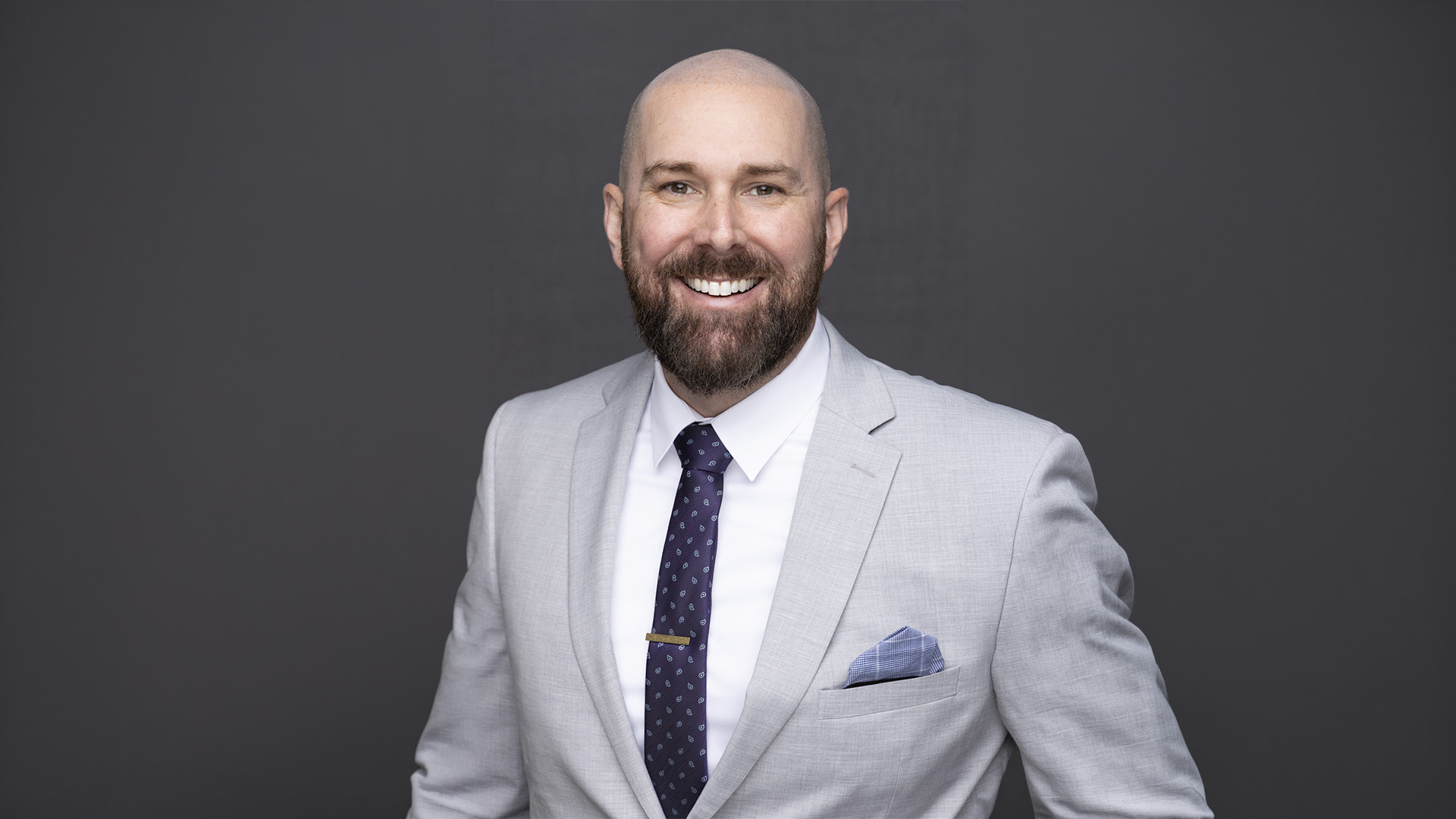
Gardner oversees the Reserve Health Readiness Program, managing more than 600,000 annual medical and dental exams for the Department of Defense. Over more than two decades, including service as a U.S. Air Force Medical Service Corps officer and leadership roles at Optum and WellMed, he has focused on transforming complex healthcare systems at scale while aligning technology, finance, and clinical operations. As healthcare organizations expand virtual care and enterprise-wide digital transformation, Gardner believes sustainable growth depends on how leaders build operational systems that can scale under pressure.
Mission-Critical Operations Demand More Than Scale
“The broken areas aren’t necessarily where people think they are. It’s really more so rework and misalignment upstream,” says Gardner, stressing that many organizations misdiagnose where operational breakdowns actually occur. Healthcare transformation often focuses on throughput, staffing shortages, or expanding digital capabilities. At Leidos, however, the focus is on eliminating rework, tightening vendor accountability, and redesigning workflows. This work helped drive more than $20 million in cost savings, while reducing labor costs by 10%. Rather than relying on workforce cuts, the company concentrated on workflow redesign, vendor accountability, and eliminating repeated work across the system.
Across government health systems and commercial healthcare organizations alike, operational excellence increasingly depends on reducing friction between disconnected workflows. Rework not only creates inefficiency, it compounds risk in regulated environments where delays can directly affect patient readiness and clinical outcomes. “Once the processes are smoothed out and you’re not doing things multiple times to achieve an outcome, you save a lot of time, money, and effort,” he says.
Frontline Intelligence Is the Foundation of Healthcare Transformation
Despite rapid investment in AI and automation in healthcare, many organizations overlook the most valuable operational insight already available to them: frontline staff. The people closest to the mission often understand operational failures long before leadership does. “In the Air Force, the youngest airman doing the mission daily knows and sees what is broken,” Gardner says. “If you’re paying attention and in tune with the folks on the frontline, you can improve overall mission effectiveness and people’s lives as well.”
That mindset shaped Gardner’s leadership at Optum and WellMed, where he led enterprise-wide digital transformation initiatives that generated more than $500 million in performance lift, expanded telemedicine access to more than 700,000 visits, and eliminated $50 million in tech debt. For organizations pursuing virtual care and value-based care delivery, the challenge is rarely a lack of technology. More often, the failure stems from disconnects between leadership assumptions and operational realities inside clinics, care teams, and administrative workflows.
Scaling AI Requires Governance Before Growth
The same frontline intelligence that improves operational performance should also shape how organizations deploy AI and virtual care technologies. Without input from the clinicians, operators, and care teams using these systems daily, digital transformation efforts often scale faster than organizations can safely manage.
As healthcare organizations push agentic AI from pilot programs into live clinical and operational environments, Gardner warns that many are moving too quickly without building the governance infrastructure necessary to maintain trust. “The biggest mistake is treating compliance like an afterthought and not building that into the overall process,” he says.
Scalable virtual care models depend on transparency and accountability as much as automation itself. Every AI-driven decision must be traceable, auditable, and understandable to human operators. Otherwise, operational risks multiply as systems expand across healthcare networks. “It won’t break at the pilot stage,” Gardner says. “It’ll break at the 10x stage.” For organizations leading enterprise-wide digital transformation, success increasingly depends on operational frameworks that allow AI to scale without compromising compliance, trust, or patient outcomes.
The Next Competitive Advantage
Gardner believes the next major divide in healthcare will be between leaders who can interpret operational data quickly and those who cannot. “Organizations that will really win won’t necessarily be the ones with the most AI,” he says. “It’ll be the ones with leaders that can actually read the operational data and make fast calibrated decisions on it.” Boards have traditionally focused on financial metrics and quality scorecards. Gardner argues that future leadership teams must also understand workflow intelligence, operational bottlenecks, and how digital systems affect clinical execution in real time.
That capability becomes essential during moments of disruption, when healthcare organizations must make rapid decisions under pressure. Leaders who build operational data fluency now will be far better positioned to navigate future crises, scale virtual care effectively, and drive sustainable healthcare transformation.
Follow Eric C. Gardner on LinkedIn or visit his website for more insights.