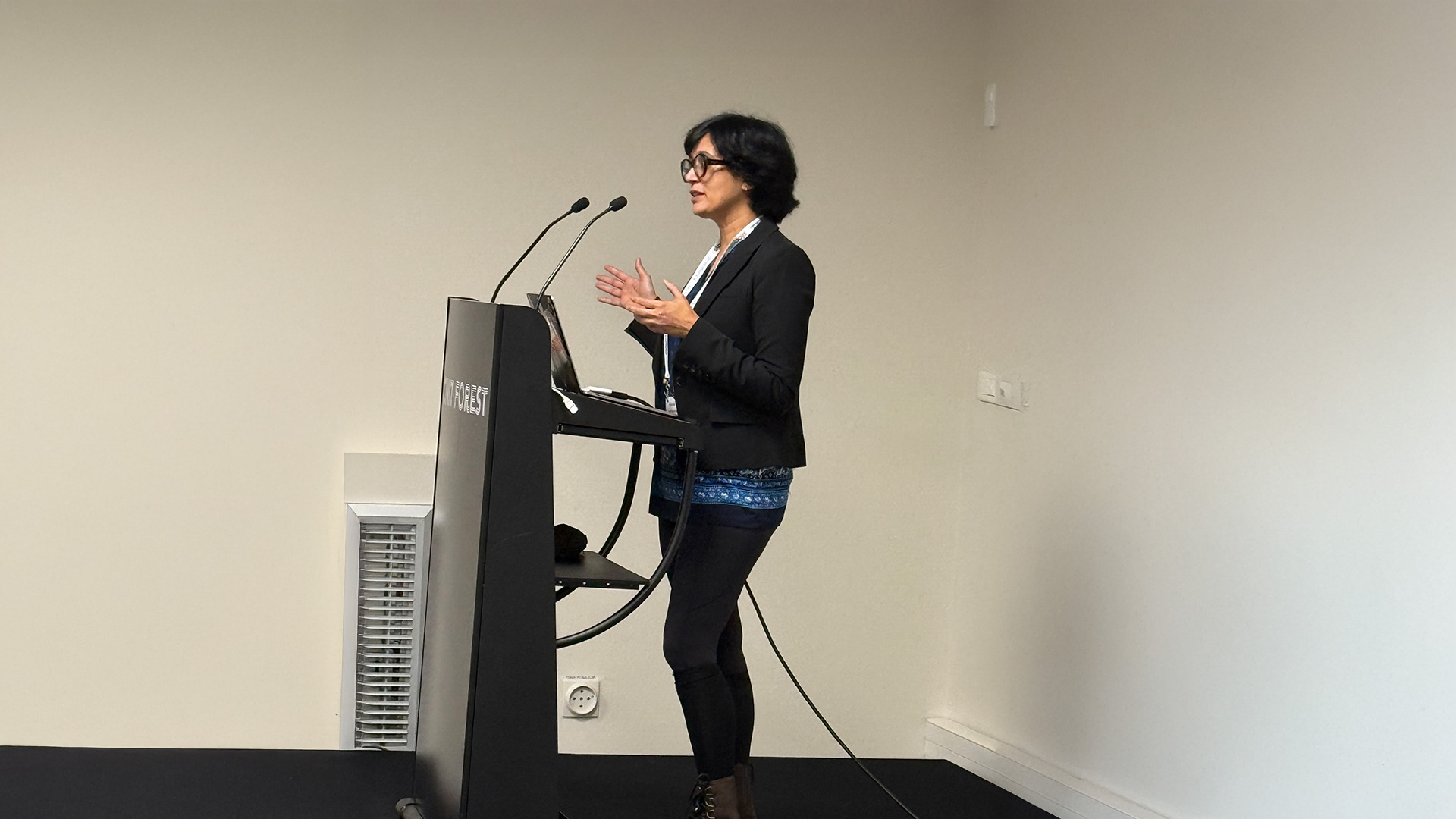
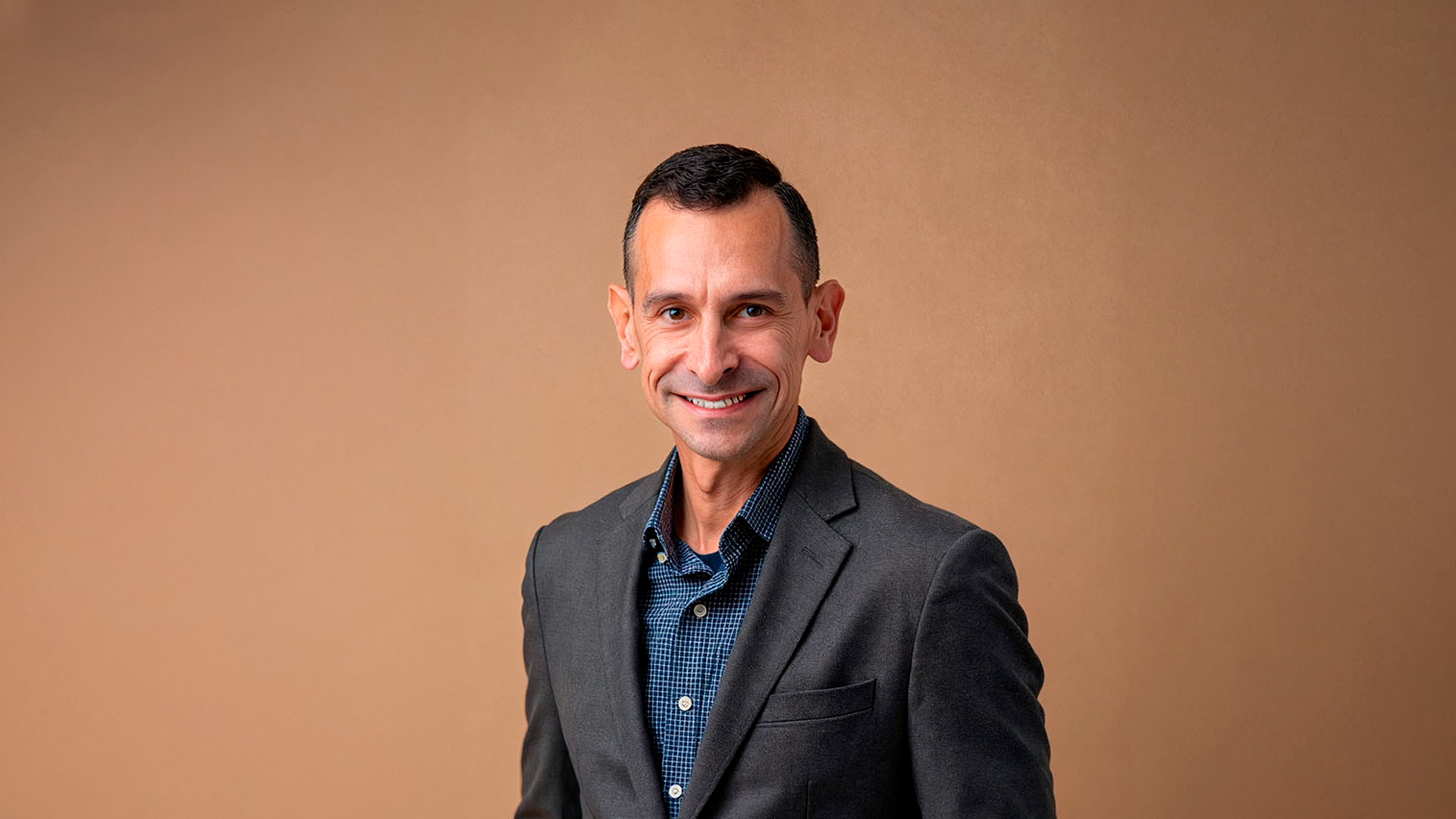
A franchise looks like a licensing deal. One party owns the brand; the other pays to run the business under that brand. Peter Steckelman, a veteran business and legal affairs executive, says that view can potentially destroy franchises. A franchise works best when both sides operate as co-owners of the same brand, even though they are legally separate businesses bound by a contract. “Both parties, the franchisor and the franchisee, should function in a relationship as co-owners,” he says.
When either side forgets this partnership, the brand crumbles from that end; whether it is a franchisee cutting corners on a name that isn’t theirs or a franchisor treating its partners as an impersonal revenue line. Almost every franchise failure traces to the same error of running a partnership like a transaction.
Synergy Starts With Each Side’s Non-Negotiables
Shared ownership begins with knowing what the other party actually needs. Each side arrives with a set of requirements and preferences, and synergy comes from fully honoring the requirements on both sides while staying flexible on everything else. Open communication makes the line visible, separating what a partner truly needs from what they would merely like. That is how co-owners operate, aligned on what matters and accommodating on what does not. A relationship that treats every term as rigid, or every term as negotiable, has never drawn that line, and it will not hold.
Architect for the Short Term, Build In the Long Term
Long-term franchise deals cannot be fully architected up front, because the parties rarely know each other well enough on day one to commit to a decade of structure. Steckelman sets the immediate terms clearly, covering the term length, the investment on each side, brand support, intellectual property (IP) enforcement, and real estate, while building options for the future into the contract. Those options are earned rather than assumed. A franchisee might hold the right of first negotiation on renewal, or the chance to expand from six pieces of IP to ten once early success is proven.
“You build in those robust long-term mutually beneficial extensions,” he says. The relationship earns its future by succeeding in the present, which is how co-owners grow. A partner who has behaved like an owner is rewarded with more, rather than being promised everything before either side has proven anything.
Risk Is a Tool for Growth, Not an Obstacle
Scaling requires momentum, and speed and risk are always in tension. The co-ownership model resolves it through mutual due diligence. Each side vets the other as a real partner. The franchisee weighs whether the franchisor is reputable, well capitalized, and able to support expansion. The franchisor confirms the franchisee can manage the growth they are taking on.
“You don’t ignore them,” Steckelman says of the risk factors. “You use them as tools.” Limited IP rights, constrained real estate, or industry-specific exposures are not reasons to slow down so much as instruments for choosing the right partner and building deliberately. Risk ignored is a liability. Risk understood is how co-owners protect a shared asset while scaling it.
AI Governance Begins With a Single Question
AI exposes a franchise broadly, because two separate businesses each deploy their own tools against one shared brand. Steckelman’s first question is always the same. “What are you using it for?” The end use determines how demanding the regulations are and where the risk sits.
The failures cut both ways. A franchisor might build brand IP with AI, only to find it was never cleared because the model took content it should not have. A franchisee might use an AI hiring tool that introduces bias into its staffing. Either one damages the shared brand, which is why governance has to bind both parties.
Co-owners cannot let one side’s tooling endanger the asset both depend on. Franchising scales by distributing risk across many independent businesses rather than one vertical structure, but that only works if every party treats the shared brand as something they own. Expanding with confidence means bringing an owner’s diligence to a relationship the law calls a contract. To learn more about business and legal affairs synergy in franchise management, connect with Peter Steckelman on LinkedIn.