
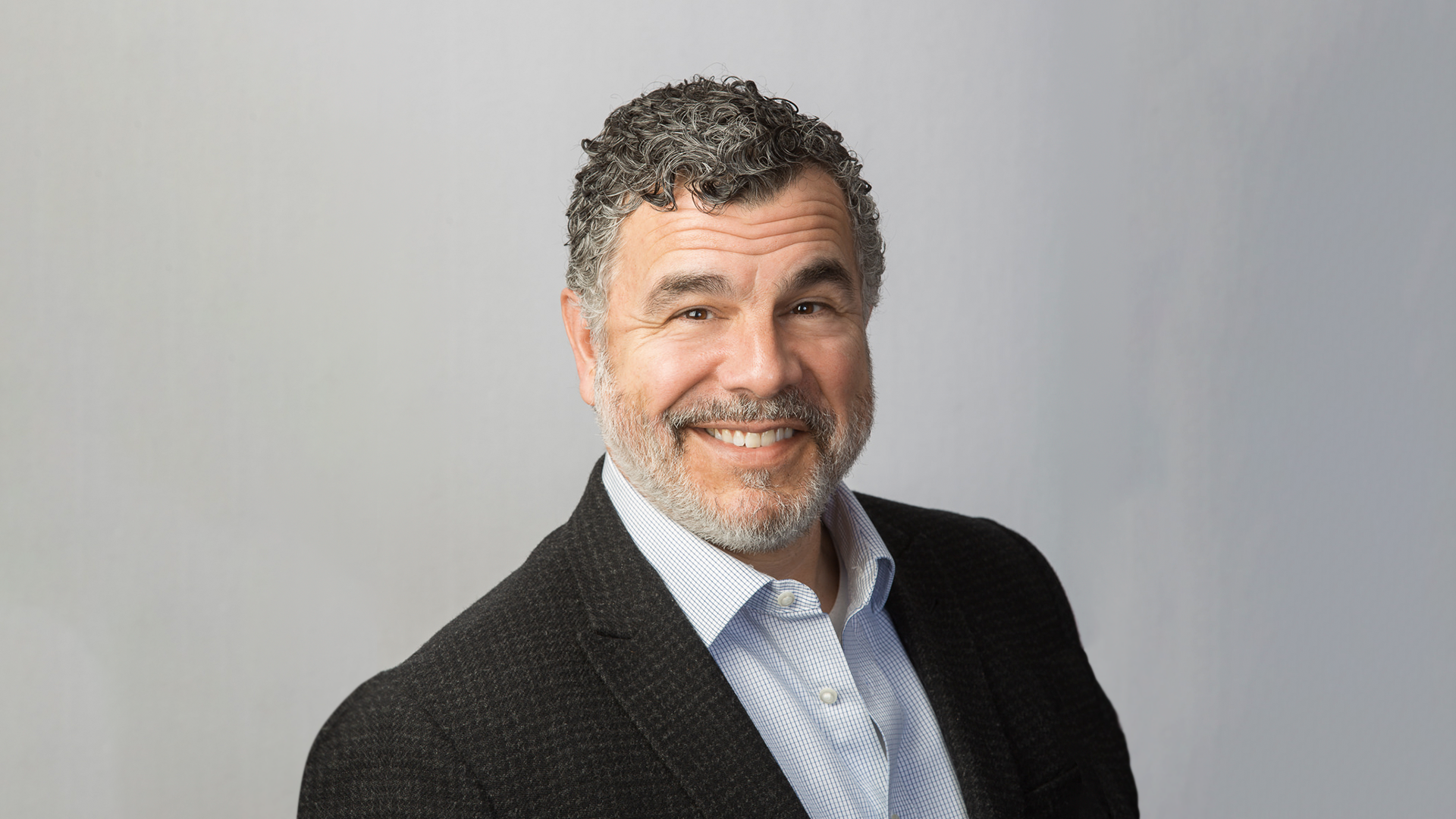
Most organizations do not have a strategy problem. They have a courage problem. That is the central thesis behind Thane Bellomo’s work as Founder of Bellomo Leadership. After spending more than two decades inside Fortune 500 organizations, Bellomo concluded that performance doesn’t usually stall because leaders lack intelligence or ambition. More often, organizations fail because they reward comfort over truth.
“The ultimate goal of any organization should be – to be maximally truth-telling,” Bellomo says. “We cannot solve problems effectively without the truth.” His framework distinguishes between what he calls the lie economy, where people protect themselves by withholding difficult information, and the courage economy, where executive candor becomes part of the organization’s operating system. The difference is whether leadership systems reward honesty or punish it.
Honest Organizations Are Designed, Not Declared
Many organizations attempt to improve communication by encouraging people to be more open. Bellomo argues that these efforts often fail because they ignore the systems surrounding employee behavior. “What doesn’t work is making promises and affirmations that we’re going to be more honest,” he says. “The organization, the structure of the organization, incentivizes the opposite.” When employees believe speaking up will damage relationships, career opportunities, or credibility, silence becomes the rational choice. The result is what Bellomo describes as the lie economy, where problems remain hidden until they become expensive.
This explains why executive teams avoid honest conversations even when leaders publicly encourage transparency. The issue is rarely a lack of good intentions. It is that organizations have designed incentives that reward agreement instead of truth. “It’s not really a culture problem. I look at it more as a design problem.”
Building Leadership Systems That Reward Truth
For organizations seeking how to build a courage economy, Bellomo believes the solution begins with redesigning incentives. “Culture is the output of what you reward and what you punish. Period. That’s it.” Rather than celebrating consensus, organizations should recognize people who surface uncomfortable realities before they become crises. This approach strengthens culture accountability because employees quickly understand which behaviors are genuinely valued.
If someone identifies a serious risk, challenges a flawed proposal, or delivers difficult news, the organizational response matters. “When somebody brings up an uncomfortable truth, they’re rewarded with, ‘Thank you. This is what I’m looking for.'” That shift transforms performance conversations from exercises in protecting reputations into opportunities for solving problems. It also strengthens leadership standards by making accountability visible rather than aspirational.
The same principle extends across hiring, promotions, talent systems, and succession planning. Organizations consistently produce the behaviors they reinforce. If tactical execution receives every reward while strategic thinking receives little recognition, leaders should not be surprised when strategic leadership remains scarce. “Whatever you reward, people will do. Whatever you punish, people will not do.”
Executive Candor Begins With Better Questions
Whenever presenting an idea, he takes an unusual approach, asking his team, “Tell me why this is a dumb idea.” The question, while disarming, gives permission to challenge authority without fear of punishment and addresses one of leadership’s greatest blind spots.
Senior leaders often struggle to understand their own impact, not because employees lack opinions, but because they have learned those opinions are unwelcome. “They’re not telling you because you’re not asking them,” says Bellomo, who believes leaders should resist presenting fully formed solutions too early.
Instead of declaring both the problem and the answer, executives should invite broader thinking by asking teams to solve challenges together or deliberately requesting criticism of their own proposals. That kind of executive candor cannot exist without psychological safety, but psychological safety itself depends on consistent organizational design. Leaders cannot ask for honesty one day and punish it the next.
The Cost of Choosing the Show Over the Truth
Technology is making this challenge even more significant. Bellomo believes AI has enormous potential to improve leadership, but it also increases the risk that polished presentations will overshadow substance. “The show became more important than the truth, because now I can be judged not on the data but on the presentation of the data.” AI raises the stakes further by making persuasive communication easier than ever. Beautiful reports, compelling narratives, and sophisticated presentations can obscure weak thinking if leaders fail to build systems that continuously test assumptions.
This is why organizations have a courage problem, not a strategy problem. The challenge is no longer generating information. It is ensuring leaders have the discipline and organizational structures to question it. “Courage is expensive. But lies cost more.” For him, executive coaching is ultimately about designing talent and culture systems that drive performance, not creating more comfortable conversations. Organizations that embrace honest feedback, enforce standards consistently, and reward those willing to challenge assumptions become better equipped for uncertainty, stronger decision-making, and measurable business outcomes.
Follow Thane Bellomo on LinkedIn or visit his website for more insights on creating a courage economy.