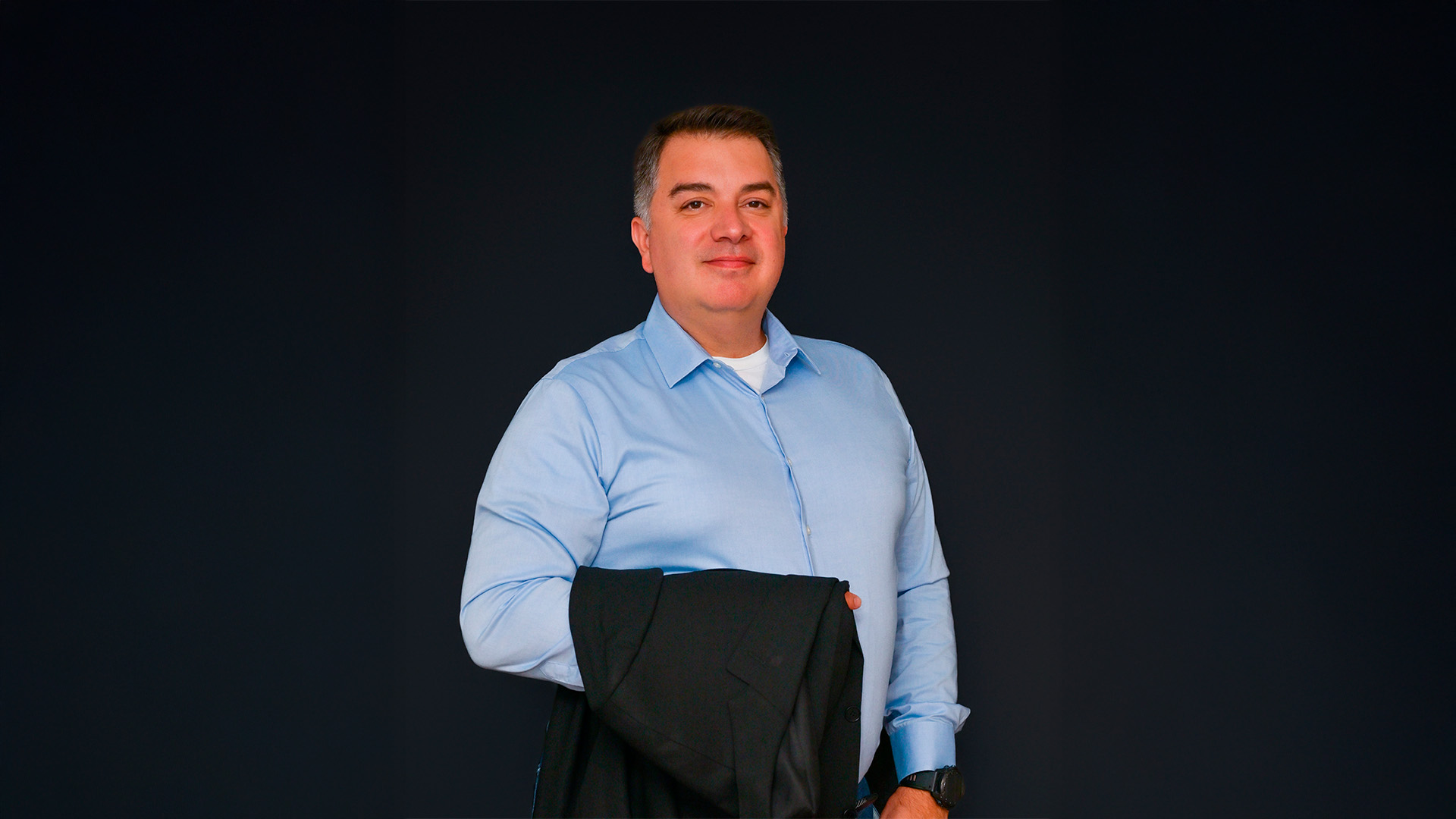

The American early education system has spent decades optimizing for the wrong variable. Readiness gets measured in letters, numbers, colors, and shapes because those skills are easy to count, easy to report, and easy to put on a progress sheet for a parent to read in ten seconds. The problem is that none of these predict whether a five-year-old will survive the first month of kindergarten. Shannon Penrose, who leads the learning model at Growing Brilliant, argues that the industry has been grading the wrong test, and that the consequences are showing up years later in classrooms that children no longer want to walk into. Her position is blunt: readiness is not a checklist of recall. It is a posture, and a posture either gets built in the preschool years or it does not get built at all.
The Difference Between What A Child Knows And How A Child Meets The World
Penrose draws the distinction sharply. “A checklist measures what a child can recite, and a posture tells you how a child meets the world,” she says. The evidence for her case comes from the people closest to the problem. “I’ve never met a kindergarten teacher who struggled with a child because he didn’t know the letter Q,” Penrose notes. “They struggle when a child can’t wait, can’t recover from a mistake, or won’t try something new.” That is a quiet indictment of an entire measurement culture. The metrics that early learning programs market to parents are not the metrics that determine whether a child functions in a group of 25 children.
What the posture looks like in practice is specific rather than vague. A child who raises a hand without being sure of the answer. A child who gets frustrated with a puzzle and returns to it. A child who asks why and genuinely wants to hear the reason. Penrose builds her Raising Unstoppable framework around four domains – Body, Mind, Heart, and Will – with academics sitting inside that structure rather than on top of it. The sequencing is the argument: “The posture has to come first, because it’s what lets a child keep learning after the flashcards run out.” Recall expires. Disposition compounds.
Compliance Is Easy To Measure, And That Is Exactly The Trap
Nobody set out to build classrooms that train children to sit still and wait. Penrose is careful about that. “It happened slowly, and mostly with good intentions,” she says. When an adult is managing a room full of three-year-olds, compliance is visible, legible, and reportable in a way that curiosity never is. So the room organizes itself around the thing that can be observed. Worksheets on the tables. Children waiting their turn to speak, waiting their turn to move, waiting their turn to be curious. Every one of those choices is defensible on its own. Together, they produce a child who has learned that learning is something that happens to her.
Penrose calls the result passengers. “Children who sit, wait, and follow directions, but who don’t feel like the learning belongs to them,” she says. “What they need to become is navigators of their own learning.” Then she connects it to the number that currently keeps superintendents awake: chronic absenteeism across K-12. “Kids and families vote with their feet. When they decide school isn’t worth the trip, they’re telling us something.” Districts have responded with attendance campaigns, letters home, and policy levers. Penrose thinks that is treating a symptom. “You can’t mandate your way out of that. You have to make the room worth walking into, and that starts long before kindergarten.” If ownership of learning is never established at four, demanding attendance at nine is a losing argument.
Design, Not Duration, Is What Moves A Child Forward
The same logic reframes the fight parents have been having about screens. Penrose does not dismiss the concern. “Most of what shows up on a screen is designed to hold a child’s attention, not to grow it,” she says. “A feed plays whether your child is watching or not. It doesn’t know her name, and it doesn’t notice when she’s lost.” But she rejects the binary the debate has settled into. “It was never really screen time versus no screen time. It’s whether that time is worth a child’s time.” The test she offers parents is practical: Is there a real person on the other side who knows your child? Is your child talking and answering rather than watching? Is there a small group of peers to learn alongside?
That standard leads directly to what she calls microdose learning, structured, and teacher-guided instruction disguised as play, built tightly around one skill. “Time isn’t the measure. Design is,” Penrose says. “A full day of passive activity can leave a child tired and not much further along. A well-designed 45 minutes can leave her lit up.” Her framing is that a session should function as a departure hub rather than a destination. The child takes the counting game into the kitchen. She tells her grandmother about the story. “The session isn’t meant to hold her. It’s meant to launch her.” The outcome data Penrose tracks supports the model. In efficacy studies, children attending Growing Brilliant’s live classes consistently for a year show up to 35 percent greater improvement in early reading and math than peers with no preschool at all, with families seeing up to 15 percent improvement within six weeks of consistent attendance. Even so, she refuses to let the numbers carry the whole verdict. Watch whether a child can wait her turn and recover when something goes wrong. Watch whether she speaks up in a group. Watch whether she loves learning. “If a child walks into kindergarten curious, willing to try, and able to manage herself in a group, she’s ready. Not because she can recite the alphabet, but because she’s become a navigator.”
Follow Shannon Penrose on LinkedIn for more insights on early childhood learning design, kindergarten readiness, and building curiosity in young learners.