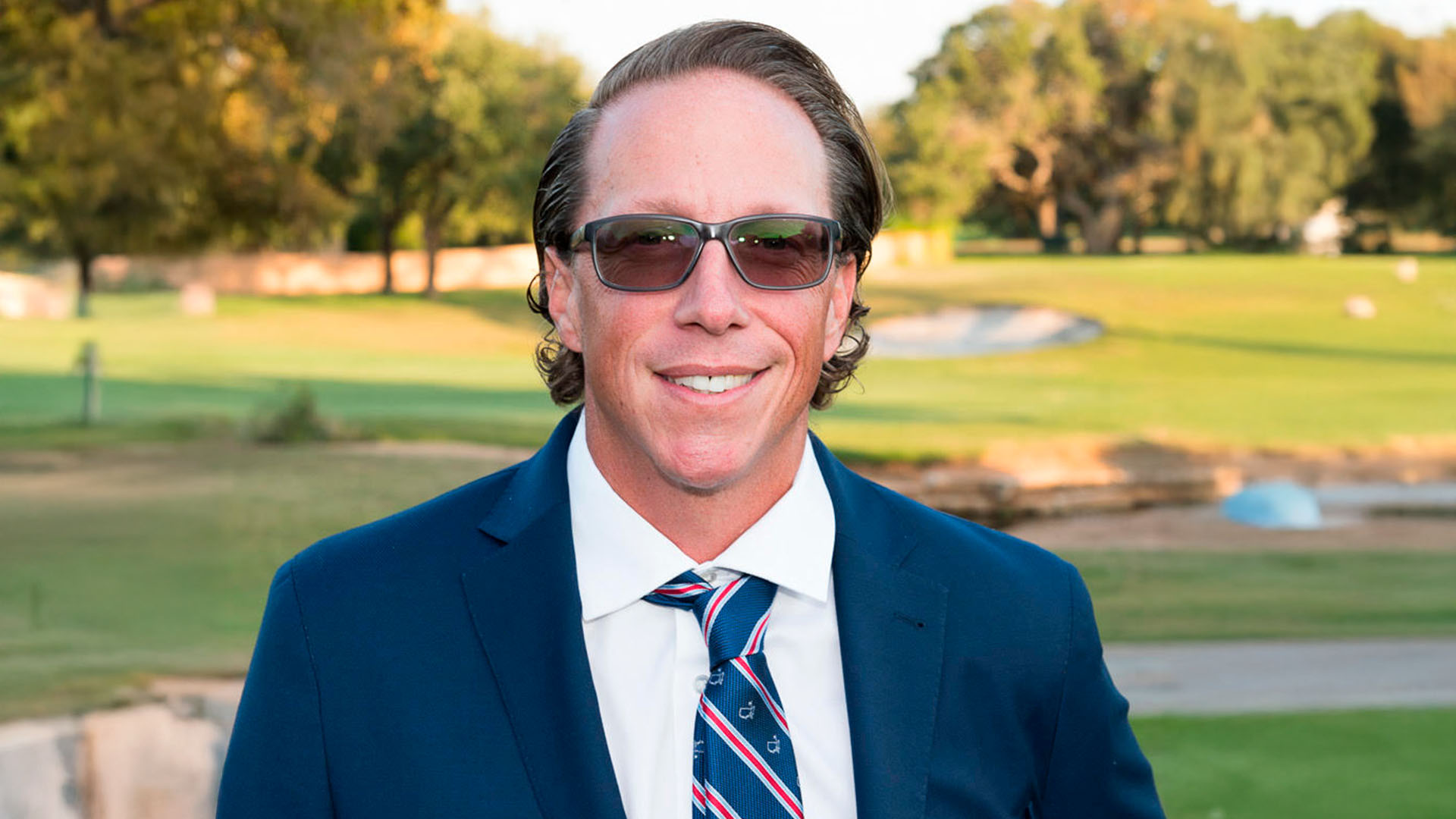

Rare disease biotech has a hiring problem that nobody puts on a job description. The science is extraordinary, the capital is patient-centric, and the patient populations are small enough that a single executive’s judgment can determine whether a therapy reaches a few thousand families or dies in a portfolio review. Boards know this, which is why “mission-driven” now appears in nearly every executive specification in the sector. The trouble is that the phrase has been devalued by overuse. Every candidate arrives fluent in it. Peter S. Kaplan, an executive search consultant working in life sciences leadership, argues that the term is close to meaningless unless a board defines what it looks like when the pressure is on, and then tests for it with the rigor it deserves. His position is clear: compassion is not a qualification. Accountability for outcomes is.
What Patient Focus Looks Like When It Costs Something
The distinction Kaplan draws is between feeling and consequence. Plenty of executives in rare disease speak movingly about the families they serve. Far fewer can show where that conviction altered a decision that had a price attached to it. “The best leaders do more than express compassion for patients; they make themselves and their organizations accountable for delivering outcomes that matter to them,” he says. The test is whether a leader can trace the line from a corporate milestone back to the human result it was supposed to produce, and whether they are willing to be measured against that line when it is inconvenient.
That translation is where the real work sits. “A patient-first executive becomes credible when they connect organizational milestones to the human outcomes those milestones are intended to enable,” Kaplan says. “This mindset influences investment priorities, development plans, and operating decisions.” Read that carefully, and it stops being a values statement and becomes an operating discipline. It changes which indication gets prioritized, how a trial is designed, and what gets funded when the runway tightens. A board that hires for sentiment and then wonders why the development plan looks like every other development plan has made a category error. Patient focus either shows up in the capital allocation or it does not exist.
Separating Conviction From Rehearsal In The Interview Room
Interviews reward performance, and the rare disease sector produces candidates who have had years to perfect theirs. Kaplan’s view is that genuine motivation is usually visible before anyone asks for it. “In my experience, a truly mission-driven candidate will stand out from the rest by freely sharing how excited they are or connected to the mission of the company from a patient perspective,” he says. Volunteered enthusiasm is a weaker signal than evidence, but it is a signal. The candidate who waits to be prompted has already told you something.
The harder screen comes after. “During the interview, I suggest looking for specific examples of decisions, identifiable trade-offs, follow-through, and lessons learned when dealing with this community,” Kaplan says. Trade-offs is the operative word. Any competent executive can describe a decision that went well; the useful material is what they gave up to make it, and what happened afterwards. Kaplan is also clear about the trap that catches search committees most often. “A moving story can reveal motivation; it is not, by itself, proof of effective leadership, so probe for how they specifically made a difference and affected change.” Boards fall for narrative because narrative is memorable. A personal connection to a disease explains why someone entered the field. It says nothing about whether they can run a development program, hold a timeline, or make a call that disappoints half the organisation.
Hiring For Courage When The Board Wants Comfort
Cultural fit is the quiet default in most searches, and in rare disease it is often the wrong one. Companies operating at the edge of what regulators and payers have seen before need leaders willing to push against established practice, which is precisely the behaviour that reads as friction in a reference call. Kaplan frames the choice in terms that should stop a nominating committee short. “When we select a biopharma executive, we are choosing more than someone to lead a function, advance a pipeline, or deliver a business plan,” he says. “We are choosing someone whose decisions may shape what becomes possible for patients and families and sets the course for either success or failure for the organization.”
That framing shifts the risk calculation. The safe hire is not safe when the cost of conventional thinking is a therapy that never reaches the people waiting for it. “In this context, experience and judgment matter most, and the willingness to be bold and courageous to provide a voice for the voiceless is critical to the success of the organization,” Kaplan says. Note what he does not say. He is not arguing for disruption as a personality trait, and he is not recommending boards hire difficult people on principle. Experience and judgment come first in his ordering. Courage without either is just noise. The combination, though, is what small-population medicine requires, and it is the combination that structured, fit-weighted processes are least likely to surface.
The Gaps Boards Should Be Planning For Now
Two forces are about to test the leadership benches in this sector, and Kaplan sees them converging. “The changes within the FDA leadership and the impact of the examination of global drug pricing will require rare disease executives to sharpen their toolbox in terms of addressing the changing landscape for market access, drug pricing, and the overall societal benefit for the medicines they are developing,” he says. The implication is that a rare disease executive can no longer be strong on science and merely conversant in access. Pricing justification and societal benefit are moving from the commercial function into the chief executive’s core remit.
On the other force reshaping the sector, Kaplan is unusually direct about the limits. “AI may be reframing the operations and potentially the practice of medicine, though in the realm of assessing leadership no AI system can substitute for knowledge, intuition, and overall good judgment that an experienced executive search consultant possesses.” Boards tempted to algorithmically screen their way to a shortlist should sit with that. The qualities that matter most in a rare disease leader are precisely the ones that resist clean measurement, which is exactly why so many organizations settle for the proxy and hire the person who interviews well.
Follow Peter S. Kaplan on LinkedIn for more insights on executive search, biopharma leadership, and rare disease.