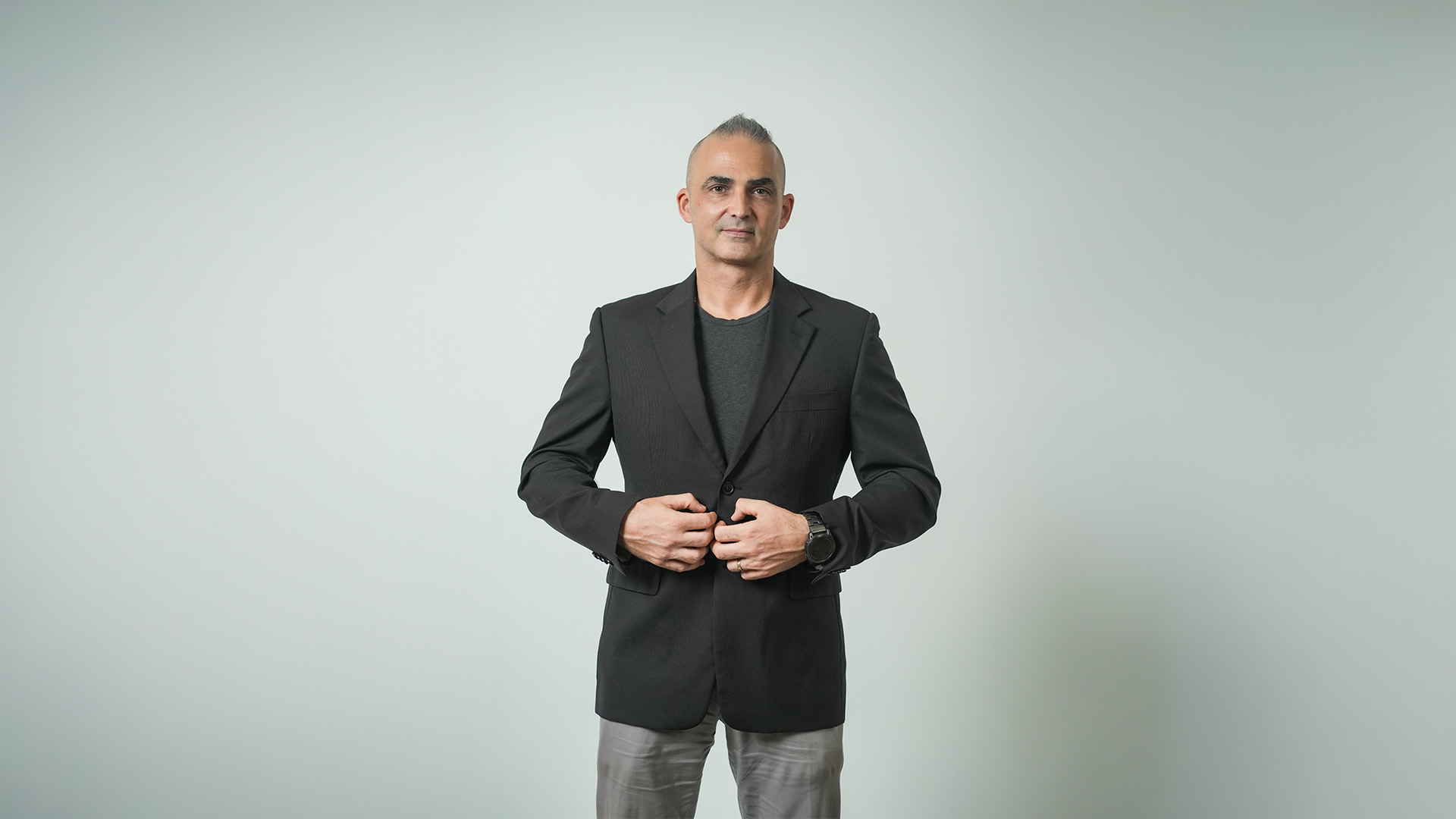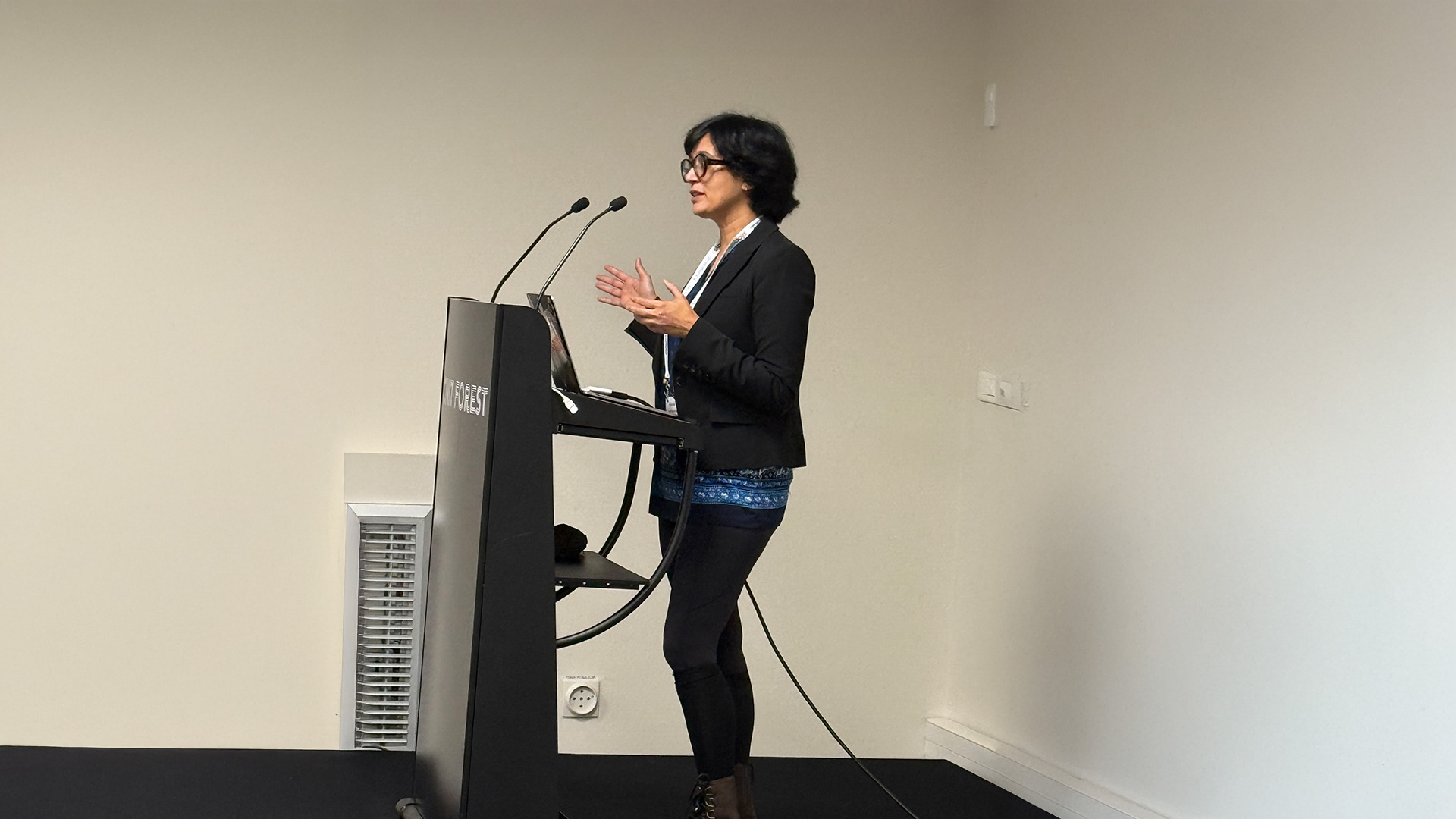

If you ask Aurélien Mangano, presence goes a lot further than performance. Founder and CEO of DevelUpLeaders with deep cross-border leadership experience and recognition as a Forbes Coaches Council member, Mangano says executive presence comes down to communicating clearly, listening deeply, and inspiring trust. He shows leaders how mastering these human skills creates influence that drives real results, even in complex, high-pressure environments.
Early in his career as a digital business analyst in the oil and gas sector, he immersed himself in understanding business operations and return on investment. He found himself struggling with something less tangible. “I was focusing on doing, controlling the project, making sure that I delivered on time, on budget, on scope. But I was not so much focusing on executive presence,” shares Mangano. That realization sparked a shift. It pushed him to step back from the mindset of doing everything himself and begin leading in a way that brought others along.
When he stepped into leading an automation initiative, Mangano began to see the real effects of that shift. The promotion placed him in rooms where decisions were made, not just executed, and it exposed how much presence influenced whether his ideas carried weight. Competence had carried him far, but it wasn’t enough to help others see him as a leader. He noticed that the real work happened in the pauses, in taking a breath long enough to understand the full picture before speaking.
It was also about having the courage to share his point of view, even if it differed from the direction the organization seemed to be moving. “You need to voice your opinion,” he says, describing how healthy disagreement can open the door to better decisions. For him, that moment marked the beginning of learning that real confidence is communicated through presence.
Executive Presence Under New Pressure
Many leaders underestimate the role of communication in how they are perceived, and hybrid work has only sharpened this gap, making it clearer than ever who can hold a room even when that room is a screen of muted squares. Mangano has watched leaders who once relied on hallway conversations suddenly realize their voice must carry through a pixelated grid. The real test is not just delivering ideas but shaping them in ways that reach people across cultures, functions, and time zones.
“Most people think communication is just pushing a message to people. If you do this, you don’t have executive presence,” he says, a reminder that presence begins with meeting others where they are, not where it is easiest to speak from.
Cross-cultural complexities add another layer. Mangano has seen leaders shine when they can sense what is not being asked and respond with clarity that cuts through noise. He describes this as a moment when a leader stops simply exchanging information and begins interpreting the room, earning trust not through volume but through insight. The challenge, however, is that ideas often “sound better in your head” than when spoken aloud. Translating vision into language others can truly grasp takes discipline and intention, which is why he encourages executives to strive to make any message clear enough for a child to understand while still carrying the depth required to move a global team forward.
Three Practices That Build Genuine Executive Presence
Through coaching leaders across industries, Mangano has distilled executive presence into three practical behaviors that strengthen influence and credibility.
1. Begin with Purpose: Leaders who communicate purpose clearly inspire confidence. Mangano shares the story of a client who inherited a failing project. The initiative faced cancellation because its strategic value was unclear to senior leadership. When the client clarified its purpose and aligned it openly with the organization’s priorities, stakeholders began to engage more constructively. “If you are very clear on what you are doing and how it aligns with your strategy, people will follow,” Mangano says.
2. Become a Trusted Advisor: Presence grows when leaders listen actively and respond thoughtfully. Instead of defending his preferred solution, Mangano’s client learned to understand executive concerns and address them with the best available answers, even when those differed from his initial approach. This shift allowed him to be seen as someone who “proposes a solution that helps others find the right answer to their problem.”
3. Communicate Succinctly: It’s imperative leaders resist the instinct to overexplain. Concise communication conveys certainty. “If we go too long on the answer, it looks like we don’t know the answer and try to justify ourselves.” Clarity creates trust, especially when decisions need to be made quickly.
The Human Edge in an AI Future
Rising digital communication has amplified feelings of disconnection among teams. The antidote is not to abandon technology but to be far more intentional about rebuilding relationships. AI-driven tools, he says, can actually support this effort when used thoughtfully. He sees them as a way for leaders to share the same message in multiple formats so it reaches people where they are, whether through a short video, a written summary, or another medium that resonates.
“What is important is to focus on power skills,” he says, pointing to emotional intelligence, deep listening, and genuine human connection. And while technology continues to accelerate decision cycles and broaden the ways leaders can reach dispersed teams, the core of executive presence remains unchanged. AI may strengthen the decision-making process by surfacing better information, but it cannot replicate the human qualities that make leadership credible.
Executive Presence Begins with Connection
At its core, Mangano views executive presence as a function of connection rather than status. “People don’t really understand what it is, but it is not so difficult if you are able to connect with others,” he says. Treating colleagues as people rather than positions opens the door to conversations that shape leadership identity. He encourages professionals to feel comfortable speaking with managers, vice presidents, and executives alike because these interactions build confidence and perspective. “The only way to develop your executive presence is actually connecting with others and learning from others.”
To learn more about Aurélien Mangano’s work, visit his LinkedIn or his website.