When an insurance program falls short, it’s often not because a company bought too little. Usually, the program has never been fully connected to the business it’s meant to protect. Executive teams naturally focus on renewal outcomes: limits, terms and conditions, and premium. Those things matter, but they’re only part of the picture. The bigger question is whether the insurance strategy reflects where the company is today, where it’s going, and how much risk leadership is willing to carry.
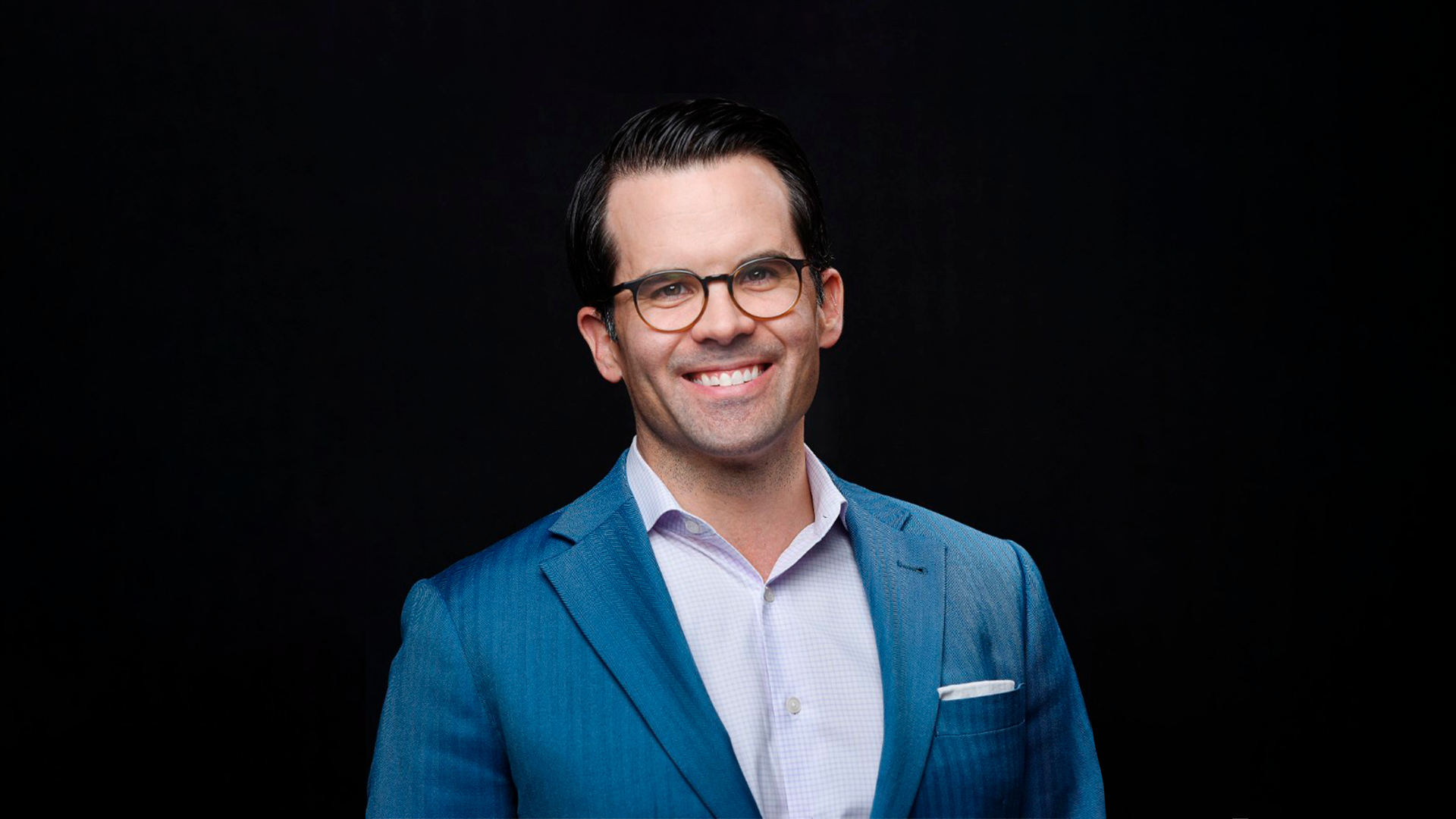
For Casey Zgutowicz, Executive Vice President at Lockton Companies, that’s where the real work begins.
“It’s not so much a misconception as a misalignment,” he says. “Management teams have good intentions. They want the best coverage at the best price. But insurance can be off in its own silo. To get the most out of your program, you have to start with the business. What’s your operational strategy? What are your priorities over the next six to 12 months and the next two to five years? What KPIs tell you you’re on track? Once we understand that, we can build the risk strategy, and the insurance program follows from it.”
Start with the Business, Not the Policy
Many organizations build their insurance programs focused on trying to optimize what’s currently in place and responding to what the market will bear. They base decisions on last year’s program, even as the business continues to evolve. New markets, acquisitions, product launches and workforce growth create new exposures. Divestitures, better claims performance and stronger internal controls can reduce others.
Zgutowicz’s view is shaped by having worked on both sides of the table, first as an underwriter and now as a broker for many years.
“Many of us on our team came from the underwriting side, so we know how risks get evaluated, priced and ultimately responded to when there’s a claim,” he says. “Sharing that perspective helps clients understand how they’ll be viewed and how to present their story to the market. But placing coverage is candidly table stakes. The bigger goal is to make sure clients understand their real risk across the business, including what’s insurable and what isn’t. From there, we look at what they can do to prevent and reduce losses in the first place. Then we decide what to transfer through insurance, based on their risk tolerance, so every premium dollar is used in the most effective way.”
Better Questions Close Coverage Gaps
Many lower middle market and middle market companies don’t have a formal risk strategy. Without a dedicated risk manager, emerging threats can go unnoticed until they become expensive.
“That’s okay. That’s where we start,” Zgutowicz says. “We’ll often put a risk heat map in front of leadership that shows the frequency and severity of their exposures. It opens up a broader conversation confirming whether the team is thinking about the risks that could distract the business or stop it in its tracks.”
Those conversations lead to an important input in any program: risk tolerance.
“Once we understand how much risk leadership is actually willing to carry, that frames every decision that follows, including how much to keep, how much to transfer and how to structure it,” he says. “That’s where the real alignment happens.”
What ‘Getting It Right’ Looks Like
Asked what a well-aligned program delivers, Zgutowicz starts with a candid answer.
“It depends,” he says. “Success looks different for each client. Property and workers’ comp behave very differently than D&O or cyber. It also depends on the industry, the size of the company and whether it’s private, nonprofit or public. But the common thread is the same in that leadership is confident the program reflects their business strategy and risk tolerance, and that every dollar they spend is being used effectively.”
Premium is only one part of that picture. A well-aligned program looks at the total cost of risk, meaning what a company pays in premium, what it retains in losses and what it spends managing both. When the program is working, fewer losses happen in the first place, and the ones that do are resolved faster. Contracts push risk to the right parties, and the program performs the way leadership expected when a claim actually happens.
“Getting it right means there are no surprises,” Zgutowicz says. “Leadership knows what they’re keeping, what they’re transferring and why. And that program changes as the business changes, instead of carrying last year’s renewal forward.”
AI: A Market Still Taking Shape
Artificial intelligence is one of the least settled exposures on the executive agenda. Picture a deepfake that triggers a fraudulent wire transfer, a hiring tool that screens out candidates unfairly, or a chatbot that makes a commitment the company never intended. AI doesn’t create one new risk. It amplifies existing ones across cyber, crime, employment practices, D&O, professional liability and more.
“There’s a common assumption that AI isn’t covered, and that’s often not the case,” Zgutowicz says. “Most carriers haven’t added AI-specific exclusions yet, so existing policies may respond to many AI-related losses. That could change as claims, litigation and regulation develop, which is why it’s worth understanding your position now.”
He’s also quick to separate an AI-related loss from a disappointing AI investment. “If an AI tool causes harm to a customer, an employee or a third party, that’s a liability question your program may need to answer,” he says. “A company that invested in AI and didn’t get the efficiency it expected is a different situation. That’s a business outcome, not an insurable event.”
So the starting point isn’t a new policy. “The real question isn’t which policy to buy. It’s how AI is actually being used inside your organization,” he says. “Are you building it or buying it from a vendor? Is it advising people or making decisions on its own? Is it customer-facing? Where does responsibility sit contractually with your vendors? Once we map those uses against the current program, we can see where coverage is clear, where it’s ambiguous and whether a dedicated AI product makes sense. Those products can fill real gaps, but they complement the program, not replace it.”
Underwriters are asking the same questions. “Governance isn’t a substitute for insurance,” he says, “but it’s quickly becoming part of how insurance gets underwritten. Companies that can clearly explain how they oversee AI are in a much stronger position.”
A Leadership Conversation, Not a Renewal Event
AI is one example of a bigger point: risk doesn’t stand still, so the insurance program can’t either. Acquisitions, new markets, workforce changes and new technology all shift a company’s risk profile, often faster than a renewal cycle can keep up. That’s why the strongest programs are built at the leadership table, not at renewal time.
“The companies that get the most out of their insurance start with their business strategy, not the policy,” Zgutowicz says. “When leadership is clear on where the business is going and how much risk they’re willing to carry, the insurance program can be built to support that. Once those three pieces are aligned, insurance stops being just a cost to manage and becomes a tool that supports growth.”
For leaders unsure where they stand, he suggests three questions. Is our risk strategy tied to our business plan? Do we know how much risk we’re truly willing to carry? Is our insurance program built around both, or around last year’s renewal and what the market will provide?
“If any of those answers aren’t clear,” he says, “that’s the conversation to have before the next renewal, not during it.”
Follow Casey Zgutowicz on LinkedIn for more insights.