When insurance falls short, it’s often because it is disconnected from the business it is meant to protect. For example, executive teams stay too focused on renewing policies, negotiating premiums, or expanding coverage without first asking whether their insurance strategy reflects where the company is headed.
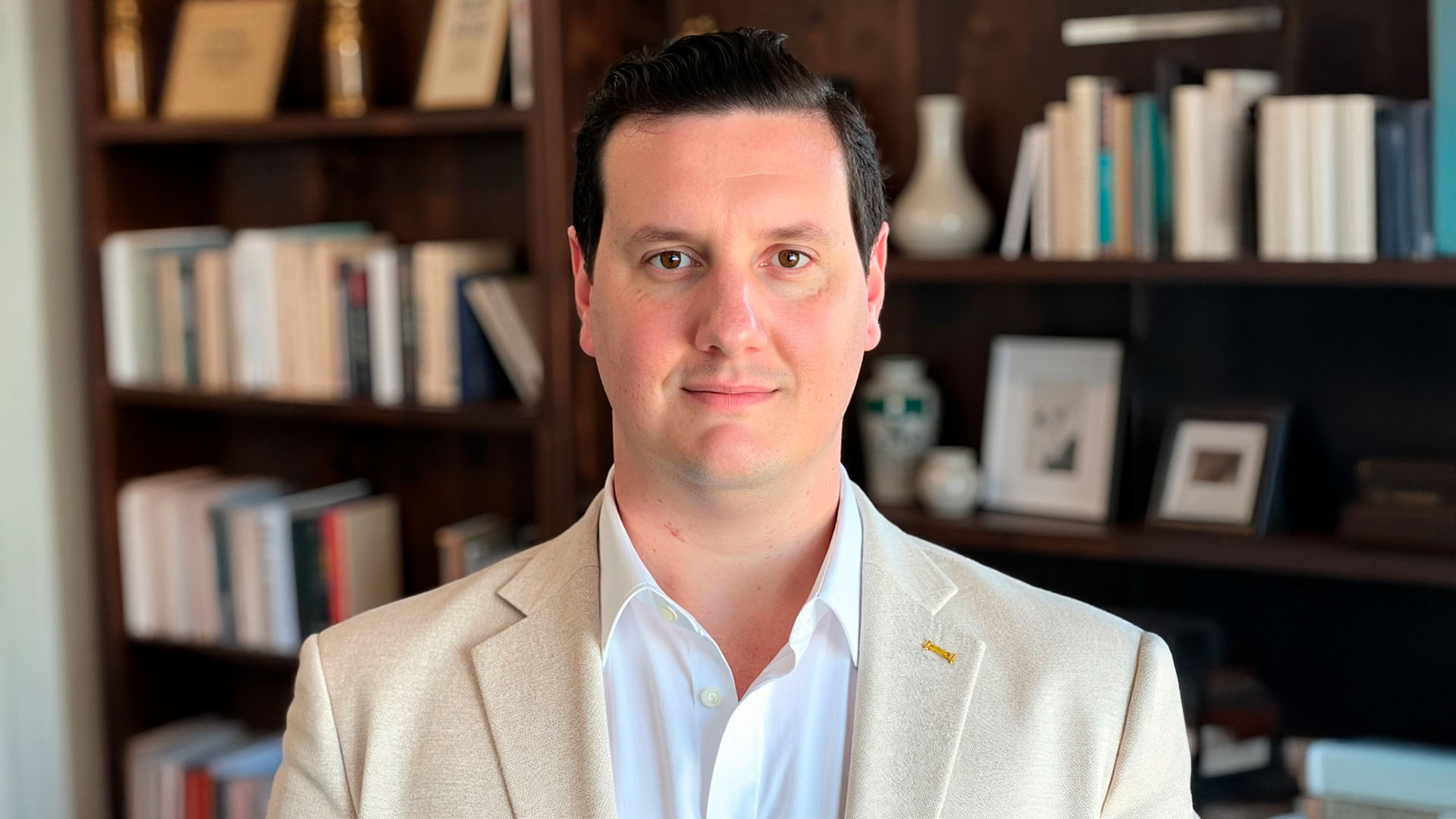
For Casey Zgutowicz, Executive Vice President at Lockton Companies, that disconnect is the real issue. “What I see most often isn’t really a misconception. It’s a misalignment,” he says. “Insurance can be off in its own silo. To truly maximize your insurance program, it must start with where your organization is today.”
That perspective reshapes what executives get wrong about insurance. Rather than treating commercial insurance as a standalone purchase, organizations should view it as part of a broader business strategy that aligns risk management, employee benefits, retirement advisory, and long-term growth objectives.
Insurance Should Follow Business Strategy, Not the Renewal Calendar
Many organizations build insurance programs by looking backward instead of forward. Coverage decisions are often based on what was purchased the previous year or what competitors are buying, even as the business itself evolves. Growth into new markets, acquisitions, product launches, workforce expansion, and operational changes all introduce new exposures. At the same time, companies may reduce risks by divesting business units or strengthening internal controls. “The process isn’t about determining whether things are right or wrong,” Zgutowicz says. “The beauty of conversations like this is we gain clarity together and determine what that company’s risk tolerance level is.”
This is why aligning risk management with business strategy becomes the foundation of effective program design. Rather than beginning with policies, the process starts by understanding business priorities, operational goals, and the key performance indicators that define success. From there, executives can identify coverage gaps, evaluate risk transfer options, and determine whether their current commercial insurance portfolio reflects the organization’s actual risk profile.
Closing Coverage Gaps Requires Better Questions
One of the biggest challenges is that many organizations have not formalized their risk strategy. Smaller and midsized companies, in particular, often lack a dedicated risk management function, making it difficult to identify emerging threats before they become costly. Instead of immediately discussing policy limits, Zgutowicz often begins with risk heat maps that assess both the frequency and severity of potential risks. The exercise encourages executive teams to slow down and evaluate threats that might otherwise remain hidden.
“Could these distract the business or even stop it in its tracks?” It’s a question that shifts thinking to help leaders understand how to close insurance coverage gaps before losses occur. It also creates a more informed discussion around reducing total cost of risk. Sometimes the outcome is purchasing additional protection because catastrophic exposures were underestimated. Other times, stronger operational controls justify retaining more risk and buying less insurance.
“There really isn’t one right or wrong way to buy insurance,” Zgutowicz says. “It’s the process of aligning business strategy with your risk and insurance strategy.” The same disciplined approach extends beyond commercial insurance into areas such as designing an employee benefits program, building a total rewards strategy, benefits benchmarking, retirement advisory, and even evaluating when a captive insurance model makes sense. Every decision should reflect the organization’s evolving objectives rather than historical habits.
Data and Analytics Turn Insurance Into a Strategic Asset
Insurance decisions are becoming increasingly data-driven, allowing organizations to move beyond intuition and benchmark their performance against meaningful market insights. Organizations now have access to claims trends, peer comparisons, industry benchmarks, and predictive analytics that provide a clearer understanding of both current and future exposures. Used effectively, this information strengthens program design while improving risk management outcomes.
“Our clients are making more informed decisions using hundreds of thousands of records,” Zgutowicz says. “Then we can move from asking what’s happening to understanding why it’s happening and how we’re going to improve it.” The result is more than stronger commercial insurance. Better analytics help organizations improve claims performance, strengthen contractual practices, optimize safety initiatives, and build internal risk management frameworks. They also provide valuable insight when structuring retirement programs for retention or evaluating broader employee benefits strategies that support long-term workforce objectives.
AI Is Creating New Risks That Traditional Policies May Not Cover
Artificial intelligence (AI) has introduced a new challenge for executive teams. Many assume their existing policies automatically address AI-related exposures, while others rush to purchase specialized AI insurance without fully understanding their actual risks. “Teams often assume their existing policies quietly cover all of this, or conversely that they need to rush and buy a new AI policy,” Zgutowicz says. “I think neither is really quite right.”
Instead, organizations should first understand how AI is being used throughout the business. Whether AI supports advisory functions, automation, or operational decision-making will influence governance requirements, contractual responsibilities, and ultimately the most appropriate risk transfer strategy. “Governance isn’t a substitute for insurance,” he says. “But weak governance absolutely erodes the coverage you think you might have.”
As policy language continues to evolve alongside emerging technologies, choosing the right insurance broker becomes increasingly valuable. Access to specialized analytics, industry benchmarking, and forward-looking guidance enables executive teams to make informed decisions instead of relying on assumptions.
Follow Casey Zgutowicz on LinkedIn for more insights.