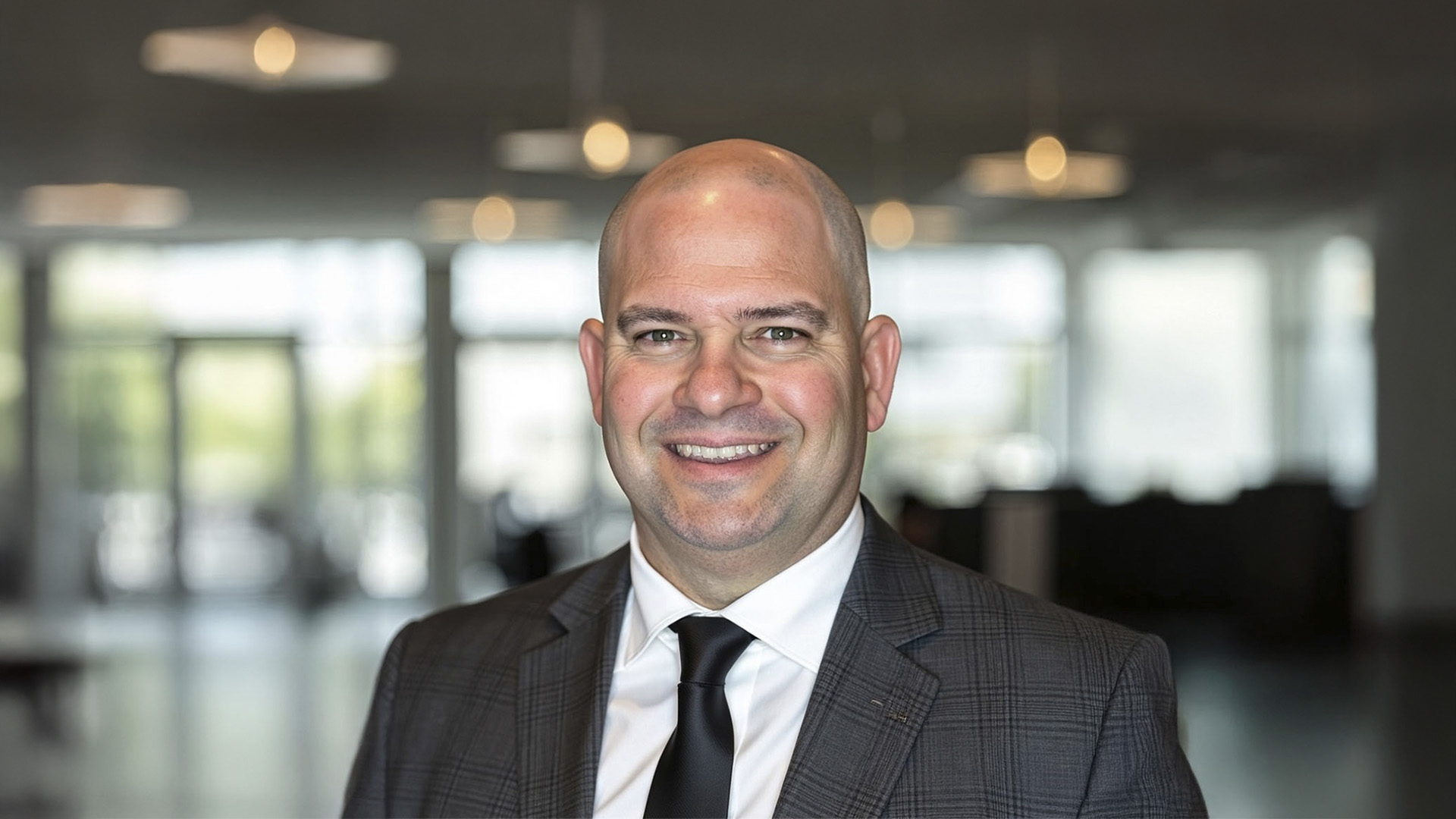

Business transformation is often discussed as a response to disruption. The organizations that achieve lasting success approach it differently. Rather than treating challenges as events to survive, they view them as opportunities to create long-term value. For Cindi Stevenson, Managing Director of Strategic Management at Insperity, that’s where meaningful transformation begins. “The difference is not the challenge itself,” Stevenson says. “It’s how you translate that into a clear narrative so that people can understand this is a crisis mindset, reactive short term, or an opportunity mindset, proactive long term.”
Over a career spanning more than 25 years, Stevenson has led transformative initiatives across operations, sales, and organizational development. By creating vision alignment and connecting enterprise priorities to measurable outcomes, she helps organizations move from uncertainty to organizational growth.
Reframing Challenges Through Strategic Clarity
Many leadership teams instinctively respond to business challenges with a crisis mindset. The focus shifts toward risk management, rapid reactions, and centralized decision-making. While necessary in true emergencies, that approach can limit an organization’s ability to identify new opportunities.
An opportunity mindset, by contrast, encourages leaders to view disruption as a catalyst for innovation. It creates space for broader ownership, proactive planning, and long-term value creation. This shift in perspective is often the foundation for enterprise alignment and sustainable growth.
Strategic clarity plays a critical role in this transition. When leaders clearly articulate priorities and desired outcomes, teams gain the confidence to act decisively. Rather than becoming consumed by the challenge itself, they focus on what can be achieved through it. For Stevenson, transforming business challenges begins with ensuring that everyone understands not only where the organization is headed but also why the destination matters.
From Vision to Execution
Even the strongest strategies fail when execution lacks structure. One of the most common obstacles organizations face is the disconnect between ambitious goals and day-to-day operations. Stevenson advocates a disciplined framework for moving from vision to execution. It starts by defining a small number of enterprise-level outcomes that represent meaningful business results rather than activities. Those outcomes are then translated into function-specific contributions, ensuring that every team understands how its work supports broader objectives.
“Transparency builds trust,” she says. Shared key performance indicators (KPIs), dashboards, and regular leadership reviews establish a common operational framework for enterprise-wide transformation. When decisions, priorities, and metrics remain visible across the organization, alignment becomes easier to sustain. This approach is particularly valuable when aligning strategy across complex organizations, where competing priorities can quickly create fragmentation.
Why Cross-Functional Alignment Stalls at Scale
As organizations grow, cross-functional collaboration often becomes more difficult. Teams develop separate priorities, reporting structures, and measures of success. Without intentional coordination, enterprise-wide initiatives can lose momentum.
Stevenson’s approach focuses on creating a single operating rhythm that keeps leaders connected to the same objectives. Shared visibility into performance metrics allows teams to identify dependencies early and address conflicts before they become obstacles.
Governance also plays a critical role. “Effective governance is not about control. It’s about the speed and clarity of decision-making at scale.” By establishing clear decision forums, defining accountability, and linking strategic objectives to operational performance, organizations create an environment where leadership development, operational excellence, and collaboration reinforce one another.
Sustaining Momentum Through Change
Large-scale transformation doesn’t happen through a single initiative. Most organizations are managing multiple priorities simultaneously, which can create significant change fatigue. Stevenson believes successful leaders recognize that not everything can be strategic at the same time. They prioritize ruthlessly, pause lower-value work, and sequence change efforts so teams have the capacity to absorb them effectively.
Small wins and measurable milestones help maintain engagement and reinforce momentum. Additionally, employees are more likely to stay committed when they can see tangible evidence that change is producing results. Organizations that master this balance create resilient teams capable of leading through complexity with purpose. They also establish the foundation for turning strategic plans into measurable results over the long term.
Stevenson’s career demonstrates that lasting transformation is rarely driven by dramatic change alone. It is built through strategic clarity, consistent execution, and a commitment to helping people understand how their work contributes to a larger vision. When those elements come together, business challenges become far more than obstacles. They become catalysts for opportunity.