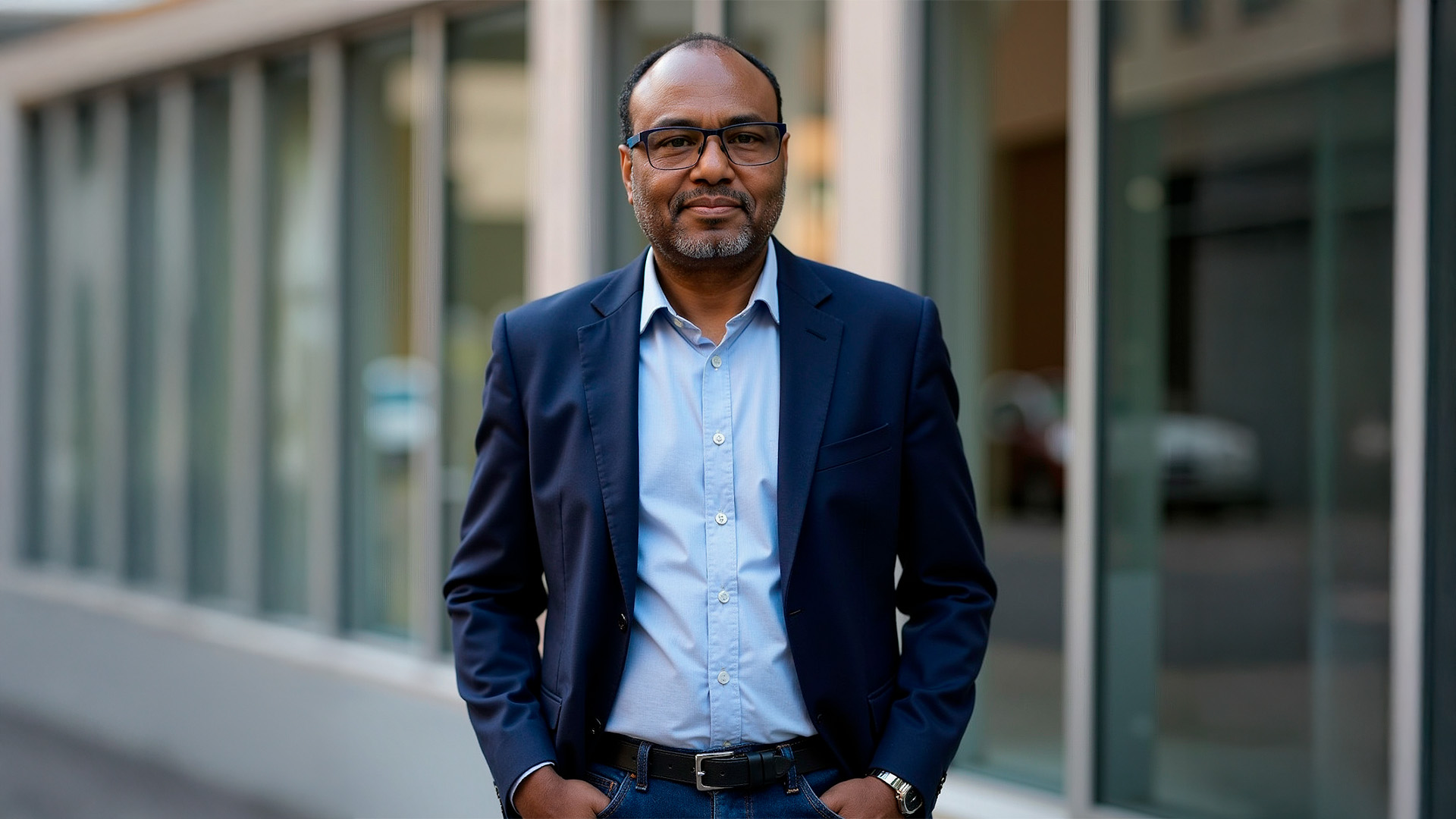

Many organizations chase innovation through new systems or technology, yet fail because teams are disconnected or overwhelmed by initiatives. When purpose, culture and behavior align, companies reduce wasted effort, avoid duplicated projects and deliver solutions that improve safety, productivity and long-term value. “Sustainable innovation means people being clear about the why for what they’re doing and people feeling part of an organization so that they’re allowed to experiment,” says Kanthi Ford, a strategic cultural and change consultant. Innovation becomes sustainable when curiosity and collaboration sit alongside strategic priorities, allowing ideas to travel across borders, functions and hierarchies. For Ford, the ability to innovate consistently is as much about human behavior and cultural safety as strategic design.
Inclusion as a Catalyst for Innovation
“Every region was a silo,” she says, a reminder of how disconnection limits shared learning and slows progress. She has seen similar patterns across industries where organizations invest in innovation through systems or restructuring, only to lose momentum because people do not feel connected to decisions or included in shaping them. One example she returns to is an engineering firm where international teams worked in isolation, making it difficult to translate good ideas across regions or respond consistently to emerging risks. To address this, the leadership put inclusion at the centre of its transformation, introducing psychological safety and cross regional collaboration as core expectations rather than optional add ons. Engineers, compliance specialists and frontline staff were brought together in mixed teams to challenge assumptions, surface blind spots and test ideas that had previously been overlooked. “They could talk about their ideas, surface the risks they’re experiencing and look at the ideas that have been ignored in the past and not be afraid,” Ford says.
As these teams learned from one another, innovation shifted from a series of disconnected efforts to shared practice. Insights began traveling faster across borders and functions, strengthening performance and reducing duplicated work. Innovation became a collective endeavor rather than a competition for visibility. “If you don’t have the people bought in before you involve the systems, you’ll only get some buy in,” she says. Sustainable innovation depends on cultural alignment first and operational alignment second.
Aligning Purpose with Performance
If organizations struggle to innovate at pace, Ford traces the issue back to a weak connection between purpose and performance. Leaders introduce initiatives without articulating why change matters. Employees then focus on what they think is required rather than what drives value. “When organizations start to think about the need to change, and, people don’t understand why,” she says, “the result is a meeting culture where “meetings about meetings” replace meaningful progress. Effort multiplies while value stagnates. Teams are left busy but directionless”.
To maintain alignment, Ford encourages leaders to reward behaviors that support experimentation and collaboration. Organisations that celebrate adaptive learning outperform those that reward hierarchy or risk avoidance. “So often I work with senior teams who say all the right things, but then they don’t actually live up to it in practice.” Measuring what matters also drives discipline. Long term KPIs and team-level targets encourage collective ownership, while individual metrics can create competition that undermines collaboration. Introducing performance indicators that reinforce shared goals helps innovation thrive across boundaries.
The Role of Clarity and Simplicity in Sustainable Innovation
Innovation falters when leaders overcomplicate priorities or launch competing initiatives. Ford sees this pattern regularly and believes simplicity is essential. “If you have multiple initiatives launched at the same time and people don’t understand the unifying purpose, you end up with complete noise. So keep it simple and move fast and that way you will get results.” The why behind any transformation anchors people to what matters. When individuals understand, they will prioritize effectively, experiment with confidence and support collective progress. Sustainable innovation is cultural, behavioral and human. Ford’s work demonstrates that clarity of purpose and simplicity of execution to allow innovation not just to spark, but to endure.
For insights, collaboration or consulting inquiries, connect with Ford on LinkedIn, visit her website or get in touch via email.