
Boards are often viewed as oversight mechanisms designed to minimize risk and protect companies from failure. The strongest boards, however, are deeply connected to the businesses they oversee, meaning they understand the operational realities shaping decisions long before crises emerge.
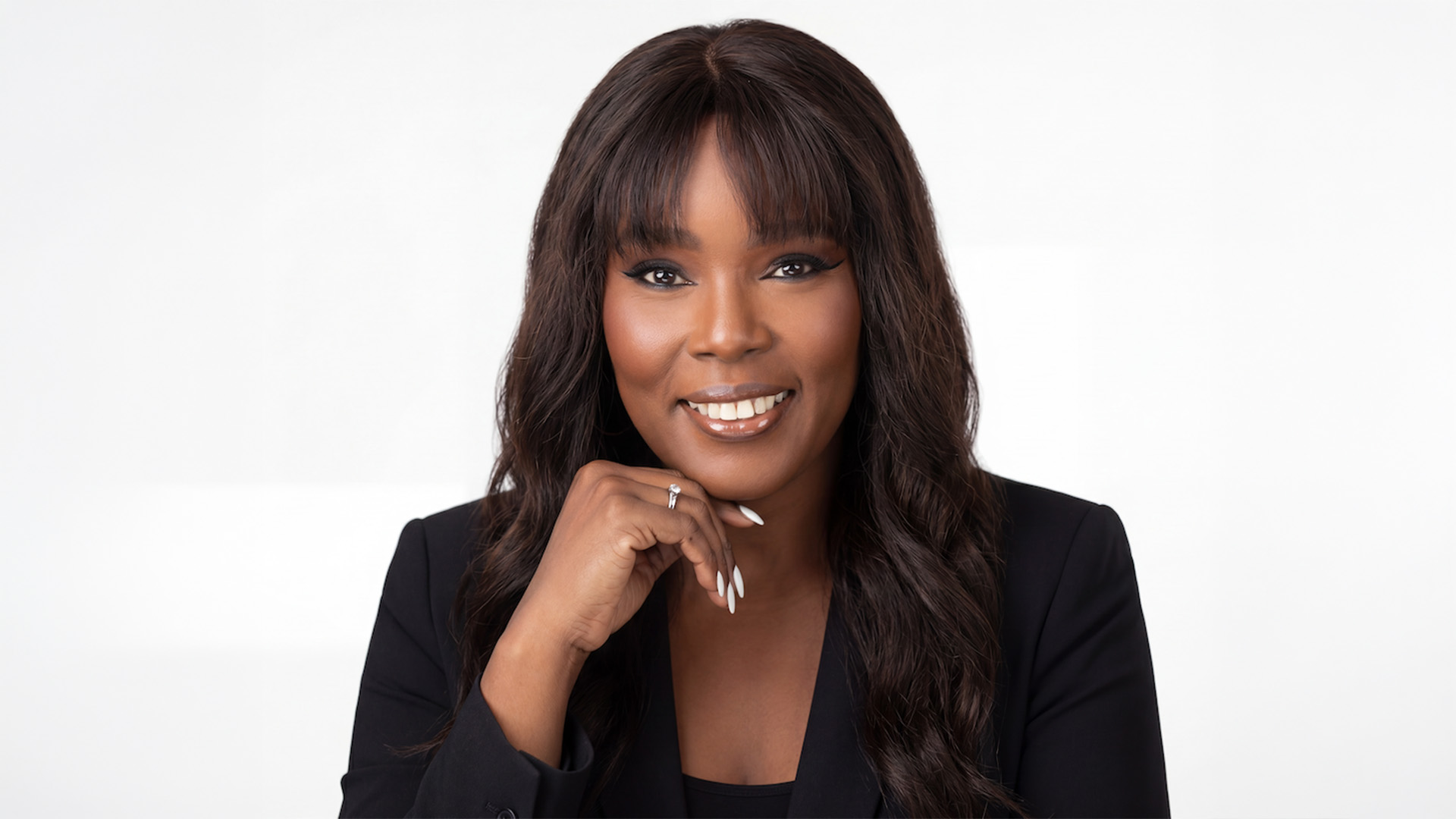
“When governance is working properly, you can literally feel it,” says T’Juana Albert, Vice President (VP) of Business Integration and Assurance at GumGum. “Boards should not be there to rubber-stamp leadership or slow things down through bureaucracy. They exist to bring clarity.” For her, organizations outperform when governance evolves from symbolic oversight into an active operational advantage.
That matters more than ever as organizations navigate accelerated AI adoption, growing regulatory pressure, and heightened public scrutiny. Albert, whose career spans global mergers and acquisitions (M&A) integration, artificial intelligence (AI) governance, legal operations, and compliance strategy, argues that companies with strong governance structures move faster precisely because they have already built trust, alignment, and operational discipline into the system.
Governance That Operates Inside the Business
“There’s a rhythm between challenge and trust where the executives aren’t defensive and the directors are not distant,” she says. “You see faster decisions, not slower ones, because the groundwork has already been done.” At one company Albert worked with previously, board members regularly spent time with employees outside formal meetings, joining staff lunches and walking through offices to engage directly with the people operating the business.
“That made them exceptional to me,” Albert says. “They got to see the diversity (or lack thereof) in the rooms they were representing.” The impact extended beyond optics. Operationally engaged boards gain access to insights unavailable in quarterly slide decks. Informal conversations often reveal friction points, cultural dynamics, and emerging risks before they become measurable business problems. She believes this why many leaders avoid this level of interaction because it puts them in a vulnerable position. “When you know you are building something great, you don’t have those insecurities,” she says. “A strong board has its finger on the pulse of the business.”
Representation Alone Falls Short
Board diversity initiatives have expanded significantly over the past decade, particularly across the technology sector. Yet Albert believes many organizations stopped at representation. “Diversity of presence and diversity of influence are two different things,” she says. “The gap between them is where well-intentioned efforts fail.”
Many boardrooms are still environments where the same three dominant voices continue shaping outcomes despite more diverse representation around the table. In those cases, inclusion becomes performative rather than operational. “Boards are not panels,” she says. “It’s not a panel discussion where the same people dominate every meeting.” High-performing boards intentionally create structures that distribute participation more evenly, especially during periods of pressure and disagreement.
Organizations often underestimate how quickly disengagement spreads when individuals are invited into conversations, but their perspectives are never integrated into decision-making. “If a person’s perspective is invited but never really integrated, people notice and they start to disengage,” she says. The companies that succeed are the ones that redesign the decision-making architecture itself, not simply the composition of the room.
Turning Pressure Into Competitive Advantage
Albert believes governance quality becomes most visible under pressure. Weak structures create hesitation, internal conflict, and organizational bottlenecks. Strong governance accelerates execution because expectations, escalation paths, and risk tolerances are already aligned. “Pressure is going to expose what’s already true,” she says. “If your governance is weak, pressure is going to slow things down because people are reacting, second-guessing, and trying to protect themselves.”
This challenge has become especially pronounced inside technology companies where innovation cycles move faster than traditional governance frameworks. “You can’t expect people to move fast if the board and leadership team haven’t made decisions quickly themselves,” Albert says.
One of the most common breakdowns she sees involves misalignment around risk tolerance. Without clear legal and operational guidance, organizations become divided between leaders pushing for speed and stakeholders focused on minimizing exposure. “You have to have clear escalation paths, defined principles, and alignment on risk tolerance,” Albert says. “Without that alignment, you’re going to have challenges.”
The consequences extend externally as well. Investors, regulators, and acquisition partners increasingly evaluate how organizations govern themselves during moments of scrutiny. Strong governance builds institutional credibility, creating more room for companies to operate confidently under pressure.
The Next Governance Challenge Is Already Here
Albert believes AI governance represents the next defining leadership challenge, and most boards remain unprepared. “Most boards are not equipped to govern AI accountability, downstream operational impact, and the ethical implications of the tools already inside their organizations,” she says. She points specifically to the rise of shadow AI, where employees adopt AI tools faster than organizations develop policies to govern them. In many companies, boards are still treating AI as an innovation conversation rather than a structural governance issue.
Future-ready organizations will distinguish themselves through intellectual humility at the leadership level. “They’re going to have to be willing to say, ‘I need expertise in the room that I don’t currently have,’ and then actually structure for it,” she says. For Albert, the companies best positioned for the future are already asking difficult questions before regulators force the conversation. Governance, in that sense, becomes less about protection and more about preparedness.