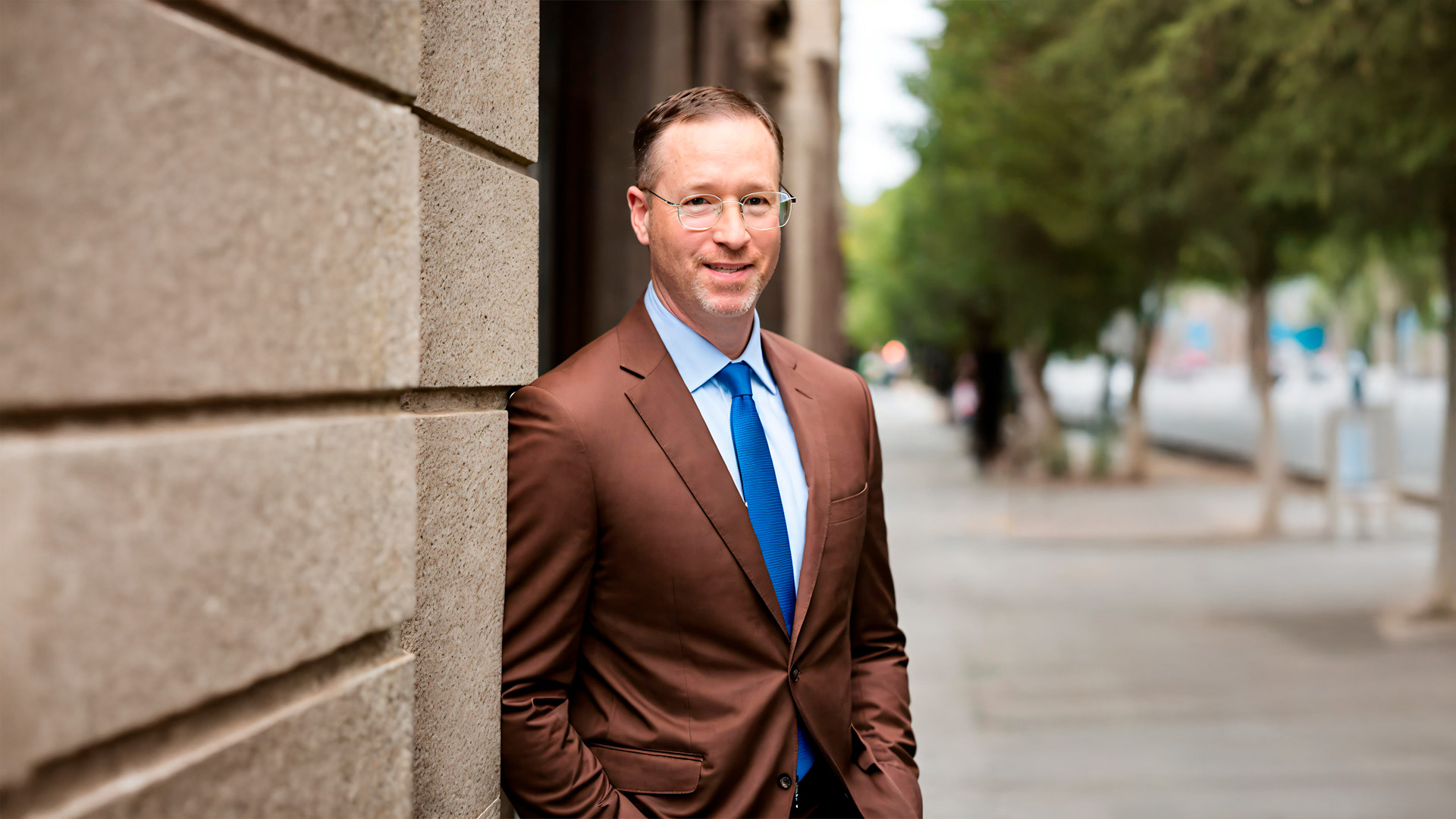

Scalable veteran employment requires a cultural shift in how military careers are understood. If the value of veterans is made visible, demand follows. The challenge of translating military experience into civilian employment has persisted for decades, yet few have worked as consistently to resolve it as Hugh Andrée. A former British Army Captain trained at Sandhurst, he spent more than a decade in uniform before moving into senior leadership roles in the corporate world. In 2009 he founded ForceSelect, one of the first organisations to build structured pathways into industry for service leavers, followed by the creation of weServed, which now supports veterans, spouses and families across the employment landscape.
Having advised policymakers and worked alongside the UK government to improve perceptions of ex‑service personnel, Andrée remains focused on reframing how employers understand military talent. “Someone who has not served in the military would not understand what a military person does. It is up to us to translate the military skills and experience an individual has gained and apply it to the civilian workplace,” he says.
The Overlooked Value of Military Experience
Misunderstanding sits at the heart of veteran underemployment. Andrée identifies transferable skills as the first sticking point. While military roles come with deep expertise in logistics, engineering, leadership and risk management, these capabilities often go unseen by hiring managers unfamiliar with military life. The humility of service amplifies the gap, with veterans rarely presenting their considerable achievements as accomplishments. “Self‑promotion is often a bit of a challenge,” Andrée says, recalling a soldier who described driving convoys under fire at night as “just my job” when asked about her most demanding task.
Corporate hiring processes further complicate the transition. Most veterans have never interviewed for a job, having instead been graded and assigned new responsibilities based on delivery and potential. In negotiation scenarios they can undervalue themselves due to the fixed pay structures of military service. Bridging the gap caused by these mismatches between expectation and experience is the starting point for developing successful and scalable models that meaningfully address veteran unemployment.
Building Connectivity That Reduces Friction
Technology also plays a key role in scaling these approaches. It enables reach, while strong links between veteran communities, employers and specialist providers ensure that opportunities translate into real outcomes. Platforms need to be easy to use for both employers and job seekers. “The user journey needs to be slick and efficient. It has to work both ways,” he explains.
On the weServed platform, tailored advice on CV writing and clear explanations of industry sectors give veterans practical tools to present their experience in terms employers recognise. This guidance not only boosts confidence but helps applicants target roles that genuinely align with their skills. The platform also lists more than a thousand vacancies, enabling veterans to apply directly and have their CVs automatically submitted to employers, speeding up access to opportunities.
For employers, the economic model is designed to support scale. Instead of paying per hire, organisations advertise unlimited roles for a fixed monthly fee. “We currently have one employer that has 700 jobs so they only need to hire one person and they save the recruitment fee.”
Creating Pathways That Recognise Contribution
For veteran employment to be sustainable at scale, organisations need an internal culture that genuinely understands what military experience brings, as well as the support veterans may need as they adjust to new environments. Andrée outlines three practical steps for employers:
1. Identify employees with military backgrounds who can act as trusted points of connection. This establishes internal advocates who can ease the transition into civilian work.
2. Introduce mentoring arrangements that guide veterans without forcing assumptions about their past to ensure guidance is structured and respectful of individual experience.
3. Create development pathways that not only build skills but also provide tangible recognition for contribution. This turns opportunity into progression, making it clear that advancement is linked to performance.
Using Technology to Unlock Global Reach
Artificial intelligence has expanded what is possible in recruitment, and for Andrée its greatest value in veteran employment lies in democratising access to opportunity. “A platform is all about power and friction. Creating more opportunities from more employers across more geographies while making them easier to access by reducing friction,” he says. AI‑driven interviewing tools now screen high‑volume applicants simultaneously. “A bot can interview 500 people at the same time,” Andrée explains, listing key qualifying questions such as driving licences, hours and location. Crucially, the technology provides feedback to unsuccessful applicants within a day, advising them on how to improve. The combination of reach and response moves recruitment from a process of rejection to one of guidance.
Making Veteran Employment Sustainable
Veteran employment only delivers meaningful outcomes when it works at scale, and scale relies on whole‑society collaboration. “Engage with specialist staffing providers to create a seamless user experience, less friction and an overall better user journey.” Their insight helps organisations translate military skills with accuracy, ensuring support goes beyond hiring and into long‑term retention. When translation works, the effects are tangible across the employment landscape. Recruitment becomes quicker and more consistent, employers gain resilient and adaptable talent, and service leavers secure roles that reflect both their capabilities and ambitions.
Follow Hugh Andrée on LinkedIn, If you want to access veterans, their spouses or family members from a UK community of 5.1million, or supply services and products please contact weserved.com for further information.