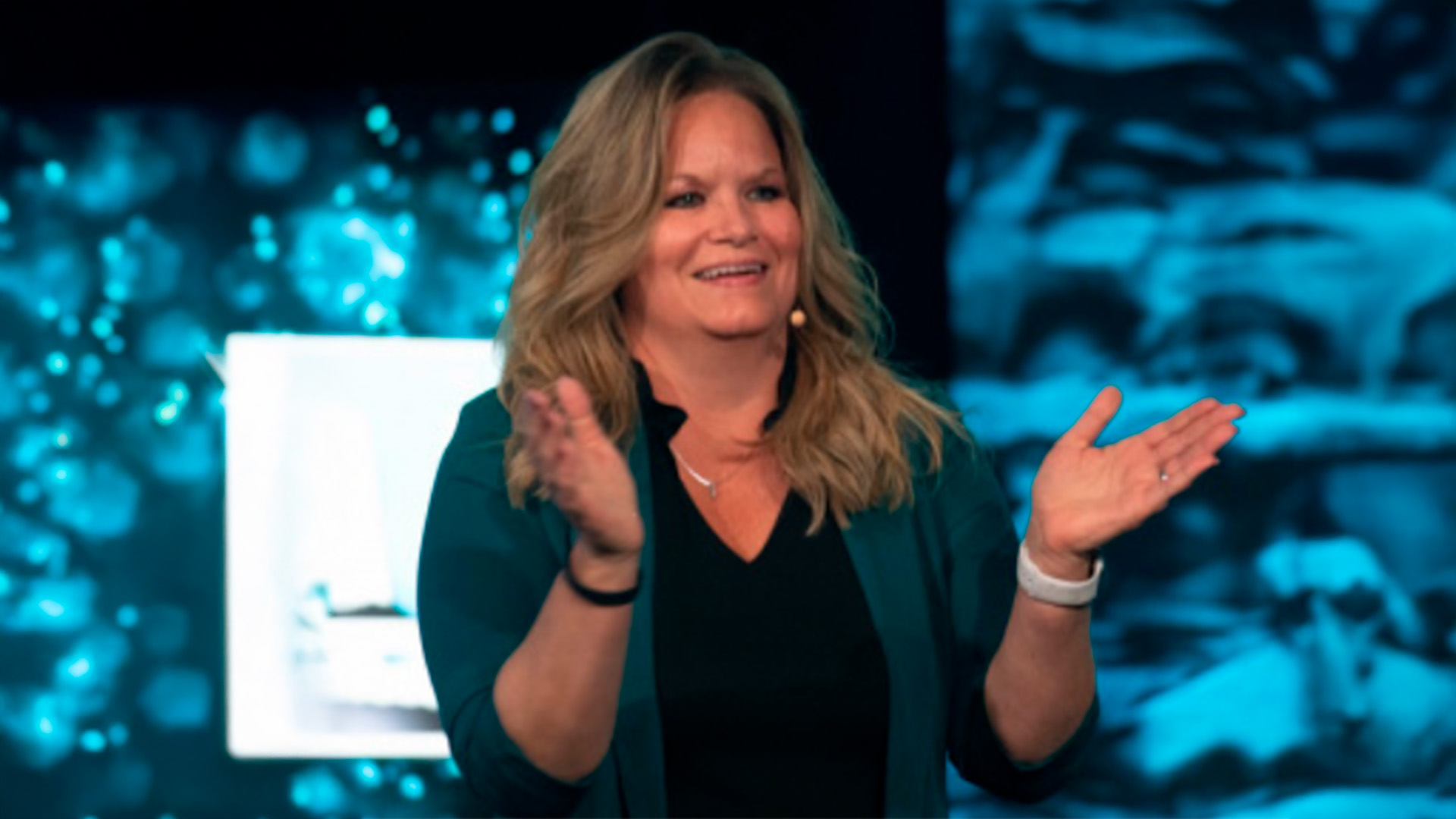
Lori Muller’s career points to a different starting point for strategic planning for brokerage owners: a shift from chasing deals to building relationships and repeatable systems that underpin brokerage growth and a long-term vision. “The sustainable side of real estate and success is not just built on the transaction, but it’s built on the people and the process behind it,” says Muller, President of Fathom Realty.
She’s spent more than three decades shaping real estate leadership from the ground up. Her early transition from individual agent to team builder marked a turning point, enabling her to create scalable operations that no longer depended solely on her output. Today, her focus centers on how real estate executives plan for long-term growth by aligning people, systems, and strategy into a cohesive model that can withstand market shifts and position brokerages for expansion or acquisition.
Aligning Systems With Vision
When entering an organization, Muller likes to look beyond outdated systems to uncover deeper issues. “Outdated systems aren’t just operational problems; they usually are symptoms of misalignment, lack of accountability, or fear of change.” Rather than immediately replacing tools or processes, she evaluates the people and the organization’s willingness to evolve. “Is the system really serving our people or are our people serving the system?” Muller is able to eliminate what no longer adds value and rebuilds around the company’s long-term vision, ensuring that every operational decision supports brokerage growth and market resilience. This approach is especially relevant for firms preparing for mergers or franchise expansion, where fragmented systems can undermine valuation and integration.
Leadership as a Scalable Asset
Leadership, in Muller’s view, is not an inherent trait but a deliberate discipline. “Leadership can absolutely be taught, but it has to be chosen first.” Her emphasis on discipline over natural ability reflects a broader philosophy of purpose-driven leadership. High-performing brokerages are not built on individual talent alone, but on leaders who commit to continuous development and take responsibility for the growth of others.
She points to a pattern she’s observed across successful organizations. Leaders who invest in self-awareness, learning, and structured development create environments where teams can scale. This becomes a competitive advantage, particularly in periods of market uncertainty, where retention strategy and culture determine whether a brokerage expands or contracts. The implication for real estate leadership is clear: building a scalable real estate brand requires leaders who see their role not as operators, but as multipliers of people and performance.
Balancing Technology and Human Connection
As the industry accelerates its adoption of technology, Muller warns against over-engineering growth strategies. “Technology should really enhance the relationships, not replace them.” Real estate remains a relationship-driven business, and brokerages that prioritize platforms over people risk eroding the very loyalty they seek to build. Muller identifies three factors that consistently drive retention and attraction: how people feel, how they are supported, and how they are seen.
This perspective challenges a purely data-driven approach to decision-making. She contrasts “spreadsheet leaders” with what she describes as a “we-organizational” mindset, where decisions are evaluated based on their impact on the people being served. For broker-owners, the takeaway is not to abandon innovation, but to integrate it thoughtfully. Strategic planning for brokerage owners must balance efficiency with connection, ensuring that growth does not come at the expense of culture.
From Agent-Centric to Experience-Driven Models
A deeper shift is underway in the industry, one that will define long-term success in real estate leadership. Muller describes a move away from agent-centric models toward integrated ecosystems centered on the consumer experience. “For years, the industry has always been built around agents. But what’s happening now is the shift toward ecosystems where support, systems, training, branding, financial structure, leadership, and client experience all work together simultaneously.”
This evolution changes how brokerages think about value. Instead of focusing solely on splits, tools, or incentives, leading firms are building environments where every component contributes to a seamless client experience. The divide is widening. “The gap is really between those who build intentionally and those who are operating transactionally.” For brokerages aiming to position themselves for mergers, acquisitions, or sustained expansion, this shift demands a reorientation of strategy. Success will depend on the ability to connect operational excellence with a clear purpose and a client-first mindset.
The Ripple Effect of Strategic Leadership
The consumer is the ultimate client. By investing in agents through leadership, training, and support, brokerages create a ripple effect that elevates the entire experience. “If we provide better services and leadership to our agents, the ripple effect is then they’re going to be able to provide that better service and experience to the consumer.”
This cascading impact underscores why strategic planning, retention strategy, and purpose-driven leadership are inseparable. Brokerages that align these elements are better positioned to navigate change, scale sustainably, and build lasting brands. Muller’s approach offers a clear framework: prioritize people, build systems that serve a larger vision, and lead with intention.