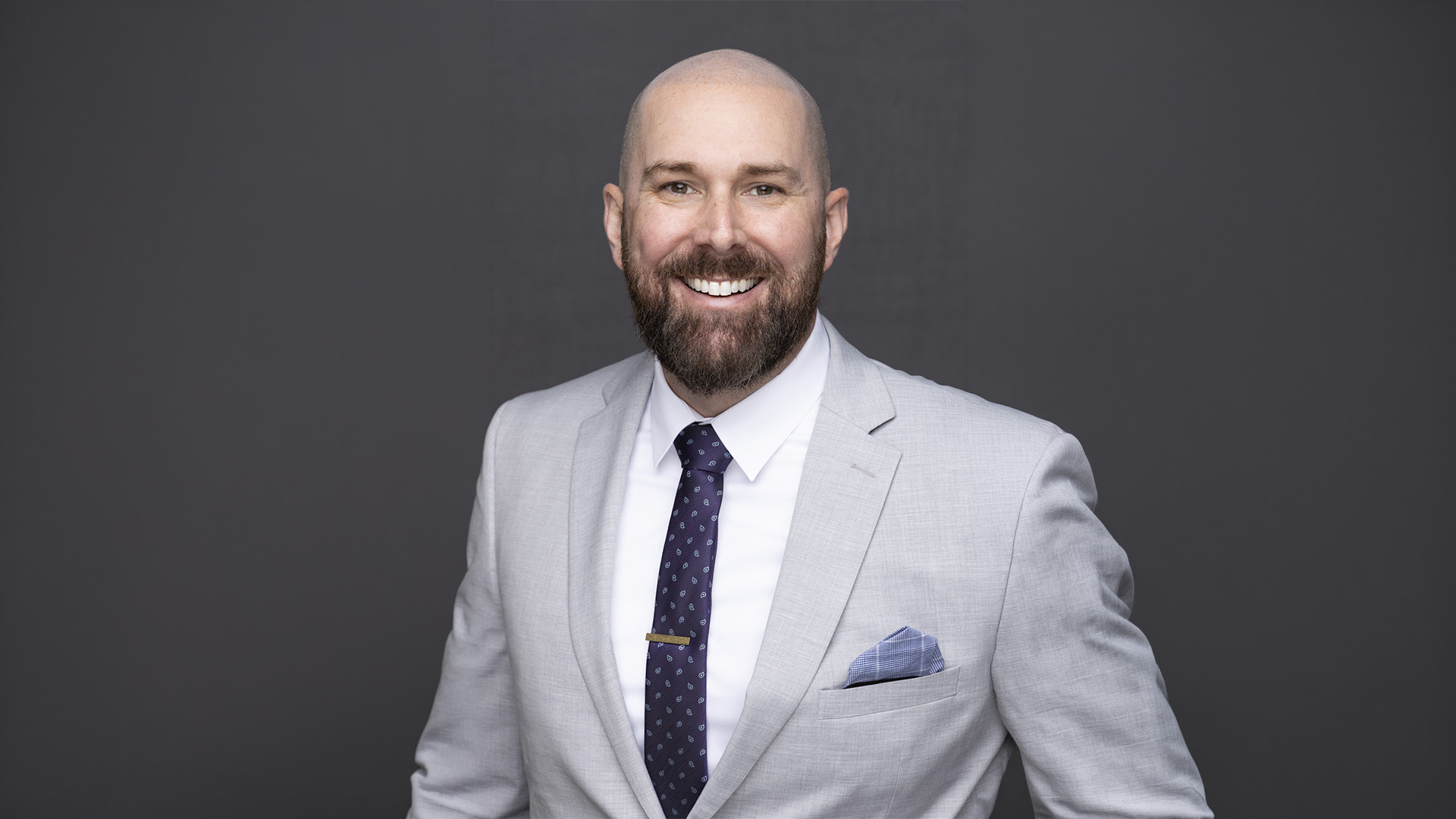

A legacy brand carries an asset most startups would pay dearly for: decades of name recognition, distribution relationships, and proof that the business once worked. It also carries a liability that rarely appears on any balance sheet, which is the collective memory of how things have always been done. Micah Swick, managing partner at Bernards, has spent his career walking into companies that have some measure of past success and a present-day problem, and his read on why most revitalization efforts stall is uncomfortable for boards that prefer to talk about strategy. The obstacle is rarely the market. It is the people already inside the building, and the leader who arrives convinced he already knows the answer.
Treat the Turnaround Like a Startup, Not a Repair Job
Swick’s first move in any repositioning is to strip the company back to zero and rebuild the case for its existence. Not refresh it. Rebuild it. “I really believe that when you’re reinvigorating a brand, when you’re trying to take a legacy product or a legacy company and reestablish it in the marketplace, you really have to look at and approach it as a startup,” he says. “Because if you don’t, there’s a tendency to hold on to some of the history, to fall back into old patterns, to do old things.” That means running the full sequence a founder would run. Where is the market positioning? Where is the white space? What are the right price points? What team is required? Which marketplaces to enter first? Where does the low-hanging fruit sit so revenue starts moving early?
The discipline here is not analytical; it is psychological. A leader who frames the work as fixing something is implicitly conceding that most of the existing structure stays. A leader who frames it as founding something has no such obligation, and every assumption becomes a decision rather than an inheritance. Swick was blunt about killing the language that props up the old model. “I remember in the early days of Bernards, the first few months or year I was here, saying, ‘I don’t want to hear that again. I don’t want to hear that’s what we’ve always done, or we can’t do that, or that’s not possible.'” Any reference to the past, any negativity or disbelief, had to go. That sounds harsh until you consider the alternative, which is a company that runs a startup’s analysis and then executes a legacy company’s plan.
The Resistance is Internal, And it is Not Usually Malice
The uncomfortable arithmetic of repositioning is that most of the existing staff will not make the journey. At Bernards, only two of the original employees remained from when Swick took over, and he is candid that it required complete staff turnover, more than once. He does not present this as a badge of toughness. “I’m a huge advocate and proponent for tenure and for keeping people and for retention, a huge advocate for rewarding people and maintaining a strong knowledgeable staff. But there are a lot of people that just aren’t up for the journey.” Many of them are good people who go on to strong careers elsewhere. They are simply tired, often because Swick is not the first outsider brought in to fix things. Some have already been through the exercise three or four times.
What makes the resistance so durable is that it is rooted in a defensible self-image. In most of the companies Swick has taken over, the organization had genuine wins in its history, and the people who stay feel some ownership of those wins while attributing the failures to others. That is not sabotage. It is a rational reading of one’s own record, and it is precisely why exhortation does not shift it. The practical response is triage. “You’ve got to recognize who you need most,” Swick says, because no incoming leader, however experienced, knows enough about a specific factory, a specific dealer base, or a specific industry to operate without help. A small number of people will get on board and become indispensable. Identifying them early, and concentrating time on them, is the difference between a turnaround with institutional knowledge and one without.
Ego is the Expensive Mistake, and AI is the Unexpected Equalizer
Ask Swick for the underrated lever behind the 300 percent revenue growth he has led through transformations, and he does not name a tactic. He names a posture. “Ego is dangerous, and it’s easy to come into a business organization, have been given the title and the responsibility for turning a company around, and believing that you are the answer. And the truth of the matter is, I’m not the answer. The leader is not the answer. It’s our job to find the answers.” He has watched capable executives from companies like Google and Amazon arrive feeling certain they did not need to ask questions, and he has never seen it work. His own experience at Bernards makes the point sharper. He had done this before, evaluated the market, taken an equity stake, and arrived with a plan. Within months, listening to his sales team, dealers, and customers, and confronting factory capacity and logistics realities, he found a bigger opportunity on a different path.
That same humility shapes his view of AI, where he departs from the conventional worry. Rather than eroding brand identity, he sees it as one of the greatest enablers of it. Furniture manufacturers have always supplied retailers with the same product photography, meaning competitors advertise with identical images across catalogues, websites, and commercials. Fifteen to eighteen years ago at Raymour and Flanigan, the fix was a multi-million-dollar photo studio built into the back of the warehouse, an option available to a billion-dollar company and almost nobody else. AI collapses that barrier. A retailer can now generate brand-specific imagery and regenerate it cheaply for different segments: urban buyers in a city like Denver versus suburban and rural customers driving in. Swick’s caution is about pace, not ambition. He distinguishes between turning a failing company upside down and layering capability into a healthy one and warns that today’s AI pricing is subsidized and unlikely to stay where it is.
Follow Micah Swick on LinkedIn for more insights on brand revitalization, turnaround leadership, and modernizing legacy product companies.