
As companies face accelerating change driven by technology, competition, and evolving customer expectations, the role of the operational leader responsible for execution is also evolving. While the integrator’s job remains rooted in structure and accountability, the way those principles are applied has shifted significantly as organizations navigate AI adoption, remote work dynamics, and rising pressure to move faster.
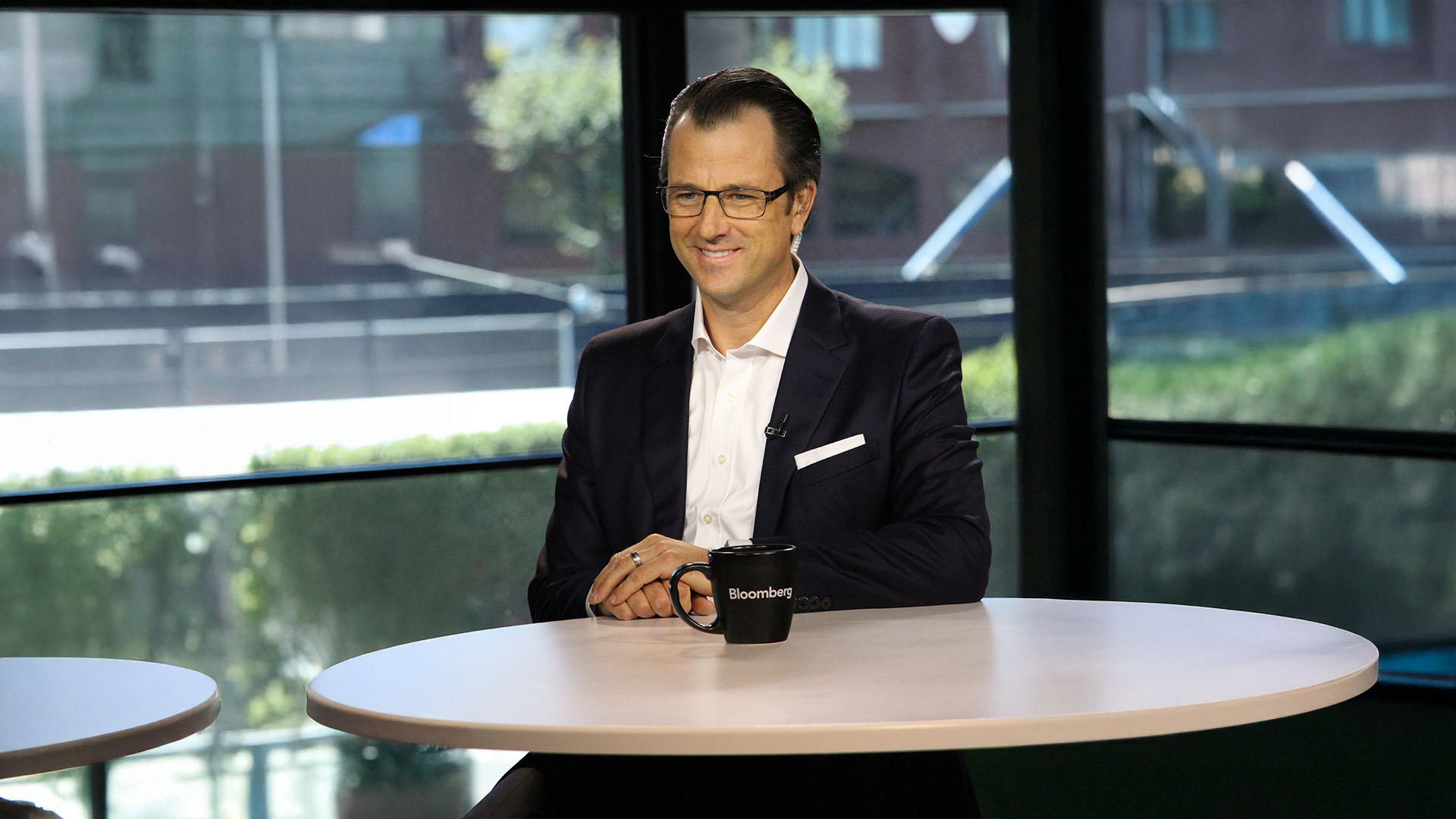
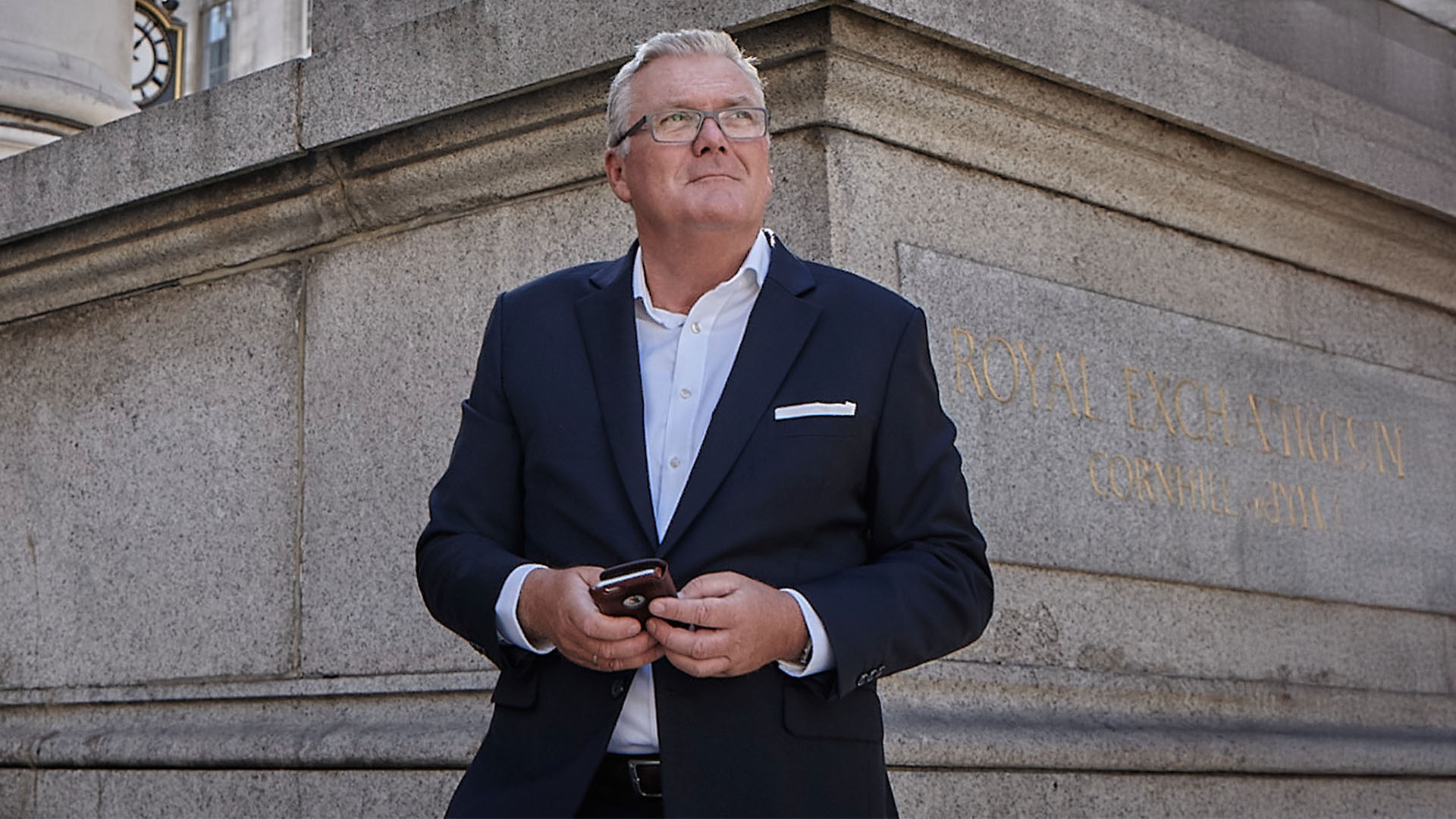
Noah Boudreaux, Chief Operating Office (COO) at MESH and an Entrepreneurial Operating System (EOS Integrator, has spent decades translating strategy into operational systems that scale. From his vantage point, the pace of change is reshaping how organizations set goals, adopt new technologies, and align teams around execution. “The speed of everything around us has changed,” Boudreaux says. “Competition, industries, the environment we work in. As an integrator, you have to be far more adaptable than before.”
Shorter Planning Horizons, Stronger Execution
The EOS, a management framework used to align vision, execution, and accountability across a company, traditionally organizes business planning around long-term milestones: 10-year visions, five-year plans, and annual targets. While Boudreaux remains a strong advocate for the system, he has adapted how those timelines are applied in practice. “Setting goals too far in advance just isn’t realistic anymore,” he says. “We’ve shifted to focusing much more heavily on one- and three-year goals because that better reflects the pace of change around us.”
The shift does not reduce ambition – organizations still define long-term vision. The difference lies in how teams operationalize that vision. By concentrating on shorter horizons, companies can respond quicker to shifting market signals, while keeping teams aligned around achievable targets.
Boudreaux describes this approach as becoming “an agile user of EOS.” The framework still provides the structural backbone for decision-making, but leaders must adjust how rigidly they apply certain components. “The structure is extremely valuable,” he says. “But you also have to move with the waves of how things are changing around you.”
The Hidden Friction in AI Adoption
Few technologies have generated as much executive excitement as artificial intelligence (AI). Yet inside organizations, integrating AI into daily operations often proves far more difficult than leaders expect. “AI usage is not the goal,” Boudreaux says. “It’s the means to the goal. The real question is how it helps you achieve your business objectives.”
The biggest obstacle is not technology but adoption. Organizations frequently deploy AI tools with the expectation that employees will immediately become more productive. Instead, many teams struggle to understand how to use them effectively. “You can’t just throw a tool at people and assume everyone will jump in and become more productive,” he says. “It doesn’t work that way.”
Without clear guidance, uncertainty spreads quickly. Employees may question what they are allowed to input into tools, how the technology fits into their role, or whether AI adoption signals workforce reductions. To avoid these pitfalls, Boudreaux stresses the importance of establishing guardrails early. Companies must define how AI will be used, where it fits into workflows, and why the organization is adopting it in the first place.
Transparency plays a central role. “If people don’t understand the intent, they start filling in the blanks themselves,” he says. “And that’s where resistance starts to build.” Culture ultimately determines whether AI initiatives succeed. As Boudreaux notes, “Culture eats strategy for lunch.” If employees are unsure or skeptical, productivity can actually decline as they attempt to reconcile new tools with unclear expectations.
Three Operating Practices That Drive Traction
Despite rapid technological change, Boudreaux believes the fundamentals of operational leadership remain consistent. Technology may accelerate execution, but the systems that guide teams still depend on discipline and human relationships.
The first practice is committing to process. EOS provides a structured framework that includes meeting cadences, performance scorecards, and clearly defined responsibilities. Abandoning those systems in favor of ad hoc tools often creates an illusion of progress without real results. “If you move too far away from the process, it can feel like you’re making movement,” Boudreaux says. “But you’re not really gaining traction.”
The second practice involves shifting from individual accountability to a culture of accountability. Instead of relying solely on managers to enforce performance, organizations should encourage teams to hold one another responsible for outcomes. “When people feel a sense of belonging and ownership, they want to be accountable,” he explains. “That dynamic is much more powerful than top-down enforcement.”
The third practice centers on relationships. The integrator must maintain strong alignment with the company’s visionary leader while also building trust across teams responsible for execution. “The relationships carry so much weight,” Boudreaux says. “If trust is there, people understand that the changes you’re introducing are meant to help the organization succeed.”
Leading Human and AI Teams
Looking ahead, Boudreaux expects the integrator role to expand rather than diminish as AI becomes more embedded in operations. Many operational tasks will be automated, giving leaders faster insight into performance metrics and operational health. At the same time, a new management challenge will emerge as companies begin overseeing blended workforces made up of both people and AI agents. “In a few years, many people will rely on AI to do work on their behalf,” Boudreaux says. “They’ll be overseeing it and orchestrating it rather than doing every task themselves.”
That shift raises new questions around responsibility and oversight. “If 40% of your workforce is automated, who is accountable when something goes wrong?” he asks. For Boudreaux, the leaders who thrive will combine technological fluency with deeply human leadership skills. Relationship building, culture creation, and clear accountability structures will only become more important as automation increases. “Someone who understands technology but still leads with strong human instincts will have a major advantage,” he says.
Follow Noah Boudreaux on LinkedIn for more insights.