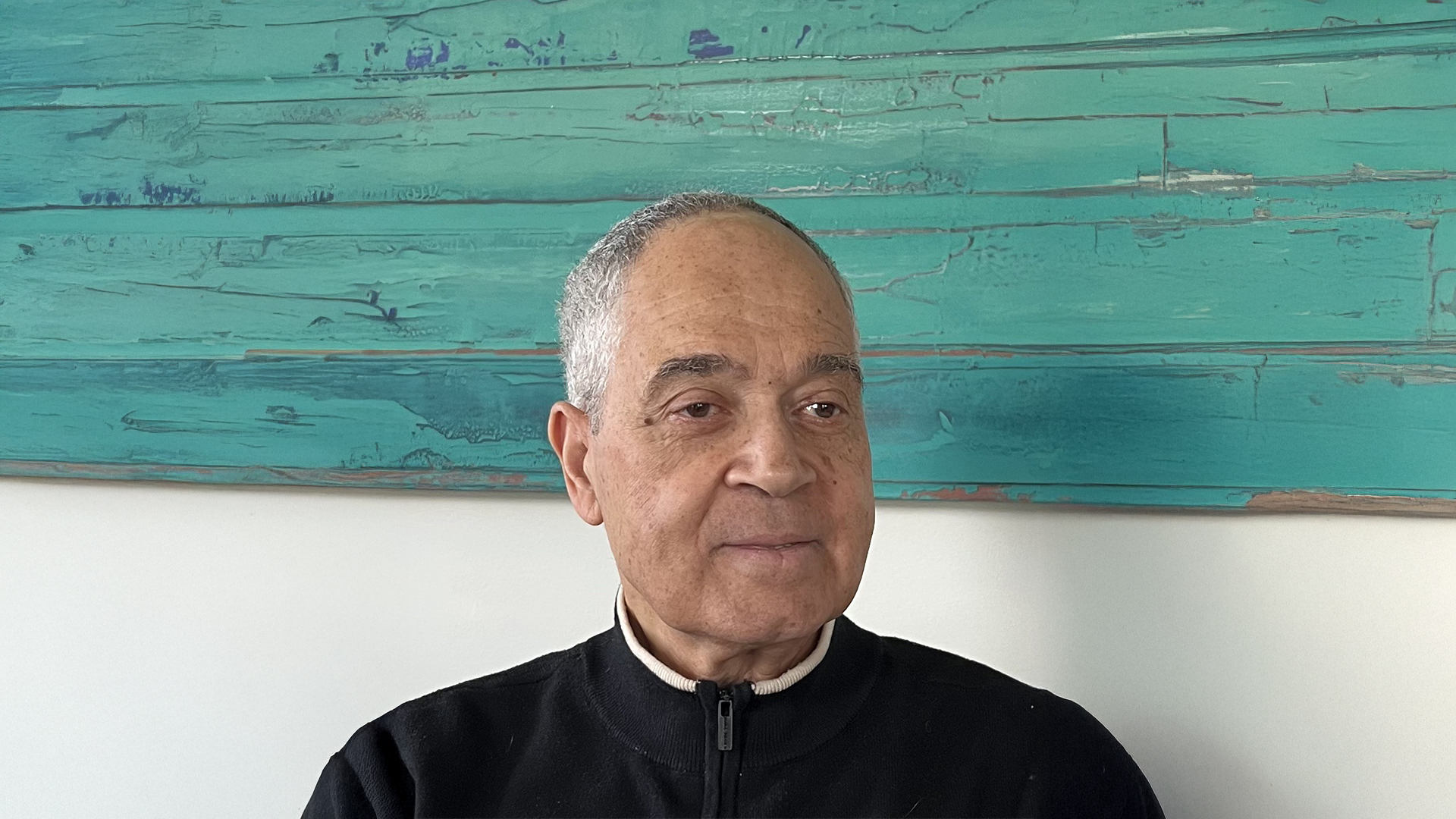

For Tariq Amassyali, Founder and Managing Partner at TowerPatrol, the most expensive mistake leadership teams make in security is a willingness to gamble. “Companies look at security through a formula,” Amassyali says. “What’s the average loss, and how many times will that loss occur before we make a move?” The problem is that the math almost never supports a reactive approach. By the time an organization decides to harden its site, the real damage is already compounding.
Executives often assume security upgrades can wait until after a breach. Amassyali breaks that logic down with stark simplicity. If the average loss per incident is $50,000 and a company tolerates two or three incidents before acting, that’s $150,000 gone. That is assuming the number stays static. “When bad actors know they have the ability to target a site and have a successful breach the first time, the second and third time, the numbers will be staggering,” he says.
By contrast, a proactive solution might cost $10,000 per month, or $120,000 annually. On paper, the delta between prevention and three conservative breaches is only $30,000. Many organizations still hesitate, however. With margins under pressure, leadership teams often “roll the dice and assume that the bad actors will not show up at their site,” Amassyali says. “And that’s a foolish move.”
What that spreadsheet rarely captures are the operational consequences. A company generating $1 million an hour in revenue can’t afford a forced pause. “A single breach that has an interruption in operations can be extremely costly,” he says, emphasizing that the ripple effects stretch far beyond the initial incident.
Moving Security to the Edge
For Amassyali, the shift from reactive to proactive security begins with geography. Traditional systems mount cameras on buildings and rely on fences as outer boundaries. That design assumes the breach will occur and focuses on documentation. Mobile AI-powered surveillance changes the posture entirely. “It brings the security to the edge of the property,” he says. “It meets the bad actors at the boundary line.”
In many cases, detection begins even before individuals reach the fence. These systems establish visible presence while monitoring beyond the perimeter. As individuals approach, alerts trigger automatically and on-site personnel are notified. Bad actors prefer what Amassyali calls soft properties, sites where they can operate without interaction. When a property signals awareness early, the incentive shifts and prevention becomes the primary outcome.
AI Changes the Equation
The practical advantage of AI is consistency. “The system doesn’t take into account any emotions. It’s very black and white,” Amassyali says. If a site is meant to be sterile and activity is detected, the system responds. There’s no fatigue, distraction, or persuasion.
Human guards, by contrast, can be overwhelmed or misdirected. “A guard can be convinced, can be bamboozled, can be distracted,” he says. A decoy on one side of a building can divert attention while the real breach occurs elsewhere. Monitoring screens for 12 hours at a time compounds the challenge. AI doesn’t replace human judgment entirely, but it eliminates variability in detection. It watches for the same behaviors continuously, without lapse. The result is earlier intervention and measurable deterrence.
Measuring Prevention, Not Just Loss
For leaders who want proof their strategy is working, Amassyali advises focusing on attempted breaches versus successful ones. The most telling metric is behavioral change. “You may have individuals approaching a fence line or attempting to break in,” he says. When a mobile surveillance system initiates a talk-down and those individuals stop, turn around, or abandon the attempt, that’s success. The breach never occurs, yet the threat was real.
Tracking how many attempts were detected, how many were deterred, and how many resulted in actual loss provides a clear picture of posture. Even a record of zero successful breaches doesn’t justify complacency. “Know that the bad actors are looking for a way,” Amassyali says. When executives insist their system is good enough, he proposes a simple test: stage a mock breach. “Allow us to put our team together for an attempted breach and see what that looks like,” he says. If the system catches it, confidence is earned. If not, vulnerability is exposed without real-world consequences.
Hardening the Site Before It Hurts
TowerPatrol’s framework centers on four principles: detect, deter, delay, and defend. Detection begins at approach; deterrence comes through visible presence and real-time communication; delay forces hesitation; and defense activates sirens, floodlights, and spotlights to redirect activity elsewhere.
“Our main objective is to harden the site and push the bad actors to soft sites,” Amassyali says. The role of intelligent surveillance is prevention and evidence, not pursuit; apprehension belongs to law enforcement. The calculus is clear: waiting doesn’t reduce risk. It multiplies it. The question isn’t whether a breach will happen, but how many leaders are willing to absorb before deciding prevention was the cheaper strategy all along.
Follow Tariq Amassyali on LinkedIn for more insights.