
Most organizations are not underperforming because their strategy is wrong or their people are incapable. They are underperforming because talented teams, sophisticated systems, and sound strategies operate as disconnected units rather than as a unified organism. The enterprise has the potential. It lacks coherence.
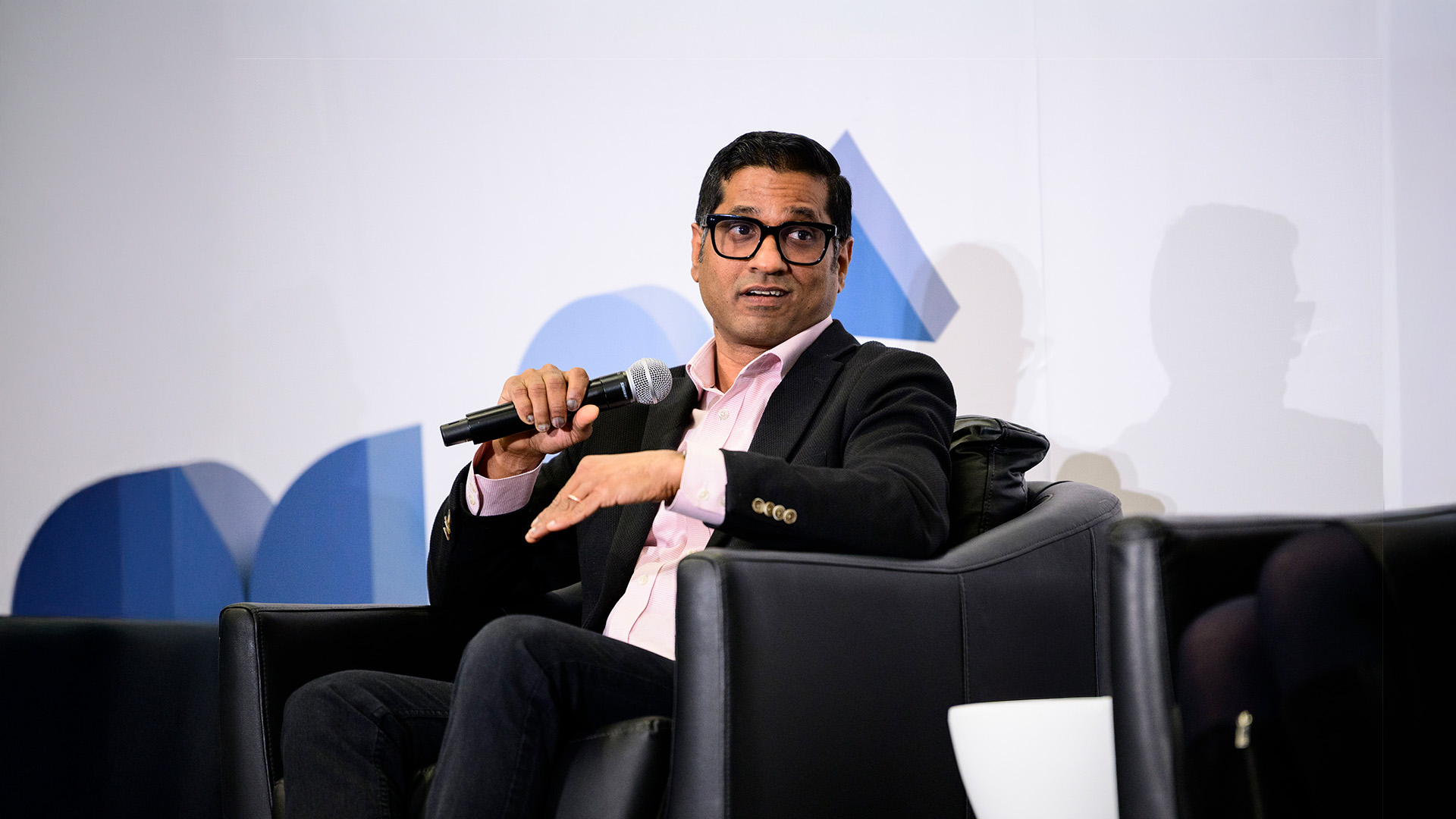
Clark Morey, a strategic alignment leader and Director of Enterprise Solutions at Brightspot, has spent his career bridging the gap between what organizations are capable of and what fragmentation is costing them. “Busy teams create motion,” Morey states plainly. “Aligned teams create movement.”
Alignment Has Observable Signs. Most Leaders Are Not Looking for Them
The threshold between a fragmented organization and an aligned one is subtle at first. It does not announce itself. It builds gradually, through small shifts that compound into something unmistakable. Morey identifies four observable signals that an organization has crossed that threshold:
- Teams stop debating the problem and start collaborating to solve it.
- Decisions become more predictable because everyone is applying the same criteria.
- Work moves with less translation and fewer handoffs, generating genuine efficiency.
- Meetings get shorter, rework decreases, and momentum becomes the norm rather than the exception.
The diagnostic problem is that most leaders are also missing the early warning signs that alignment is slipping. Busy teams and aligned teams can look identical from a distance; both are producing activity, filling calendars, and generating output. Busy teams discuss tasks. Aligned teams discuss progress. If different functions describe the same opportunity in different ways, alignment is eroding. Slow decisions are one of the easiest indicators of fragmentation; if an organization cannot decide, it is not aligned. Rework patterns, where teams redo work because upstream context changed or leadership shifted perspective, signal drift rather than diligence. “Leaders who watch these signals catch misalignment before it becomes too expensive,” Morey reflects. The cost of catching it early is a conversation. The cost of catching it late is a quarter poorly spent.
Momentum Is Lost in the Seams, Not the Market
The most common misconception about organizational momentum is that it is lost to external pressure, competitive dynamics, market shifts, and economic headwinds. Morey pushes back on that consistently. Momentum is lost internally, in the seams between departments that have been siloed beyond the point of functional coordination.
He identifies four specific breakdown points:
- Institutional knowledge that lives in documents rather than systems never compounds; insights get generated and then forgotten rather than building on each other.
- Functions that optimize for their own metrics rather than shared outcomes create disconnected operating rhythms that look productive in isolation and underperform collectively.
- Slow experimentation cycles mean that by the time a test is approved, the window of opportunity has already started to close.
- Competing data narratives, where everyone has data, but nobody shares the same story, are, in Morey’s view, the most pervasive and costly problem he encounters.
“Momentum isn’t lost in the market,” he insists. “It’s lost in the handoffs between silos.”
Simplification Takes More Courage Than Scaling
The hardest leadership call in the alignment conversation is not building something new. It is retiring something old. Stopping funding for initiatives that create activity but not advantage. Rejecting complexity that arrives dressed as innovation. Protecting strategic focus against the constant pull of competing internal priorities. These decisions require a leader to confront the gap between what once mattered and what the enterprise actually needs to move forward, and that confrontation is not technical. It is a leadership identity test.
If a leader cannot explain their strategy to a stakeholder in one minute, it is too complicated. Clarity always costs something. Confusion, eventually, costs far more. The leaders who will be measured most meaningfully in the years ahead are not those who built the most sophisticated systems or scaled the most aggressively. They are the ones who made alignment measurable, repeatable, and felt across the entire enterprise. By doing so, translating clarity into coordinated action, and coordinated action into durable momentum that persists even as priorities shift.
Follow Clark Morey on LinkedIn for more insights on strategic alignment, organizational coherence, and building enterprises that move as unified systems.