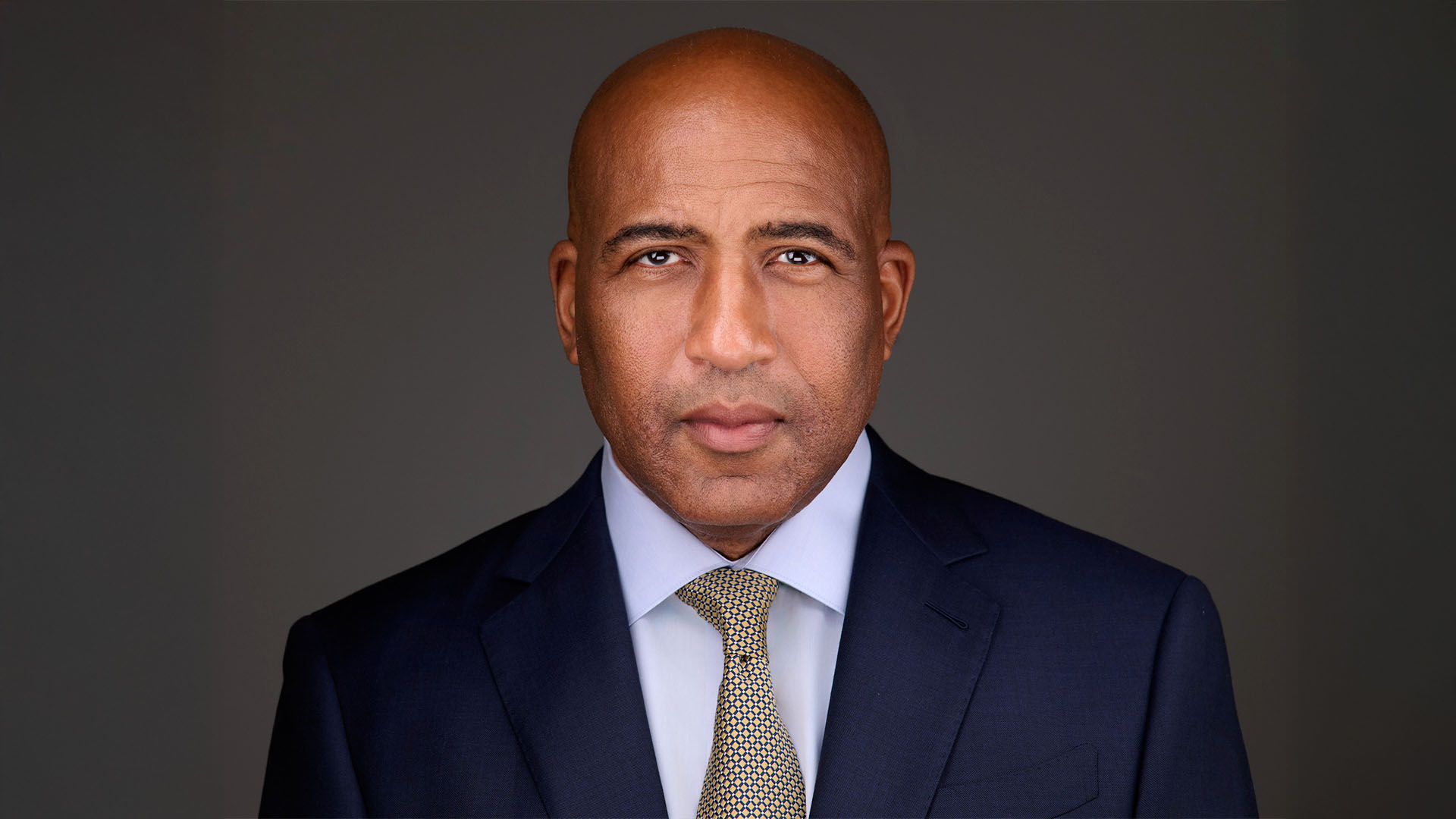

Most financial leaders talk about managing volatility. Those who actually navigate it are well prepared for it. Greg Talcott, a financial leader whose career began two weeks before the NASDAQ bubble burst in 2000, has spent over two decades thinking about markets through that lens. The 2022 interest rate spike exposed a generation of managers who had never experienced a real downturn and had no framework for one when it hit. “Those who came into business without any experience in a downturn never even gave it a second thought,” Talcott says. “Every year, it’s just going to go up like a hockey stick. And they got caught.”
The Planning Failure That Makes Everything Worse
The most common mistake financial leaders make during volatility is not making a bad decision under pressure. It is the absence of any decision made before the pressure arrived. Talcott is direct about this, citing Mike Tyson: everyone has a plan until they get punched in the mouth, but it is still better to have a plan and get hit than to have no plan at all.
The failure is forecasting. Managers who entered the market during the post-financial-crisis recovery rode a decade of expansion without ever building a probability framework for contraction. When interest rates spiked in 2022 from multi-decade lows, a direction that, in hindsight, should have been anticipated, they had no model for what it meant for their balance sheet, their assets, or their investors.
Reactive decisions followed, and reactive decisions made with someone else’s capital in a falling market produce predictable outcomes. “Absent that plan, you end up making reactionary decisions based on emotion,” Talcott says. “And that is a recipe for disaster.” The practical implication is the asset management discipline that most managers resist until it is too late. Assets that underperform in strong markets will perform exponentially worse in a downturn. Cutting them early is the rational move. Holding them in the hope of recovery and selling at a steep discount later is the emotional one. Knowing when to take a loss is not a failure of conviction. It is a core competency of experienced financial leadership.
Dry Powder Is a Strategy, Not Caution
Staying opportunistic during market uncertainty requires preparation that most managers defer until conditions look favorable, at which point the opportunity has already narrowed. Talcott’s framework is straightforward: good managers always maintain dry powder, whether for liquidity needs or opportunistic acquisitions when valuations fall. Managers who entered 2022 over-leveraged with no reserves did not just miss opportunities. They spent the downturn trying to survive it, losing assets, staff, and investor confidence in the process. “If you’re over-leveraged, you’re just going to white-knuckle it through that entire period,” Talcott says. The discipline of maintaining reserves feels like leaving returns on the table during expansion. It is what allows a manager to act when others cannot.
Communication Is the Asset Most Leaders Undervalue
Credibility built during strong markets is the most valuable resource a financial leader carries into a downturn. It erodes quickly and is almost impossible to rebuild while performance is declining. Talcott’s approach to communication during volatile periods is structured around two principles: consistency and transparency. Internally, communication needs to be consistent and timely, with a clear cadence that the entire organization understands. When projections made 30 or 60 days prior have not materialized, leadership has to say so clearly, explain why, and articulate what is being done. Organizations where no game plans ever come to fruition without an honest explanation lose credibility fast.
With investors, the standard is even higher. Maximum transparency means not anchoring communications to best-case scenarios, not waiting until a loss is definite to disclose it, and not allowing investor sentiment to deteriorate quietly while leadership manages its own anxiety. “If that investor confidence is positive going into a downturn, you need to keep it going,” Talcott says. “If it is already negative, you have significant catch-up to do.” Entering a volatile market with credibility intact is a strategic asset. Entering it without credibility is a compounding liability.
Follow Greg Talcott on LinkedIn for more insights on financial leadership, capital preservation, and decision-making during market volatility.