Leaders promoted into senior roles often got there by being exceptional problem solvers. They were fast, effective, and reliable under pressure, and those qualities earned them advancement. The problem is that the habits that made them outstanding individual contributors are precisely the habits that limit them as leaders. They stay reactive and keep solving problems rather than building systems that prevent them.
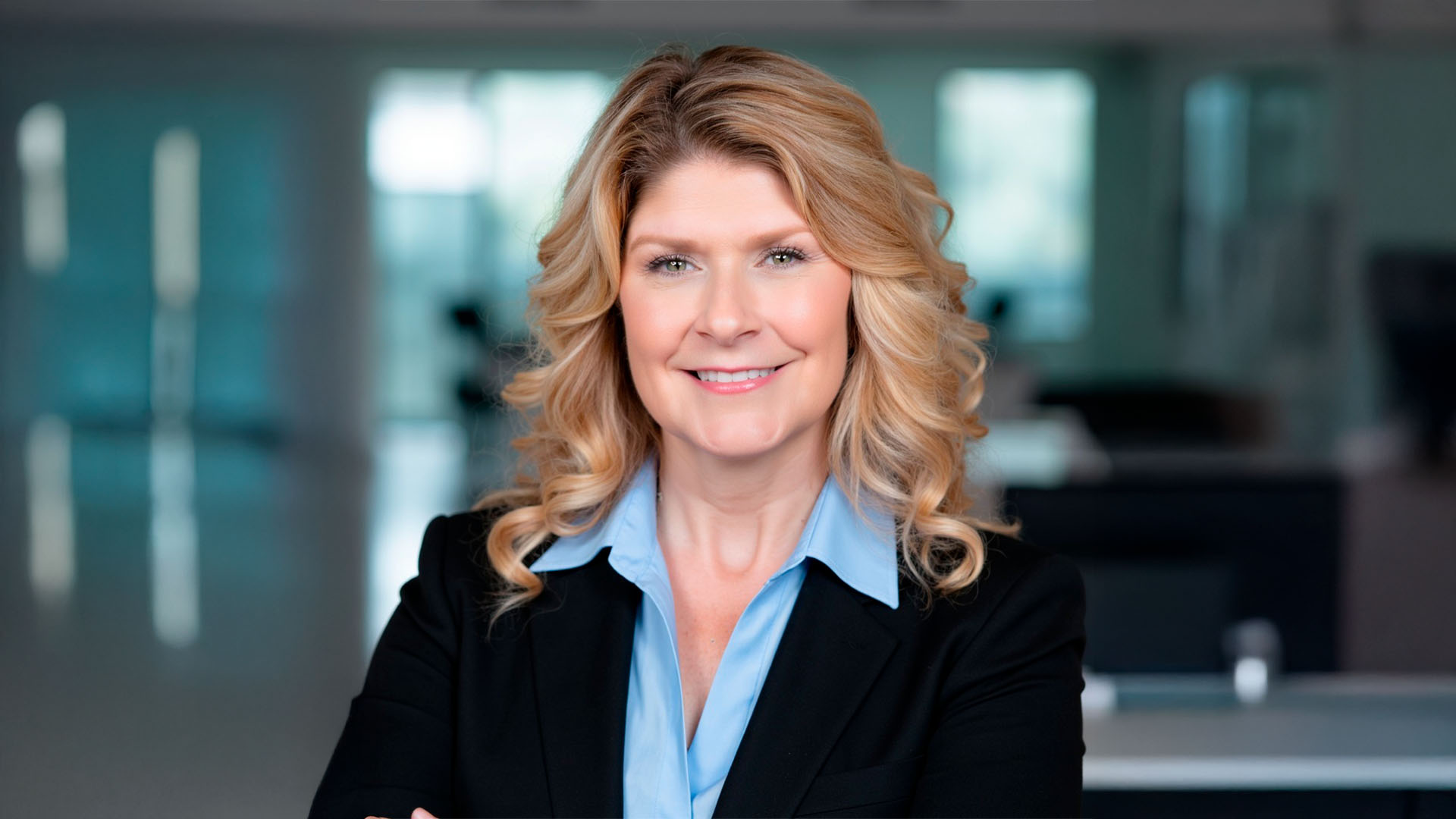
Sarah M. Tinsley, a seasoned people and operations executive with experience across healthcare and multi-site organizations, has spent her career studying what separates leaders who perform well from those who build organizations that perform without them. “Organizations usually fail slowly before they fail visibly,” Tinsley observes. “By the time the problem becomes obvious, it’s often been developing for a long time.”
Build Systems That Surface Problems Early
The single operational habit Tinsley identifies in great leaders is the creation of rhythms that make friction, risk, and misalignment visible before they add up to failures. These include regular meetings with real accountability, clear escalation paths, and tight feedback loops with genuine follow-through. These are not administrative exercises; they are the early warning systems that give leaders time to course-correct before a developing problem becomes a public one.
Good leaders are often strong problem solvers operating in reactive mode. Great leaders build structures that reduce the frequency with which reactive problem-solving is required. The difference comes down to a mental shift that many promoted leaders never make: from being the person who gets things done to being the person who creates the conditions for others to get things done. The goal is not perfection. It is visibility and fast course correction.
Culture Is Infrastructure: Name It, Measure It, Celebrate It
Whatever an organization says it values must be visible in how it actually operates, or the stated value is fiction. If collaboration matters, it should show up in shared goals, cross-functional meetings, and recognition systems that reward team success rather than individual heroics. If innovation matters, leaders must create a protected space for experimentation and, critically, must not punish every mistake, because the fear of failure is what kills the behavior they claim to want.
At DaVita, where Tinsley worked earlier in her career, values were embedded into performance reviews, recognition systems, leadership expectations, and rewards. She received low scores on ‘fun’, a company value, which prompted a deliberate response. She appointed a team member as a fun champion, creating ownership and accountability around a value that could easily have remained abstract. That team member was later nominated for and won an award. The lesson Tinsley draws from it is to take a value and operationalize it through three specific actions: name it with clarity, measure it, and celebrate it. Anything less is branding.
AI Should Create More Human Moments, Not Fewer
As AI handles more technical and administrative work, the risk Tinsley identifies is not that leaders will become less efficient. It is that they will use that recovered time to generate more polished, AI-assisted communication rather than a more genuine human connection. The performance issue, the personal challenge, the recognition of years of service, the conversation that rebuilds trust after a difficult situation, none of these belong to AI. They belong to the leader, and they require the kind of imperfect, unpolished authenticity that people are increasingly able to detect as absent in AI-generated content.
Tinsley’s framework is to identify which tasks genuinely do not require human connection and delegate those to AI. Protect the moments that do. The leaders who distinguish themselves over the next several years will not be the ones who use AI most extensively. They will be the ones who use it selectively enough to appear unmistakably human in the moments that actually build trust, commitment, and culture.
Starting each day with intention rather than reacting to whatever is loudest, investing consistently in one-on-ones and feedback sessions, creating dedicated space for continuous learning – these are not soft habits. They are the operational discipline that compounds into the kind of leadership that holds together when the leader is not in the room.
Follow Sarah M. Tinsley on LinkedIn for more insights on operational leadership, people strategy, and building the organizational habits that separate good leaders from great ones.