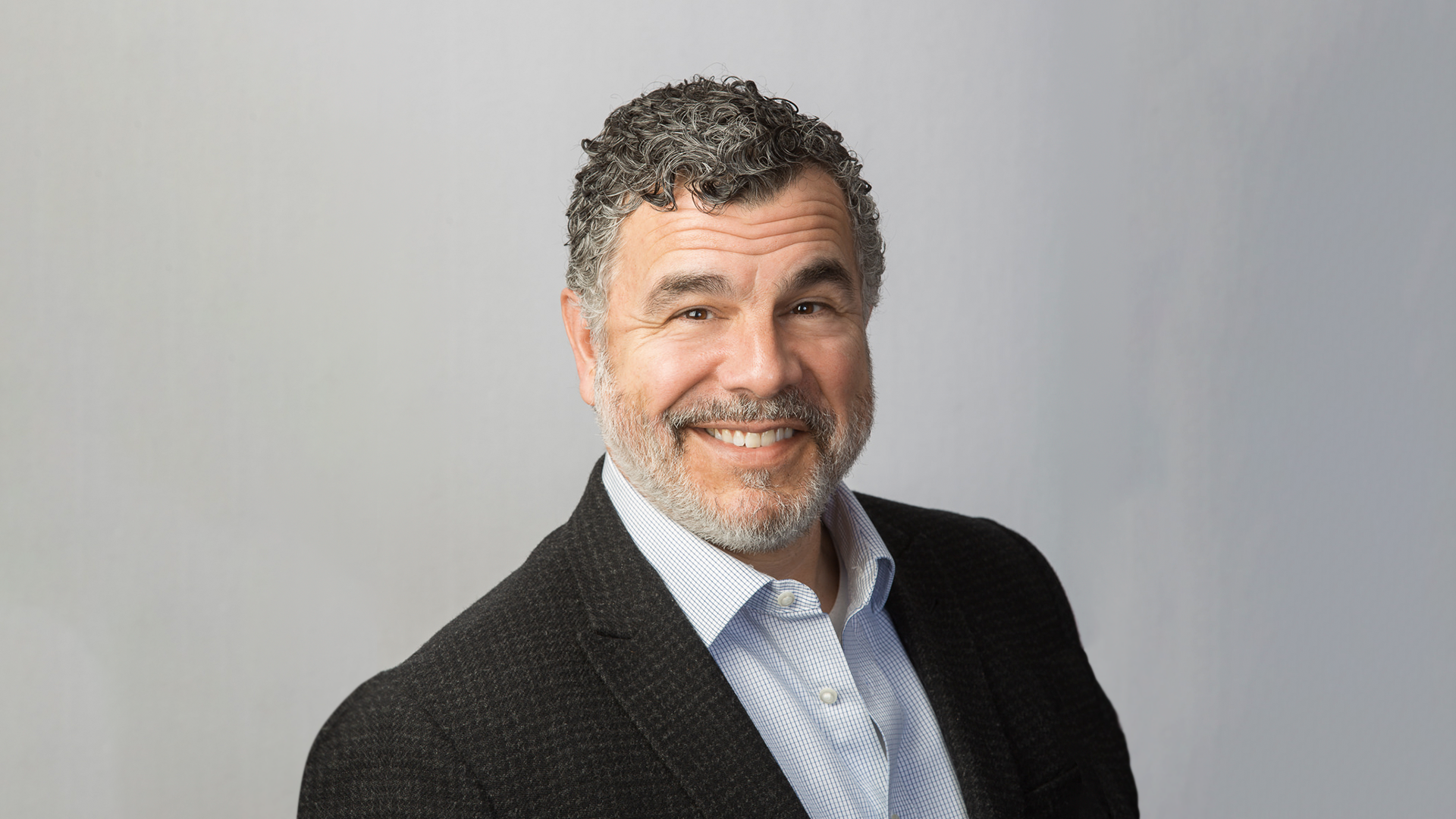

In most large nonprofit and health institutions, fundraising sits inside the organizational chart as a department with a revenue target, and that placement is exactly where the trouble starts. A chief development officer (CDO) learns about a new strategic priority at the same moment they are asked to fund it. A chief executive officer (CEO) sees a quarterly total and almost nothing about which donors are moving, which are cooling, and why. Bettina Alonso, a chief development officer who has spent her career at the intersection of executive strategy and philanthropy, argues that this is not a personality problem or a communication style problem. It is a structural one, and the institutions that fix the structure are the ones that will survive a period of funding volatility with their revenue base intact.
The Disconnect Shows Up In Sequencing, Not Arguments
The failure Bettina describes is rarely loud. “Fundraisers may be included only after strategic decisions have been made, limiting their ability to identify realistic philanthropic opportunities,” she says. That single sequencing error does more damage than any disagreement over strategy, because by the time the development team is in the room, the shape of the project is fixed. What a donor might actually fund, and how a case for support could have been built, is no longer a live question. The team is left to market a decision rather than help inform one.
The information flow breaks in both directions. Fundraisers often lack timely access to leadership, program information, or the experts who bring the mission to life, which means they arrive at donor conversations underarmed. Executives, meanwhile, hear how much was raised but receive little insight into donor interests or emerging opportunities. Bettina’s conclusion is blunt about the cost: fundraising ends up operating “as a separate department rather than an organization-wide growth strategy.” Institutions that accept that arrangement have effectively decided to grow at the pace of one department’s capacity rather than the pace of their own ambition.
Each Side Misreads The Other’s Constraints
The misunderstanding goes both ways, which is why blame rarely resolves it. Fundraisers, Bettina notes, “sometimes underestimate how many competing priorities executives must balance, from operations and finances to workforce challenges and organizational risk.” That gap explains a familiar internal friction: a development team dismisses a project as unfundable when leadership sees it as structurally essential to the institution’s broader strategy. The project is not being pushed because it is easy to sell. It is being pushed because the institution cannot function without it.
Executives make the mirror error about time. “Major gifts never result from a single meeting or proposal,” Bettina says. “They depend on trust, cultivation, credible projects, and consistent leadership engagement.” Treating fundraising as a transaction that can be triggered on demand produces the pattern every development officer recognizes, an urgent funding need handed over with an unrealistic timeline attached. Bettina’s framing is that both errors stem from the same misconception. Fundraising is “neither an isolated department nor a quick transaction,” but a long-term growth strategy that only works as a partnership. That has a practical implication leaders tend to resist: the CEO has to make sure development has a seat at the table from the beginning.
Governance And Routine Do The Work That Goodwill Cannot
Bettina is specific about the structural fix. “The most effective change is giving the chief development officer a consistent role in executive-level strategy and decision-making,” she says, which is the substantive reason most CDOs report directly to the CEO or president rather than a cosmetic one. Early visibility into institutional priorities, not an invitation once funding is required, is the whole point of that reporting line. She pairs it with governance discipline: agreed fundraising priorities, defined roles for executives and board members, and pipeline reviews built around strategy rather than revenue totals. In large institutions, physician or program-leader engagement structures can connect mission, operations, and philanthropy in a way no memo achieves.
The routines matter more than the sophistication of the system. “Consistency matters more than complexity,” Bettina says. A brief weekly CEO and CDO check-in, regular prospect and pipeline reviews, and joint planning around institutional priorities prevent most misalignment, provided those conversations cover donor feedback, emerging opportunities, leadership involvement, potential risks, and decisions needed. Under pressure, the instinct is to cut the meeting. Bettina argues for the opposite: “When pressure rises, communication must become more disciplined, not less frequent.” Trust is protected when fundraisers avoid overpromising and executives stay engaged, and candid check-ins keep urgency from curdling into blame. Where trust has already broken, she prescribes an honest conversation focused on facts rather than blame, a clear separation of genuine performance issues from unrealistic assumptions about fundraising timelines, a small set of agreed priorities, and defined responsibilities. The aim, she says, “is not to avoid disagreement, but to create a partnership in which concerns can be raised early and addressed constructively.”
Chemistry gets a CEO and a development leader through the first six months. Trust is what carries the relationship, and Bettina explains why the stakes are higher than internal harmony: fundraisers represent the organization, and often its leadership, inside highly personal donor relationships. They need confidence that executives will follow through, while executives need confidence that fundraisers will exercise sound judgment and protect the institution’s reputation. Some of the most rewarding relationships of her career, she says, began with candid conversations with CEOs and presidents about their discomfort with asking for money, and with coaching them toward a more confident, authentic approach. The payoff is a leader who moves past the transaction and values the donor for their commitment to the mission, their experience, and their perspective, not only their gift. As donor behavior and funding models shift, the institutions best positioned to adapt will be the ones where development and executive leadership already trust each other enough to disagree early.
Follow Bettina Alonso on LinkedIn for more insights on philanthropy strategy, development leadership, and executive partnership in large institutions.