
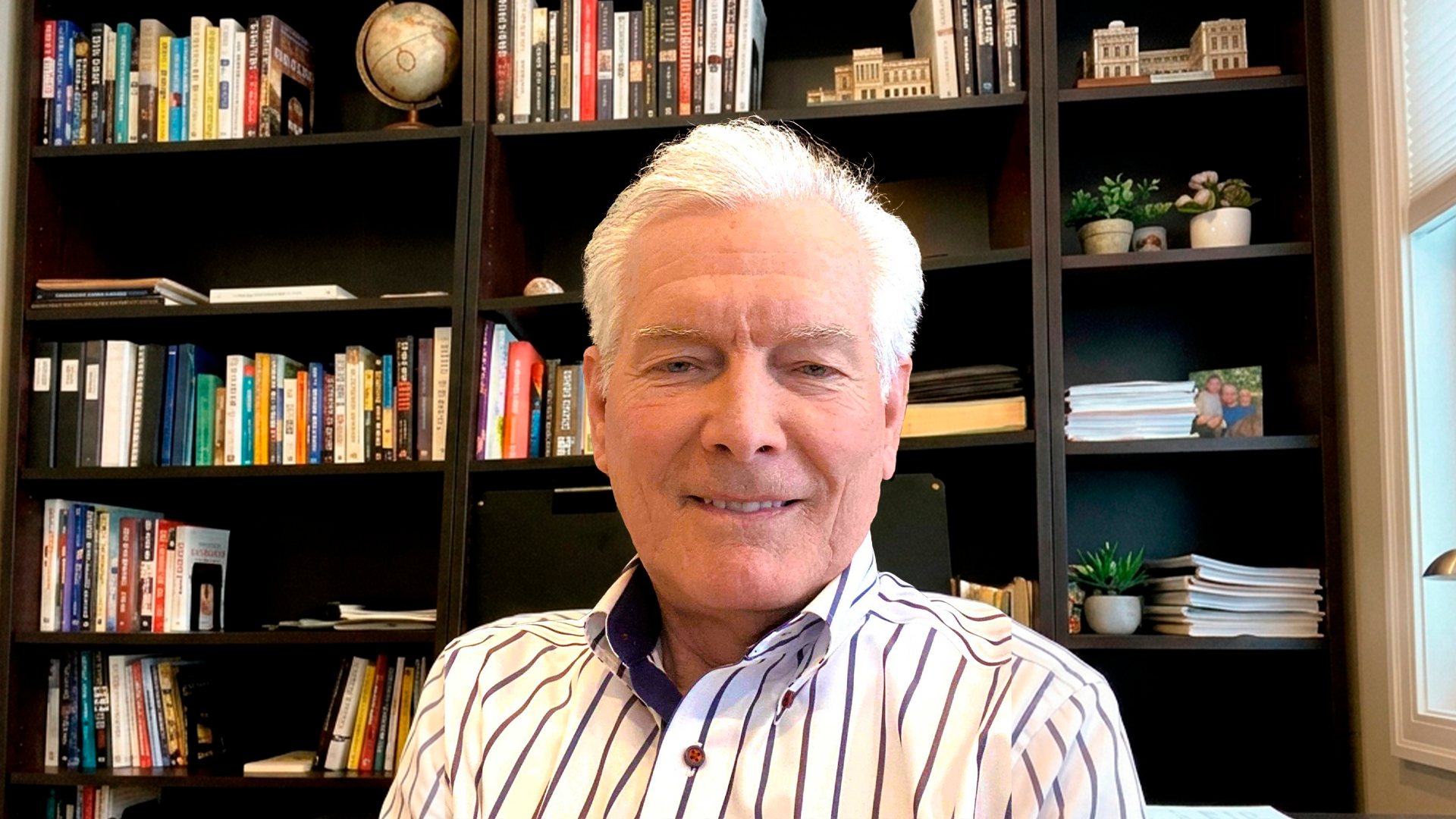
The most effective medical educators shape understanding, build confidence, and empower clinicians to apply knowledge in practice. As medical education continues to evolve across specialties and geographies, developing presenters who can communicate complex science with clarity has become just as important as the science itself. For Richard “Rick” Davis, President and Chief Executive Officer of Arbor Scientia, that distinction lies at the heart of effective medical education.
What is the benchmark of excellence? “A presenter that works to serve the audience to accelerate their learning and understanding; and who knows and is adept at employing tools and techniques to do so,” says Davis. His approach combines communication science, adult learning, audience psychology, and narrative structure to transform subject matter experts into educators who influence clinical practice and ultimately impact patient quality of care.
Presentation Is About Learning, Not Delivering Information
One of the biggest misconceptions in medical education is that expertise naturally translates into effective teaching. Davis argues that many presentations focus on transmitting information rather than helping audiences process and retain it. He points to a familiar scenario: a complex graph filled with multiple data sets appearing all at once on a screen, while the presenter immediately begins explaining every detail. Although factually accurate, the approach ignores how adults actually learn. Davis advocates building information progressively, giving audiences time to process individual pieces of information before connecting them together. More importantly, presenters should encourage active participation.
“So now that you’ve had a chance to look at it, what are some of the things that seem to jump off the page at you?” he suggests asking audiences. “Every time they make the audience think for themselves, that’s building the audience’s neural connections.” This philosophy reflects the growing importance of applying adult learning to medical education, where engagement often matters as much as expertise. Rather than simply delivering information, exceptional educators create moments where clinicians actively construct understanding, improving both retention and real-world application.
Identifying Tomorrow’s Medical Education Leaders
Mentoring emerging medical educators begins long before someone steps onto a conference stage. Davis evaluates potential through a framework he calls PREFACE, an acronym that highlights the qualities shared by outstanding presenters:
· Preparedness demonstrates commitment.
· Reading nonverbal communication reveals emotional intelligence.
· Energy reflects genuine enthusiasm for teaching.
· Focus distinguishes educators who concentrate on audience needs rather than what’s convenient for them.
· Authenticity builds credibility almost instantly.
· Communicating effectively goes beyond simply presenting facts.
· Encouraging dialogue uses questions, stories, and examples to engage the audience.
Together, these characteristics reveal individuals capable of speaker development, long-term growth and the potential to be tomorrow’s most sought after educators. Technical knowledge remains essential, but Davis believes future educators distinguish themselves through their ability to connect with audiences on both intellectual and human levels.
That perspective has shaped his work training clinicians across specialties, from physician assistants and nurse practitioners to general practitioners, neurologists, and psychiatrists, . Regardless of discipline, the underlying principles remain remarkably consistent.
Building Skilled Presenters Through Deliberate Coaching
How to develop skilled presenters is not a matter of polishing delivery alone. Davis begins by understanding each individual’s natural communication style before identifying opportunities for meaningful improvement. From there, the foundation expands into the science behind effective communication. Participants learn how personality influences interactions, how adults absorb information, and how communication science improves medical training. Practice follows theory, with repeated opportunities to refine techniques through structured feedback.
The process mirrors the principles of presentation coaching and executive coaching, emphasizing continuous improvement rather than quick fixes. Technology, including artificial intelligence (AI), is beginning to support this work, although Davis views it as an enhancement rather than a replacement for human mentorship. “It’s incredibly important to have a connection with the individuals you coach. AI can reinforce learning, provide additional practice, and extend coaching beyond formal sessions. However, the interpersonal relationship remains central to optimizing the speakers develop of confidence, authenticity, and lasting communication skills.
The Presentation Plan That Changes Everything
When asked to identify the single most important skill emerging educators should master, Davis arrives at a surprisingly practical answer: planning. “I think probably the one thing that would help somebody significantly, not just make an incremental improvement, but significantly improve their presentation and communication skills, would be to actually plan them.”
Davis encourages presenters to begin with the desired outcome. What should the audience understand, remember, and feel confident applying after the session ends? Working backward from that objective shapes every communication decision, from audience engagement to visual design, pacing, storytelling, transitions, opening and of course closing. This deliberate structure enables presenters to build confidence while guiding audiences through increasingly complex information.
The approach reinforces why presentation skills matter in medicine. Scientific accuracy remains essential, but educational impact depends on how information is organized and delivered. Thoughtful preparation demonstrates respect for the audience while dramatically improving learning outcomes. Every audience is asking three questions: “Do you care about me? Can you help me? And can I trust you?” A well-designed presentation plan begins answering all three before the first slide ever hits the screen.
As organizations continue building evidence-based educational programs, the demand for educators who combine scientific expertise with exceptional communication will only increase. Coaching healthcare leaders to communicate effectively is no longer an optional professional skill but a defining characteristic of thought leadership and the future of global medical education. Davis’s work demonstrates that grooming the next generation of presenters begins not with better slides, but with a deeper understanding of how people connect think and learn,
Follow Richard “Rick” Davis on LinkedIn or visit his website for more insights on medical education, presentation excellence, and developing healthcare leaders who communicate with clarity and impact.