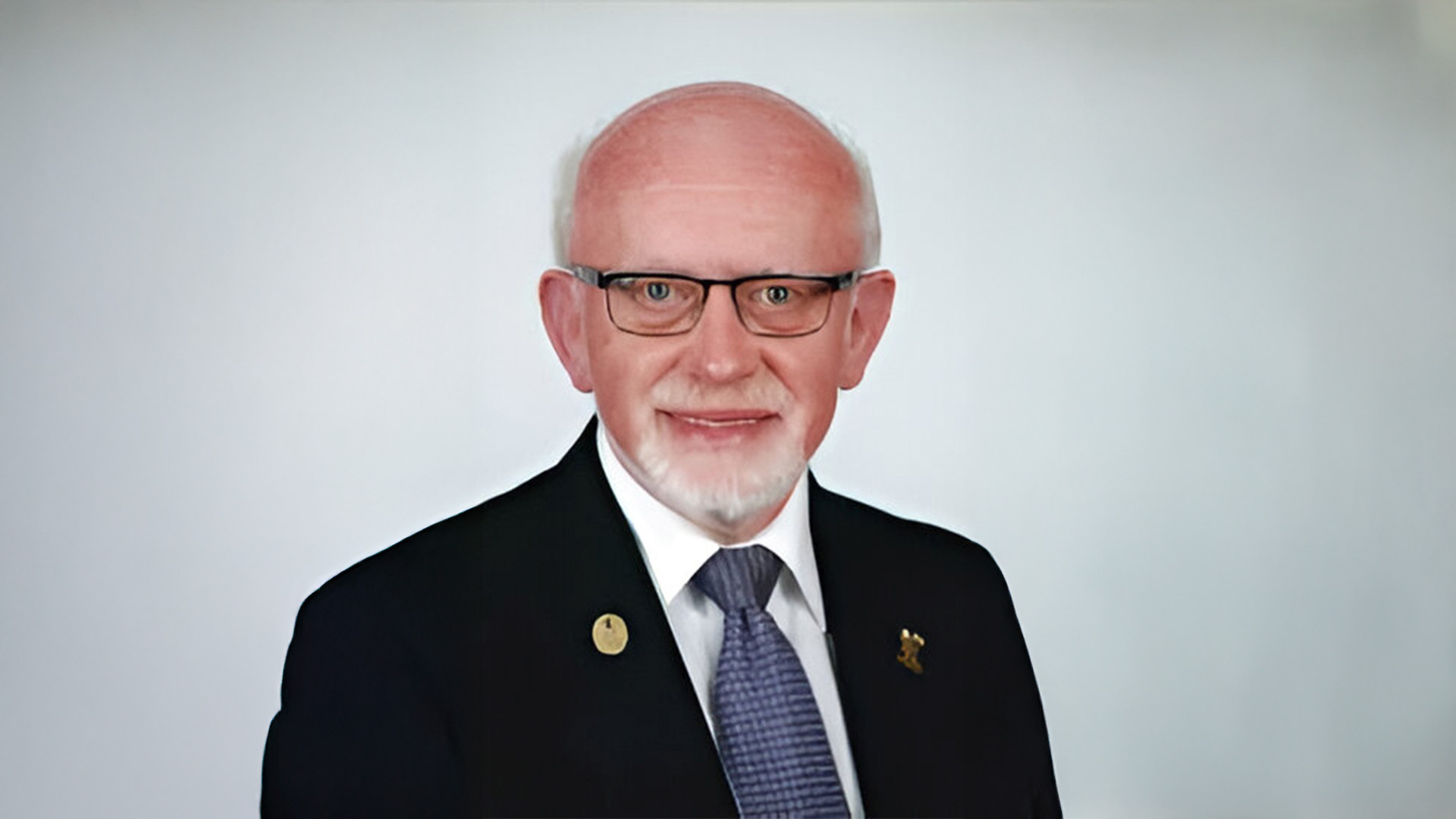

Empowerment can sound like a contradiction for leaders facing pressure. For Alan David Rudolph, Board Advisor at numerous private equity firms, the answer is not to give people unlimited autonomy, but to give them clarity. “Under pressure, people don’t need more freedom. They need to know exactly where the walls are,” Rudolph says. His approach to leadership culture centers on creating the guardrails, processes, and communication structures that allow people to make decisions confidently without sending every question to the chief executive officer (CEO).
Empowerment Starts With Clear Boundaries
Rudolph’s view of empowered teams begins with a distinction between autonomy and accountability. Under financial pressure, leaders should define what teams can decide independently and what needs to be escalated, including when to spend, stop, or change course.
Without those boundaries, decision-making quickly becomes centralized. Rudolph saw this firsthand at Conga, where the company had grown to roughly $150 million in revenue with more than 1,000 employees globally. “You can’t control decisions at the CEO level,” he says. Structure, guidelines, and rules become essential as organizations scale. When employees understand the limits of their authority, they spend less time waiting for approval and more time executing. Empowerment becomes a product of operational discipline rather than the absence of structure.
One Global Team, Not Separate Organizations
That principle extends to global delivery models. Rudolph rejects language that divides teams into “offshore” and “onshore,” arguing that those labels can immediately create assumptions about cost and quality, and preferring to use the concept of centers of excellence. The objective is a single customer organization with consistent training, career paths, leadership standards, and expectations across locations.
“It’s one global team working together,” Rudolph says. Treating a location as a lower-cost version of the organization can undermine both employee morale and customer confidence. A stronger model invests across geographies and gives leaders in different locations genuine responsibility.
That includes developing leaders within centers of excellence, even when differences in compensation or location might initially make the structure seem unconventional. The goal is to build an integrated organization where people are measured by their contribution rather than where they sit.
Process Before Cost
The same logic shapes Rudolph’s approach to operational efficiency. His principle is straightforward: process comes before cost. “When I’ve been involved in acquisitions, the first piece of integration work we focus on is the new organizational structure: What does the new org chart look like?” he says. Before reducing headcount or cutting expenses, leaders need to determine how the business should operate after transformation.
“Cost is an outcome of process. If you treat it as an input, you get it wrong.” The distinction is particularly important during acquisitions, when overlapping teams and customers can create pressure for rapid cost reductions. Designing the future operating model first allows leaders to identify genuine duplication, and protect the people and capabilities required for the business to perform.
Culture Shows Up in Behavior
For Rudolph, leadership culture is ultimately visible in behavior, not just employee surveys. He watches where attrition begins, how often management positions are filled internally, how quickly bad news reaches leadership and whether customer escalations arrive as expected events or unpleasant surprises. “Healthy cultures surface those milestones immediately,” he says. A deteriorating culture often allows problems to travel upward slowly, only becoming visible during formal reviews.
Regular communication becomes a core leadership responsibility. Rudolph holds one-on-ones with his leaders, conducts skip-level conversations, and brings teams together for structured all-hands meetings six to eight times a year. Those meetings combine business updates, training, recognition, and discussion of new products or capabilities. This creates a culture where transparency and accountability reinforce each other. Employees know what is happening, understand how their work connects to the operating model, and have the confidence to raise issues before they become crises.
The Leadership Discipline Behind Empowered Teams
For technology companies managing growth, transformation or financial pressure, empowerment is less about loosening control than building an environment where control does not have to sit with one person. Clear guardrails, consistent processes, and regular communication allow leaders to distribute decision-making without sacrificing accountability.
Rudolph’s 25-plus years in enterprise technology leadership have reinforced a simple principle: strong teams do not emerge from freedom alone. They emerge when people understand the strategy, know what is expected of them, and have the authority to act.